

 Español
 Deutsch
 عربى
عربى
Flap Wheel Manufacturers
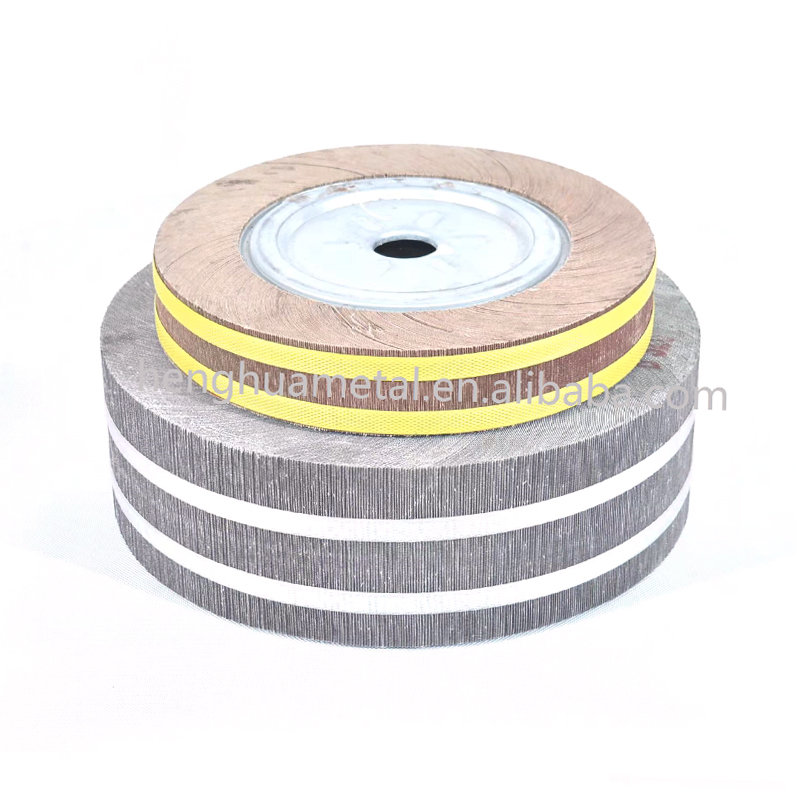
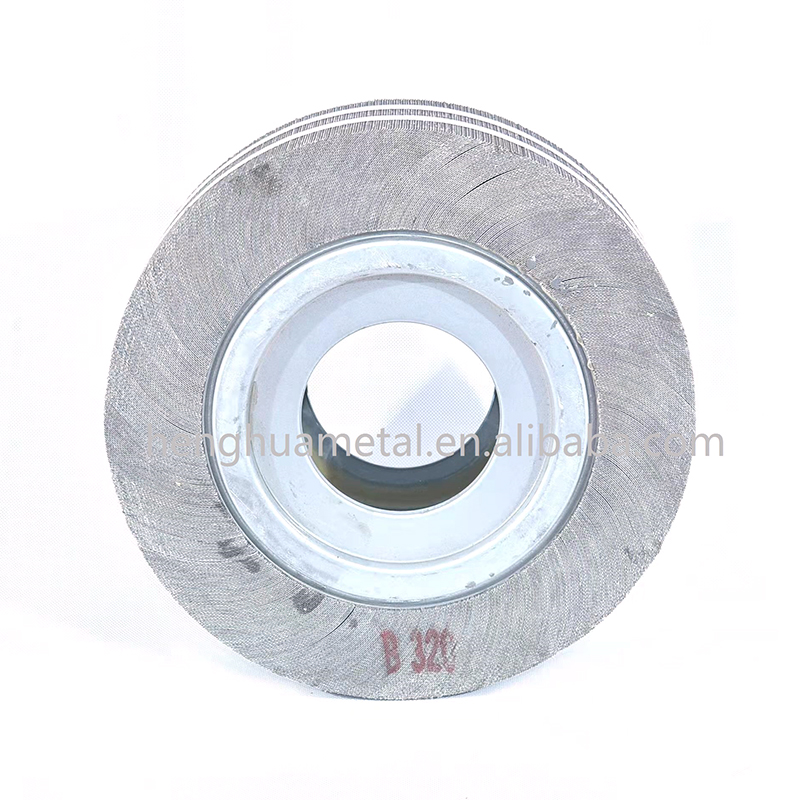
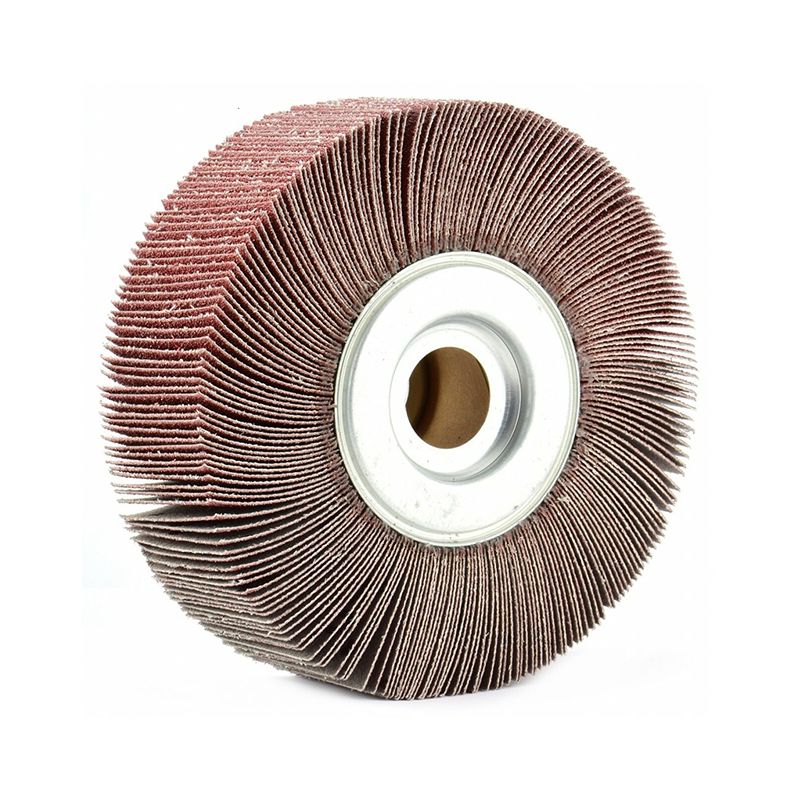
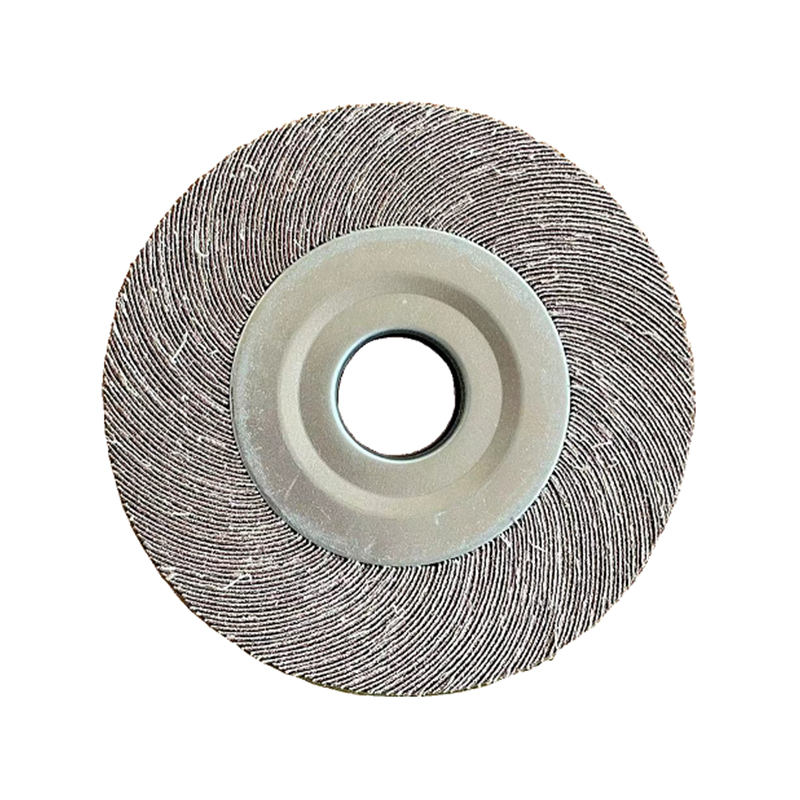
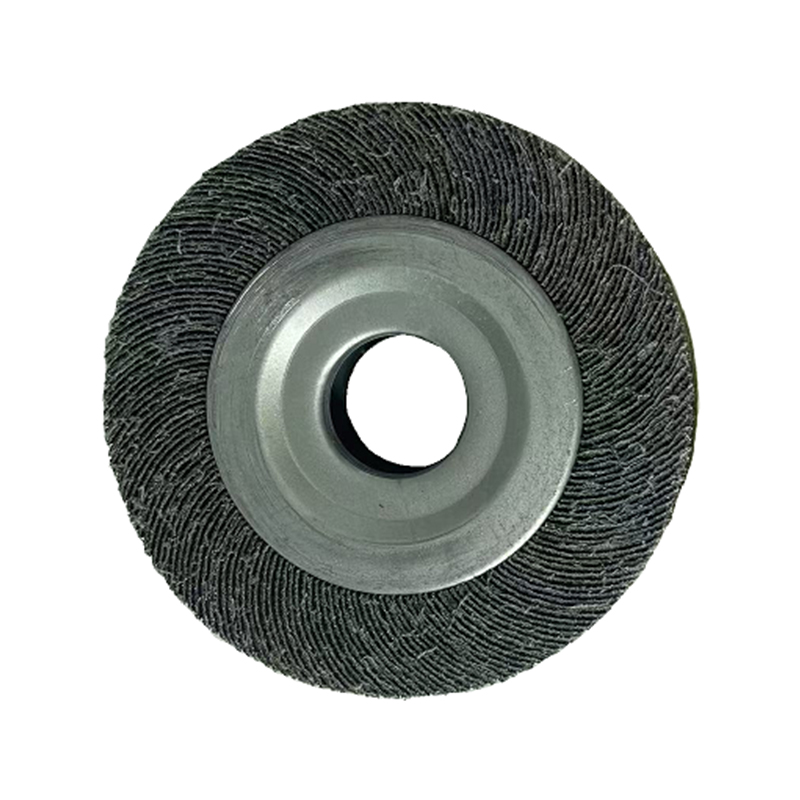
The flap wheel is made of high-quality alumina, silicon carbide, or zirconium corundum abrasive cloth arranged radially. This unique structure ensures that the abrasive cloth is consumed synchronously during grinding, constantly exposing new sharp abrasive grains, thus providing constant cutting force and achieving excellent surface finish.
I. Core Applications: Compatible with angle grinders/grinding machines for grinding, polishing, deburring, rust removal, and weld treatment of metal/non-metal workpieces. Suitable for hardware, machinery, sheet metal, building materials, stone, and other industries.
II. Core Advantages: Excellent self-sharpening properties, high grinding efficiency, strong wear resistance, excellent flexibility to conform to irregular curved surfaces, crack and impact resistant for enhanced safety, low dust and noise, and low overall cost for batch processing.
Customized Solutions: We can provide suitable solutions based on customer materials, equipment, and processes, guiding the correct selection of abrasive grit, speed, and operating techniques to avoid overuse and wear. We cooperate with high-quality raw material manufacturers both domestically and internationally to ensure stable quality and reasonable prices. We can quickly develop samples and deliver large-volume orders promptly.
About
Ningbo Henghua Metal Surface Treatment Technology Co., Ltd.
Ningbo Henghua Metal Surface Treatment Technology Co., Ltd. is located in Dongjiaqiao, Jishigang, Haishu District, Ningbo Bo City, Zhejiang Province, China. As a China flap wheel for metal grinding suppliers, Henghua Metal Surface Treatment Technology Co., Ltd. provides various customized polishing materials. The company was established in 2016, with a plant area of 3,500 square meters, more than 10 sets of advanced cloth wheel production equipment, 2 fully automatic canning lines, and can customize the production of wind cloth wheels of various types and sizes. Ma wheel, polishing wax, chiye wheel, metal polishing paste and other products, customers are all over South America, the United States, Europe, the Middle East, etc. In recent years, the company has continuously innovated to improve the work efficiency of polishing materials, and has won the recognition of customers. Welcome customers in need to call to negotiate cooperation!
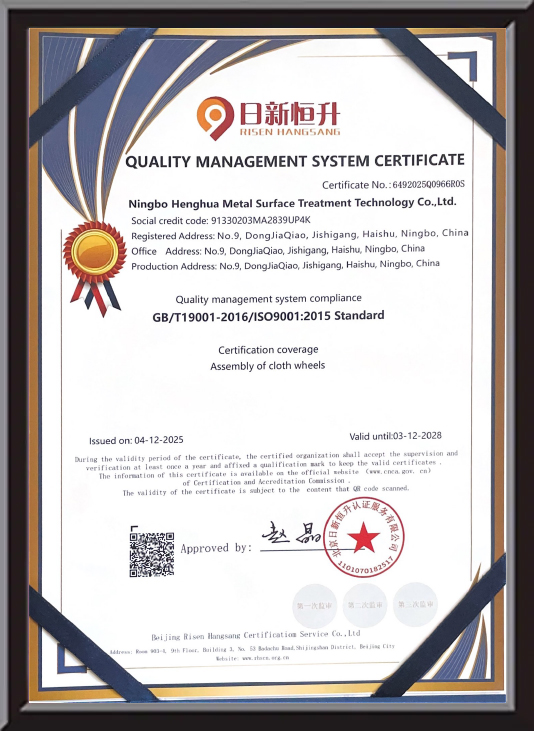
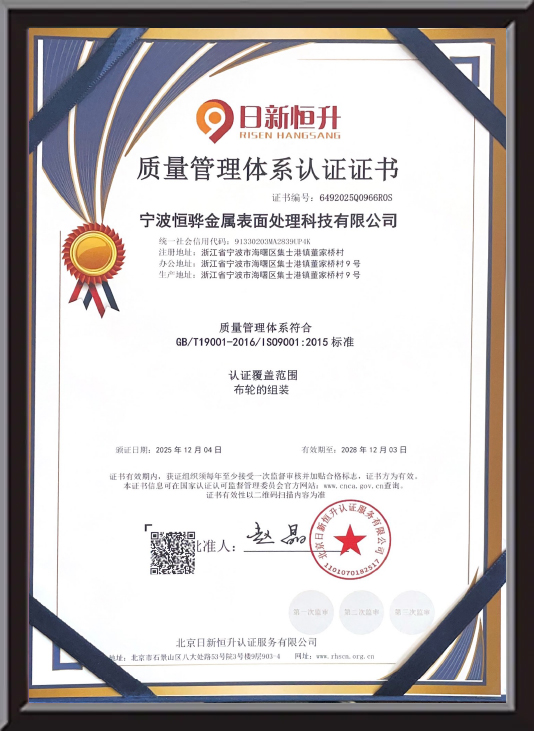
Certificate Of Honor
Message Feedback
Flap Wheel Industry Knowledge
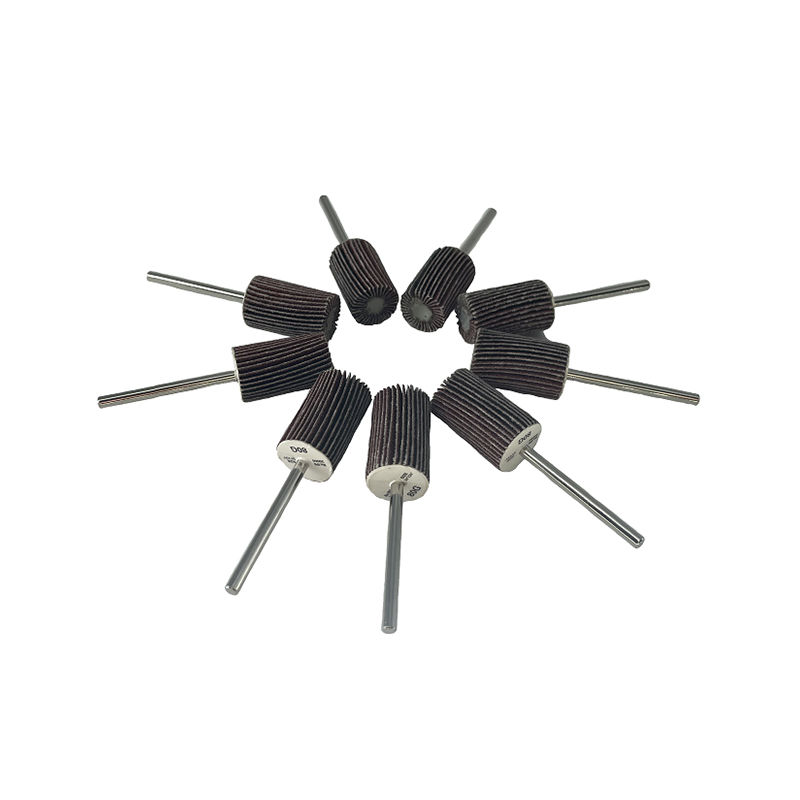
A flap wheel is a versatile abrasive tool composed of multiple overlapping abrasive flaps — typically made from aluminum oxide, zirconia alumina, or silicon carbide — bonded radially around a central hub. Designed for both grinding and finishing in a single operation, the flap wheel for metal grinding is widely used in fabrication, welding, and surface preparation workflows across steel, stainless steel, aluminum, and other metal substrates. Its self-renewing flap structure continuously exposes fresh abrasive as the outer layers wear, delivering consistent stock removal and surface conditioning throughout its service life.
Key Advantages of the Flap Wheel in Metal Grinding
Compared to conventional grinding discs and abrasive belts, the flap wheel for metal grinding offers a compelling combination of cutting efficiency, surface quality, and operational safety.
- Combined grinding and finishing: A single flap wheel can remove weld seams, deburr edges, and blend surfaces in one pass — reducing tooling changes and cycle time.
- Lower heat generation: The open flap structure dissipates heat more effectively than solid grinding wheels, reducing the risk of workpiece discoloration, warping, or stress on heat-sensitive alloys.
- Conformability: Flaps flex under pressure to follow curved profiles, contours, and irregular surfaces that rigid grinding wheels cannot reach effectively.
- Extended service life: The self-renewing abrasive surface means the wheel maintains consistent cutting performance far longer than conventional grinding discs of comparable size.
- Reduced operator fatigue: Lower vibration and smoother contact reduce hand-arm fatigue during extended grinding operations, improving both comfort and control.
How a Flap Wheel Works
The working principle of a flap wheel relies on the progressive exposure of abrasive grain as each flap layer wears down during contact with the metal surface. When mounted on an angle grinder, bench grinder, or die grinder and rotated at operating speed — typically between 4,500 and 13,000 RPM depending on wheel diameter — the overlapping flaps create a continuous cutting zone that simultaneously grinds and smooths.
As the outer edge of each flap contacts the workpiece, the coated abrasive removes material through micro-cutting action. When the surface grain dulls or loads, the flap tip breaks away to expose a fresh abrasive layer beneath — sustaining cutting efficiency without the need for wheel dressing. The angle of flap contact and the applied pressure determine the aggressiveness of material removal, giving operators direct control over stock removal rate and finish quality.
Flap Wheel Grit Selection for Metal Grinding Applications
Selecting the correct grit grade is critical when using a flap wheel for metal grinding. Grit choice directly affects material removal rate, surface roughness, and the number of finishing steps required downstream.
| Grit Range | Classification | Typical Application | Suitable Metals |
|---|---|---|---|
| P40 – P60 | Coarse | Weld removal, heavy stock removal | Structural steel, cast iron |
| P80 – P120 | Medium | Deburring, surface blending | Stainless steel, mild steel |
| P180 – P240 | Fine | Surface conditioning, pre-finishing | Aluminum, copper, stainless steel |
| P320 and above | Very Fine | Final satin finishing, scratch blending | Non-ferrous metals, decorative parts |
Typical Industrial Applications of Flap Wheels
The flap wheel is a standard tool across a broad range of metalworking industries where efficient surface preparation and finishing are required:
- Fabrication and welding: Grinding weld beads flush with the parent material and blending heat-affected zones on structural steel and pipe.
- Sheet metal processing: Deburring laser-cut, punched, and stamped sheet metal edges on stainless steel and aluminum panels.
- Automotive and transportation: Surface preparation of vehicle frames, exhaust components, and chassis parts before coating or plating.
- Pipe and tube finishing: Grinding internal and external weld seams on pipe sections where access is limited for flat grinding tools.
- Tooling and mold making: Blending parting lines and surface defects on mold cavities and precision metal components.
Ningbo Henghua Metal Surface Treatment Technology Co., Ltd., established in 2016, integrates R&D, production, and sales of metal surface treatment solutions — including abrasive flap wheels — for manufacturers across four continents. Positioned in Ningbo's industrial corridor with fully automatic production lines, Henghua delivers consistent product specifications and customized solutions to meet diverse metal grinding requirements at scale.
Frequently Asked Questions
Q1: What is the difference between a flap wheel and a grinding disc?
A grinding disc is a solid, bonded abrasive wheel that removes material aggressively but leaves a rougher surface and generates more heat. A flap wheel uses overlapping coated abrasive flaps that provide both grinding and finishing action in one tool, with lower heat output and a smoother resulting surface. For applications requiring a controlled finish after material removal, the flap wheel is the more efficient choice.
Q2: Can flap wheels be used on stainless steel?
Yes, but it is important to use flap wheels specifically designated as iron- and sulfur-free for stainless steel applications. Contamination from standard abrasive wheels can introduce embedded particles that cause surface rust or compromise corrosion resistance. Zirconia alumina or ceramic abrasive flap wheels are generally recommended for stainless steel grinding due to their high cut rate and resistance to loading.
Q3: What RPM should a flap wheel be run at?
Always operate a flap wheel for metal grinding at or below the maximum RPM printed on the wheel label. For a standard 115 mm flap wheel, the typical maximum is 13,300 RPM; for a 125 mm wheel, it is 12,200 RPM. Exceeding the rated speed creates a safety hazard and accelerates uneven wear. Match the wheel's maximum RPM to the tool's operating speed before mounting.
Q4: How should flap wheels be stored to maintain their performance?
Store flap wheels flat or standing upright in a dry, cool environment away from direct sunlight and moisture. Exposure to humidity can degrade the resin bond holding the abrasive flaps, reducing wheel integrity during use. Avoid dropping or stacking heavy objects on wheels, as impact damage to the hub or flap layers may cause imbalance and uneven grinding.
A correctly selected and properly used flap wheel reduces total process steps, improves surface consistency, and lowers per-part grinding costs compared to conventional abrasive tools. By matching grit, abrasive type, and wheel diameter to the specific metal and application, fabricators and manufacturers can achieve reliable, repeatable results across the full range of metal grinding and finishing operations.
Ningbo Henghua Metal Surface Treatment Technology Co., Ltd. has specialized in the R&D and production of polishing cloth wheels, polishing wax, liquid polishing wheels, and metal polishing paste.
Classification
Contact Info
-
[email protected]
[email protected]
[email protected] -
+86-13777066809
+86-574-88187397 - No.9, Xiaodongjiaqiao, Jishigang Town, Haishu District, Ningbo City, Zhejiang Province, China
Keep in Touch
Copyright © Ningbo Henghua Metal Surface Treatment Technology Co., Ltd. Flap Wheel Manufacturers Flap Wheel For Metal Grinding Suppliers All Rights Reserved.
