

 Español
 Deutsch
 عربى
عربى
Jewelry Polishing Cream Manufacturers
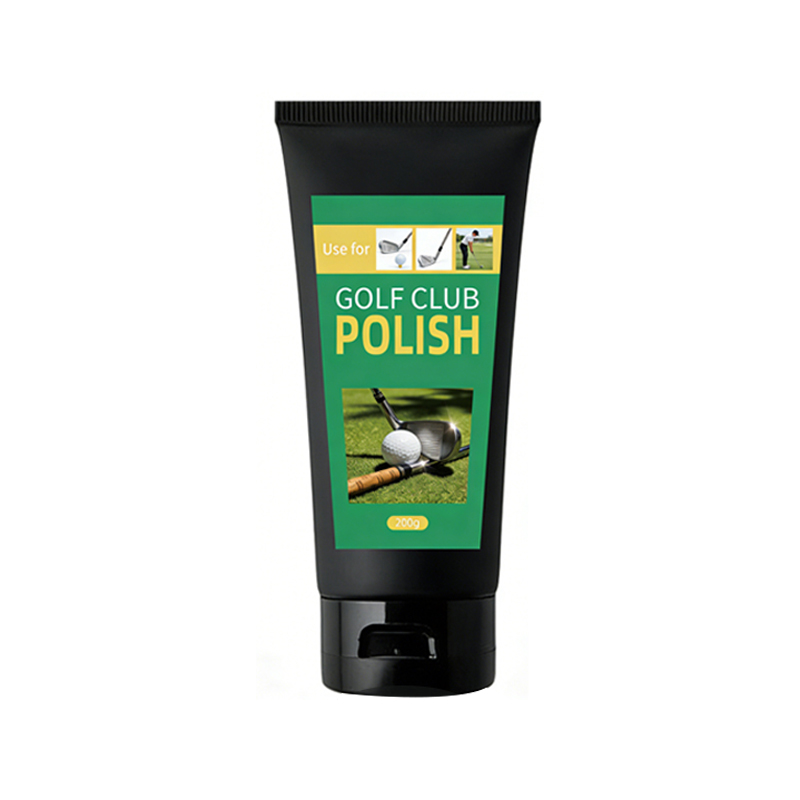
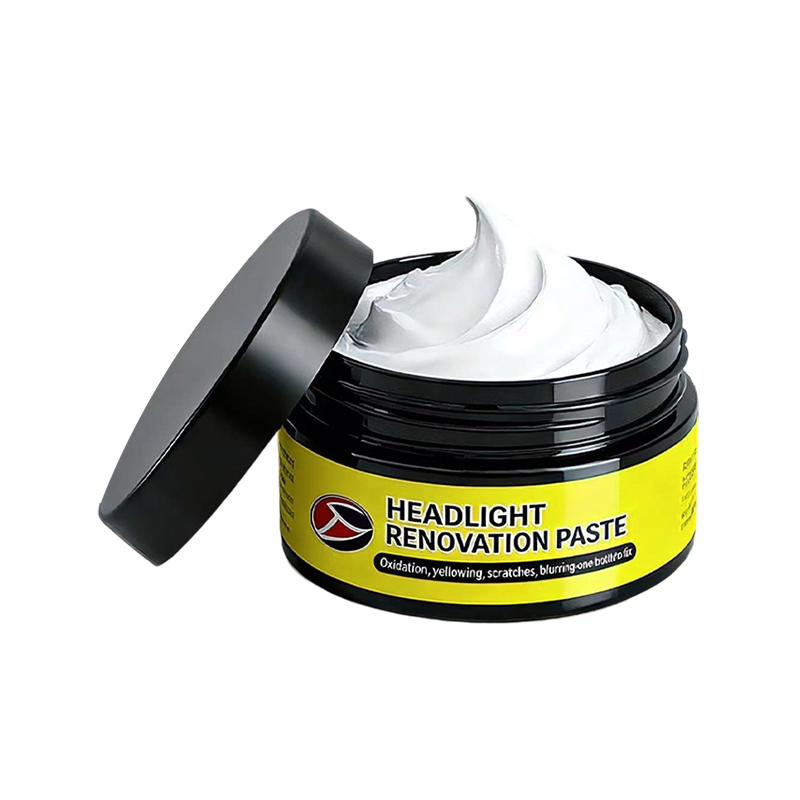
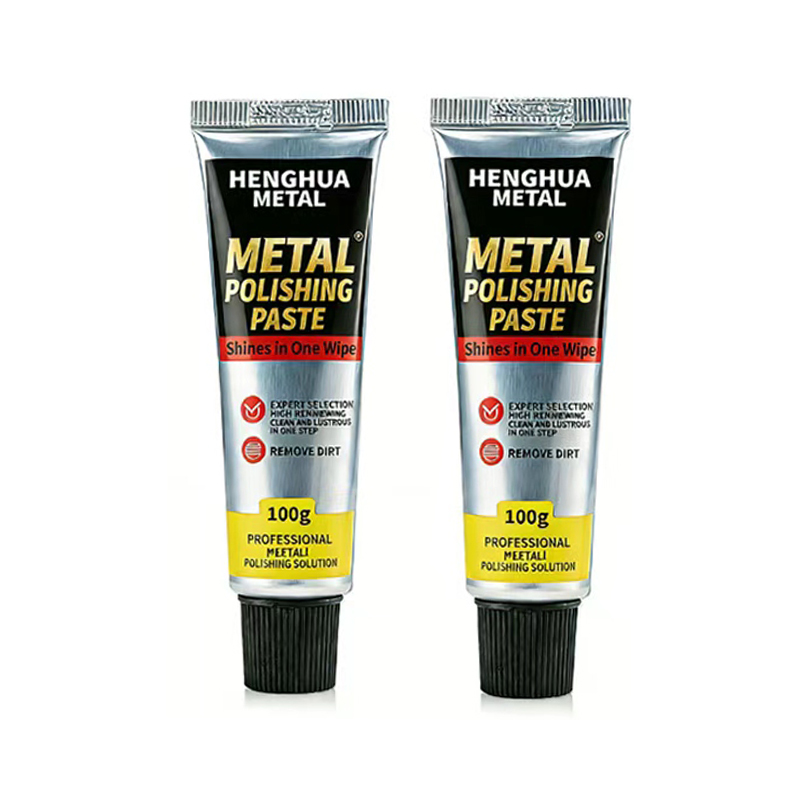
New Polishing Cream is designed for industrial, commercial, and household cleaning needs. Its abrasive polishing solution effectively removes oxide layers, rust, and stubborn stains, restoring metal, plastic, or painted surfaces to their original mirror-like finish.
Product Advantages:
Multi-material applicability: Widely evaluated on stainless steel, copper, aluminum, chromium, ceramics, and some hard plastics.
Highly effective cleaning and polishing: Utilizes fine micro-abrasive particles to quickly repair scratches and enhance shine without damaging the surface.
Long-lasting protective film: Forms an antioxidant protective layer on the surface after polishing, effectively preventing secondary rusting and fingerprint residue.
Environmentally friendly formula: Meets international export environmental standards, odorless, and safe to use.
I. Packaging Specifications: Household products are mostly packaged in plastic bottles (50g/100g/200g) or aluminum tubes (50ml/75ml/100ml).
II. Grinding Grit: Fine grit (1000#~5000#, for fine polishing/precious metals), General grit (500#~1000#, for removing oxidation from regular metals), Heavy grit (300#~500#, for removing shallow scratches/stubborn oxidation).
III. Form Specifications: Paste (moderate consistency, easy to spread).
All products are developed by professionals. The core formula has been patented, and the effect is comparable to mainstream German products. The abrasive uses products from a company under Alcoa, offering strong grinding power and high gloss. All finished products are SGS certified. Currently exported to the United States, Indonesia, Pakistan, and other countries, and have received high praise from customers. We can also design outer packaging free of charge according to customer requirements to meet different packaging needs.
About
Ningbo Henghua Metal Surface Treatment Technology Co., Ltd.
Ningbo Henghua Metal Surface Treatment Technology Co., Ltd. is located in Dongjiaqiao, Jishigang, Haishu District, Ningbo Bo City, Zhejiang Province, China. As a China jewelry polishing cream suppliers, Henghua Metal Surface Treatment Technology Co., Ltd. provides various customized polishing materials. The company was established in 2016, with a plant area of 3,500 square meters, more than 10 sets of advanced cloth wheel production equipment, 2 fully automatic canning lines, and can customize the production of wind cloth wheels of various types and sizes. Ma wheel, polishing wax, chiye wheel, metal polishing paste and other products, customers are all over South America, the United States, Europe, the Middle East, etc. In recent years, the company has continuously innovated to improve the work efficiency of polishing materials, and has won the recognition of customers. Welcome customers in need to call to negotiate cooperation!
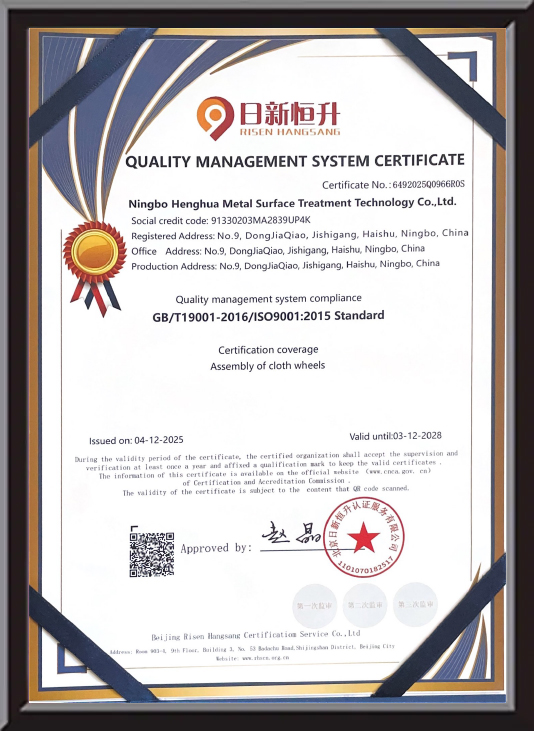
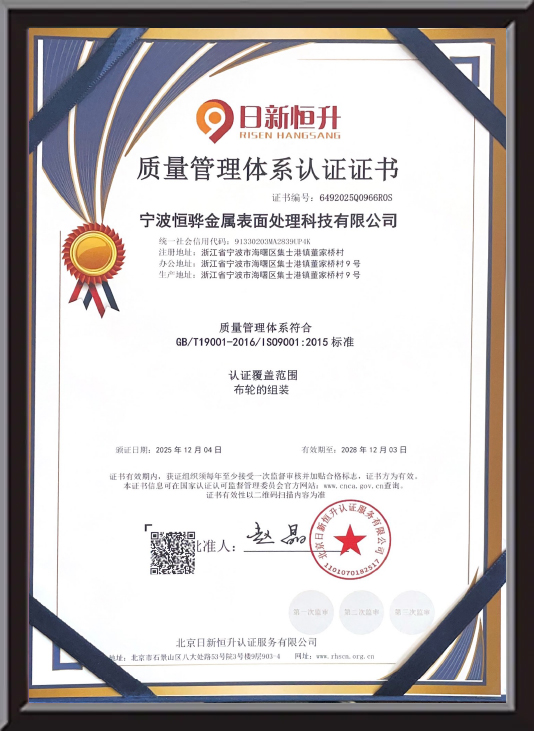
Certificate Of Honor
Message Feedback
New Polishing Cream Industry Knowledge
New polishing cream represents a significant advancement over traditional bar and paste polishing compounds, offering a water-based or semi-fluid formulation that combines aggressive cutting action with improved ease of application and reduced environmental impact. Designed for both manual and machine-assisted finishing, new polishing cream formats deliver consistent abrasive performance across a wide range of metal substrates — making them an increasingly preferred choice in professional metal surface treatment workflows. In the jewelry sector specifically, jewelry polishing cream has become the standard for achieving high-gloss finishes on gold, silver, platinum, and their alloys with minimal risk of surface damage.
Key Advantages of New Polishing Cream Formulations
Compared to conventional solid bar compounds, modern new polishing cream offers a range of practical benefits that improve both process efficiency and operator experience:
- Faster compound transfer: Cream consistency allows immediate and even distribution onto buffing wheels or applicators, eliminating the warm-up time required with solid bar formats.
- Precise dosage control: Cream or paste packaging enables controlled application, reducing compound waste and lowering per-part material costs in high-volume production.
- Environmentally improved formulas: Many new polishing cream products use water-based or low-VOC formulations that reduce solvent emissions compared to wax-based bar compounds, supporting cleaner workshop environments.
- Versatile application methods: Suitable for use with rotating buffing wheels, felt bobs, polishing cloths, and ultrasonic polishing systems — covering both manual bench work and automated production lines.
- Consistent particle distribution: The fluid matrix ensures abrasive particles remain uniformly suspended, delivering stable cutting performance from the first application to the last.
How New Polishing Cream Works on Metal Surfaces
A new polishing cream functions through the same micro-abrasion principle as traditional polishing compounds but with enhanced carrier efficiency. The cream base — typically water, glycol, or a light oil emulsion — suspends fine abrasive particles such as aluminum oxide, cerium oxide, or chromium oxide at a controlled concentration. When applied to a rotating wheel or rubbed manually onto the metal surface, these particles abrade microscopic surface irregularities, progressively reducing surface roughness (Ra value) until the desired finish is achieved.
The fluid carrier also acts as a mild lubricant, reducing friction heat at the workpiece surface — a particularly important property when finishing jewelry polishing cream applications on thin-gauge precious metal components where thermal discoloration must be avoided. The result is a cleaner, more controlled cutting action than wax-based bar compounds, with less residue buildup on the wheel surface between applications.
Jewelry Polishing Cream: Application Across Metal Types
Jewelry polishing cream formulations are specifically engineered for the delicate surface requirements of precious and semi-precious metals. The table below outlines recommended cream types by metal and finishing objective:
| Metal Type | Recommended Cream Grade | Primary Abrasive | Target Finish |
|---|---|---|---|
| Gold (9K–24K) | Fine / Ultra-fine | Iron oxide (rouge) | Mirror, high-gloss |
| Silver | Fine | Aluminum oxide / rouge | Bright, mirror |
| Platinum | Ultra-fine | Diamond abrasive / cerium oxide | Mirror |
| Brass / Copper | Medium / Fine | Aluminum oxide | Bright, pre-plating |
Ningbo Henghua Metal Surface Treatment Technology Co., Ltd., established in 2016, is committed to providing efficient, precise, and environmentally friendly polishing materials — including advanced new polishing cream and jewelry polishing cream solutions — for manufacturers worldwide. With fully automatic canning production lines and a customer network spanning four continents, Henghua delivers consistent product quality and customized formulations to meet the exacting standards of global jewelry and hardware production customers.
Frequently Asked Questions
Q1: What makes new polishing cream different from traditional bar compound?
Traditional bar compounds require heat from the spinning wheel to soften and transfer onto the buffing surface, which can result in uneven loading. New polishing cream is pre-dispersed in a fluid carrier, enabling immediate, uniform transfer without warm-up. This results in more consistent compound distribution, reduced application waste, and better process control — particularly in automated or high-speed production environments.
Q2: Can jewelry polishing cream be used in ultrasonic polishing systems?
Yes. Water-based jewelry polishing cream formulations are fully compatible with ultrasonic polishing systems, where the cream is diluted in water and the ultrasonic vibration accelerates the abrasive action across intricate surface details. This method is especially effective for chains, filigree settings, and small components where rotating wheel access is limited. Always confirm the cream's recommended dilution ratio with the ultrasonic system manufacturer before use.
Q3: How should new polishing cream be stored?
Store polishing cream in a sealed container at room temperature (5°C to 30°C), away from direct sunlight and freezing conditions. Extreme cold can cause the cream matrix to separate, while excessive heat may alter abrasive particle suspension. If separation occurs after storage, stir or shake thoroughly before use to restore uniform consistency. Most polishing cream products have a shelf life of 12 to 24 months when stored correctly.
Q4: How many polishing stages are typically needed when using jewelry polishing cream?
For standard jewelry finishing, two to three stages are recommended: a medium-grade cream for initial scratch removal and surface leveling, followed by a fine-grade cream for brightening, and an ultra-fine cream or rouge for the final mirror or high-gloss stage. Cleaning the workpiece between stages with a soft cloth or ultrasonic rinse prevents coarser abrasive particles from contaminating the next stage and compromising the final finish quality.
Whether used in a professional jewelry workshop or an industrial metal finishing line, new polishing cream offers a modern, efficient alternative to traditional solid compounds — delivering precise abrasive control, cleaner application, and results that meet the demanding surface quality standards of today's global manufacturing market.
Ningbo Henghua Metal Surface Treatment Technology Co., Ltd. has specialized in the R&D and production of polishing cloth wheels, polishing wax, liquid polishing wheels, and metal polishing paste.
Classification
Contact Info
-
[email protected]
[email protected]
[email protected] -
+86-13777066809
+86-574-88187397 - No.9, Xiaodongjiaqiao, Jishigang Town, Haishu District, Ningbo City, Zhejiang Province, China
Keep in Touch
Copyright © Ningbo Henghua Metal Surface Treatment Technology Co., Ltd. Polishing Compound Manufacturers Jewelry Polishing Cream Suppliers All Rights Reserved.
