

 Español
 Deutsch
 عربى
عربى
Sisal Wheel Manufacturers
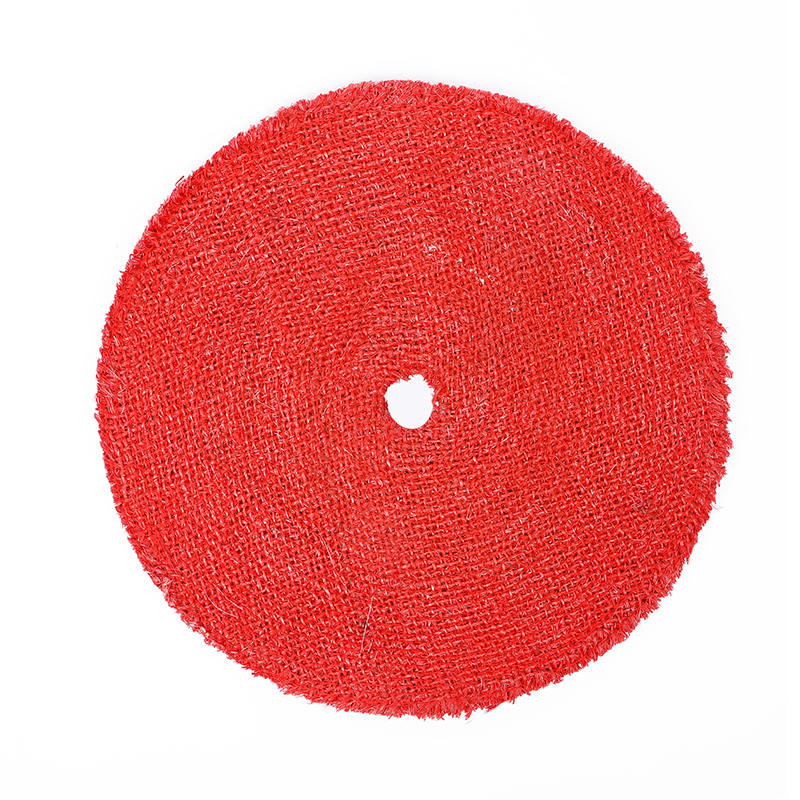
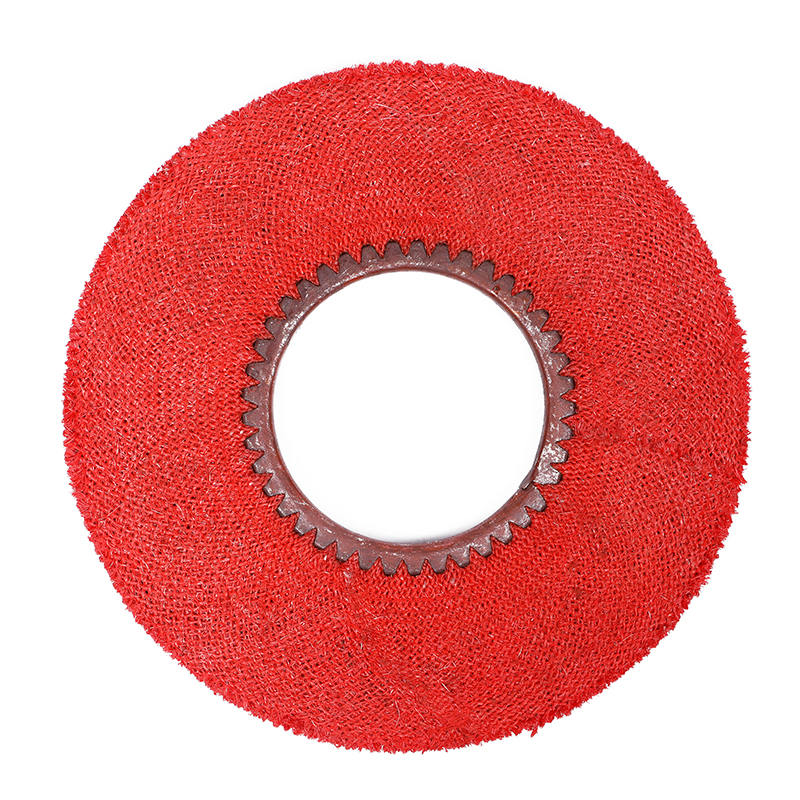
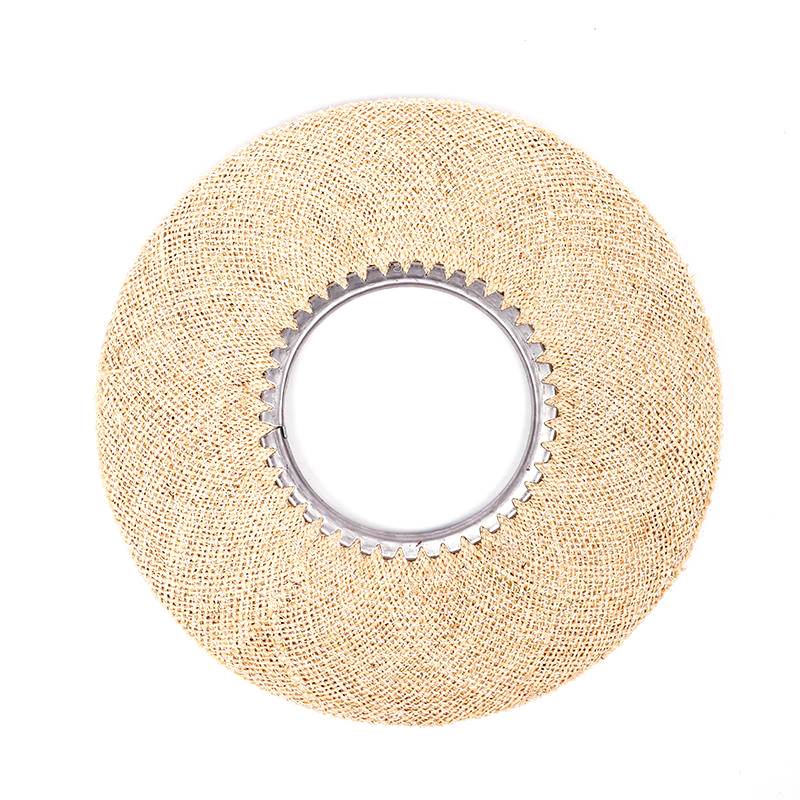
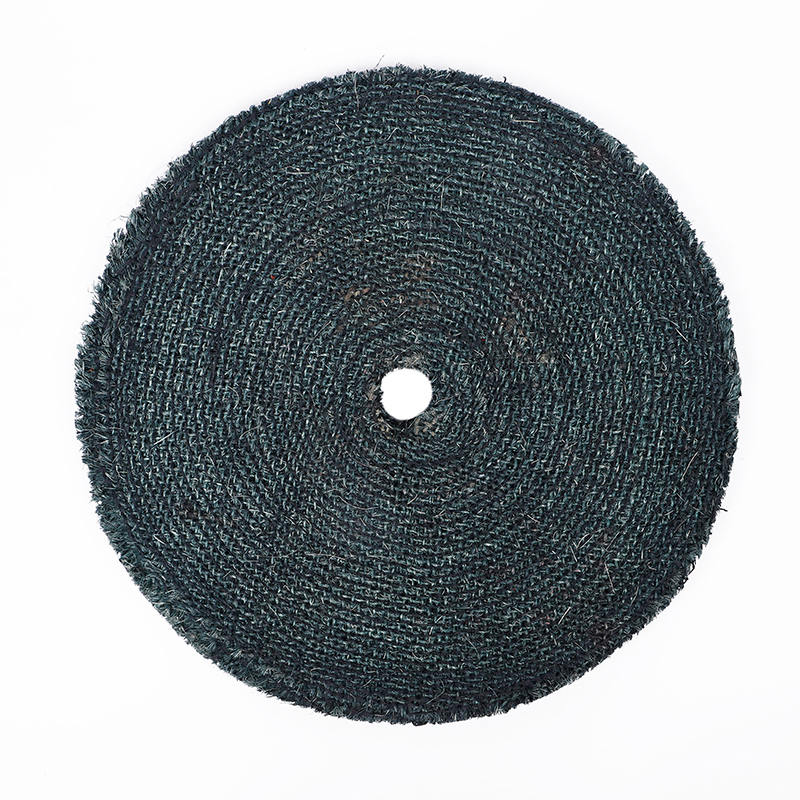
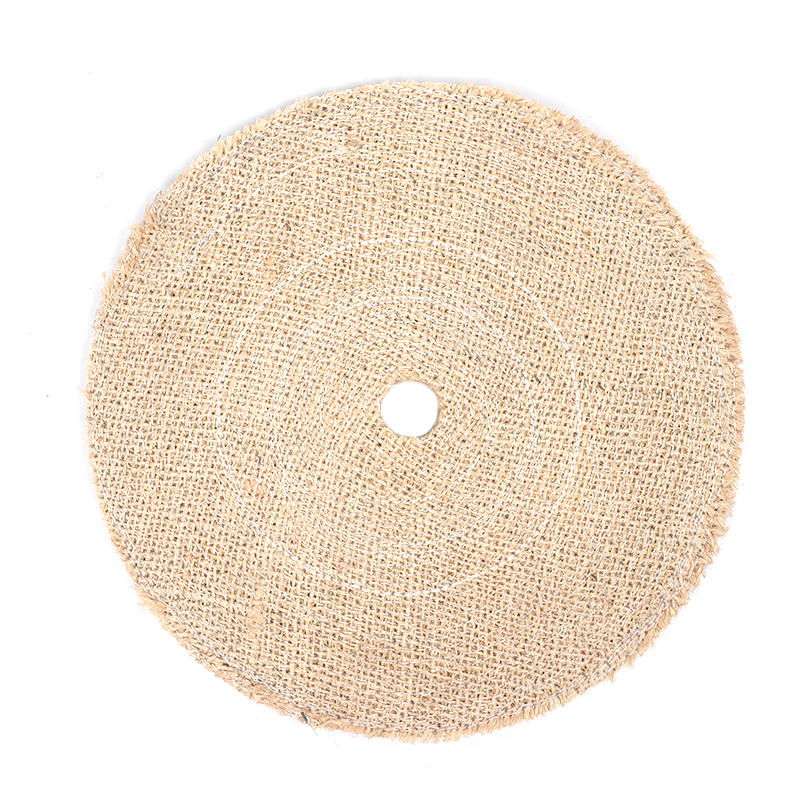
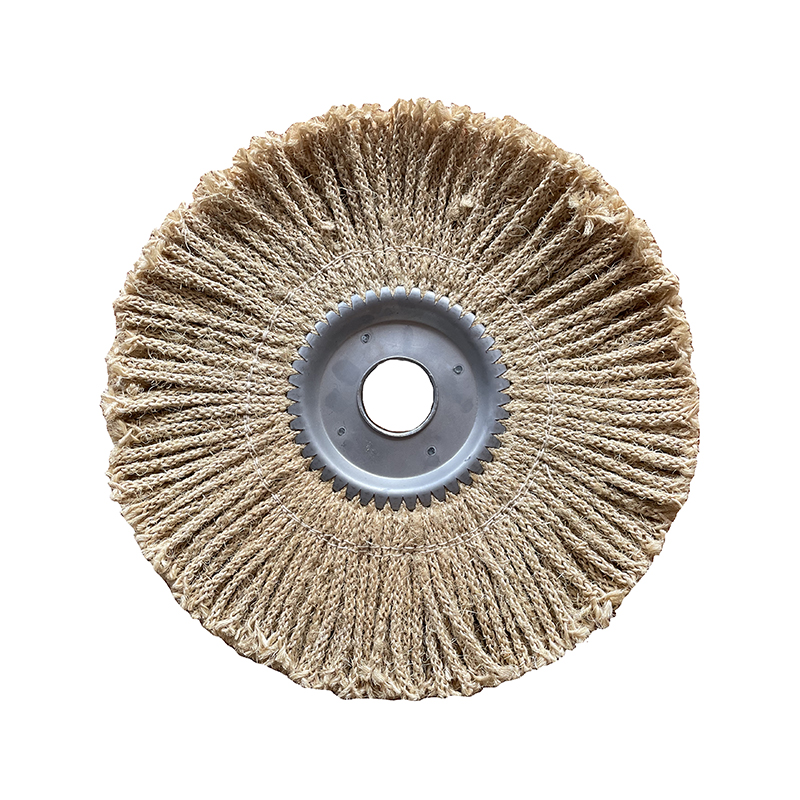
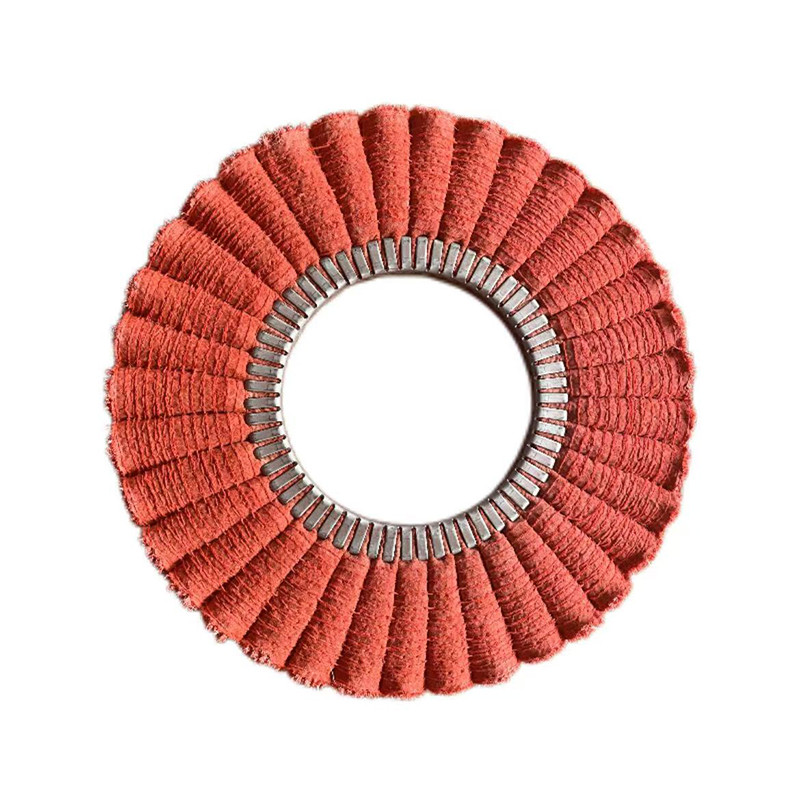
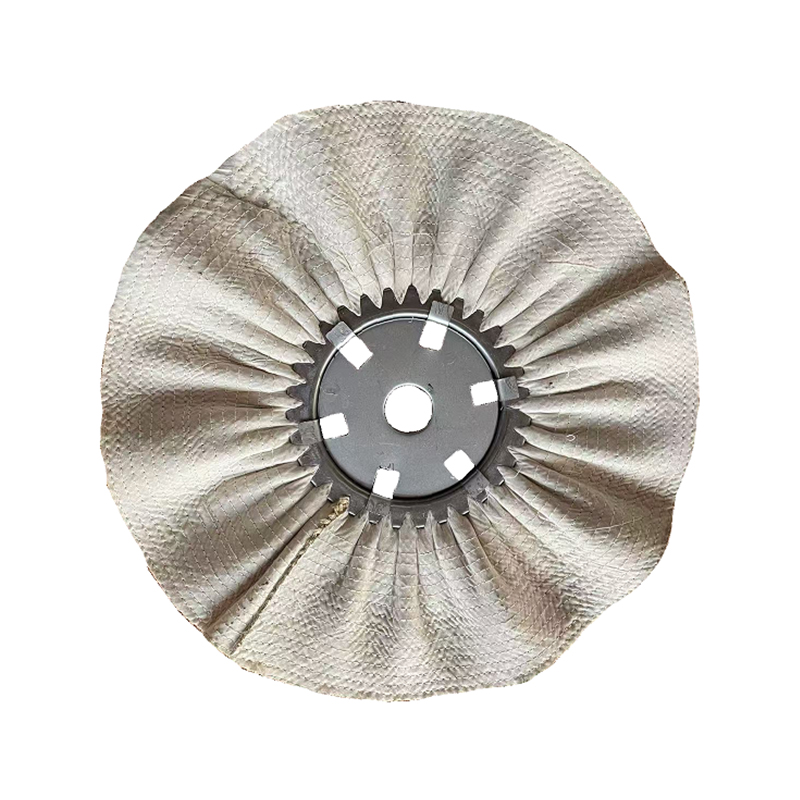
The sisal wheel is specifically designed for working rough surfaces. Made from high-quality natural sisal fibers and multiple layers of pure cotton fabric, it boasts excellent hardness and cutting power, making it ideal for removing scratches, solder joints, and oxide scale from metal surfaces.
Core Applications: Compatible with polishing machines, primarily for fine polishing, mirror polishing, and brushing brightening of metal workpieces. Also used for polishing and waxing paint/resin surfaces. Suitable for industries such as hardware, jewelry, watches, auto parts, and stainless steel products.
Core Advantages: Soft texture, scratch-free polishing, high surface smoothness; wear-resistant and highly efficient polishing, can be used with polishing paste, suitable for fine processing of flat/curved surfaces, low operating noise and minimal dust.
Specifications: (1) Diameter: 75-550mm, adaptable to different sizes of equipment and workpieces.
(2) Thickness: Varies from 10mm to 50mm; thickness affects rigidity and elasticity.
(3) Hole Diameter: 10mm, 15mm, 20mm, and can be customized according to customer equipment.
(4) Fiber Weaving Density: 10*8/8*7/6*8/6*7
About
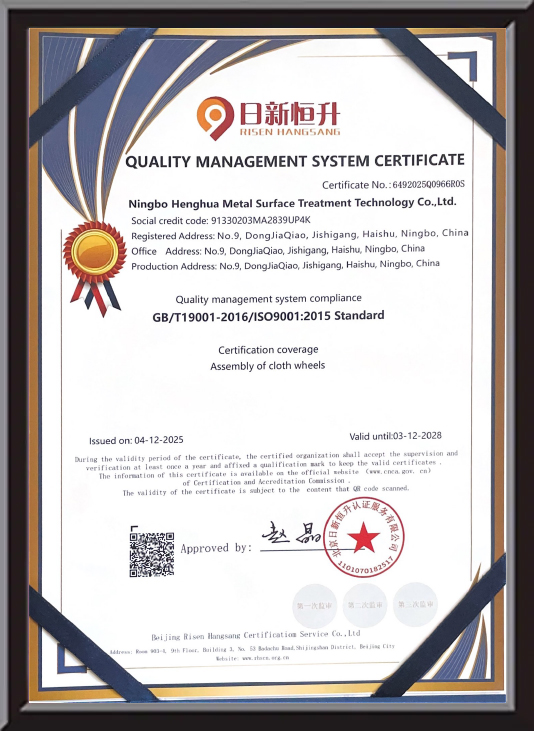
Ningbo Henghua Metal Surface Treatment Technology Co., Ltd.
Ningbo Henghua Metal Surface Treatment Technology Co., Ltd. is located in Dongjiaqiao, Jishigang, Haishu District, Ningbo Bo City, Zhejiang Province, China. As a China industrial sisal buffing wheel suppliers, Henghua Metal Surface Treatment Technology Co., Ltd. provides various customized polishing materials. The company was established in 2016, with a plant area of 3,500 square meters, more than 10 sets of advanced cloth wheel production equipment, 2 fully automatic canning lines, and can customize the production of wind cloth wheels of various types and sizes. Ma wheel, polishing wax, chiye wheel, metal polishing paste and other products, customers are all over South America, the United States, Europe, the Middle East, etc. In recent years, the company has continuously innovated to improve the work efficiency of polishing materials, and has won the recognition of customers. Welcome customers in need to call to negotiate cooperation!
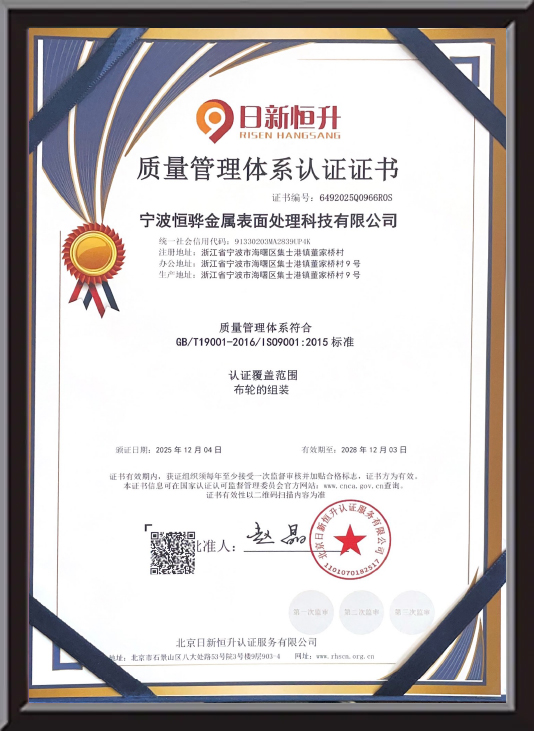
Certificate Of Honor
Message Feedback
Sisal Wheel Industry Knowledge
A sisal wheel is one of the most effective tools for metal polishing, widely used in industrial finishing, jewelry manufacturing, hardware processing, and precision component production. Made from natural sisal fiber, this abrasive wheel delivers aggressive cutting action while maintaining surface integrity — making it the preferred first-stage tool before finer buffing steps. Whether you are working with stainless steel, aluminum, copper, or brass, understanding how a sisal polishing wheel works and how to use it correctly can significantly improve your finishing results.
Key Advantages of Using a Sisal Wheel for Metal Polishing
The sisal wheel for metal polishing offers a unique combination of rigidity and flexibility that few other abrasive tools can match. Its tightly twisted natural fiber construction provides consistent contact pressure across curved and flat surfaces alike, ensuring even material removal without gouging or over-grinding.
- High cutting efficiency: Sisal fibers carry polishing compounds deep into the wheel structure, allowing sustained abrasive action throughout the wheel's lifespan.
- Versatile application: Suitable for pre-polishing, scratch removal, and surface leveling on a wide range of metals including iron, stainless steel, aluminum alloy, and non-ferrous metals.
- Durability: Natural sisal is more resistant to heat and wear than synthetic alternatives, extending operational life under high-speed rotation.
- Compound compatibility: Works effectively with bar compounds, emery paste, and cutting compounds to deliver a consistent matte or pre-mirror finish.
- Cost efficiency: Its long service life and high material removal rate reduce per-unit finishing costs in production-scale operations.
How a Sisal Polishing Wheel Works
The working principle of a sisal polishing wheel relies on the mechanical abrasion between the fiber tips and the metal workpiece surface. When a polishing compound is applied to the rotating wheel, the abrasive particles bond to the sisal fibers and are continuously replenished as the outer fiber layer wears away — creating a self-renewing cutting surface.
The twisted rope or sewn-layer construction determines the wheel's hardness and aggressiveness. Rope-type sisal wheels tend to be harder and more aggressive, making them ideal for initial scratch removal and heavy surface preparation. Sewn-layer sisal wheels offer slightly more flexibility and are used when a balance between cutting and conforming to part geometry is needed.
Typical operating speeds range from 1,800 to 3,500 RPM depending on wheel diameter and the type of metal being processed. Proper compound loading — applying compound at regular intervals rather than over-saturating — ensures both consistent finish quality and extended wheel life.
| Wheel Type | Construction | Aggressiveness | Best Application |
|---|---|---|---|
| Rope Sisal Wheel | Twisted sisal rope layers | High | Heavy scratch removal, initial polishing |
| Sewn Sisal Wheel | Stitched sisal fabric layers | Medium | Pre-mirror finishing, contour surfaces |
| Combination Sisal Wheel | Sisal + cotton mixed layers | Medium-Low | Transitional polishing stages |
Typical Applications of Sisal Wheels in Metal Finishing
Sisal wheels are used across a broad range of industries wherever metal surfaces require systematic preparation before a final bright or mirror finish is achieved. Common applications include:
- Hardware and hand tools: Removing forging scale, mold lines, and oxidation layers from wrenches, hinges, locks, and fittings.
- Sanitary ware and plumbing: Pre-polishing faucet bodies, valve handles, and pipe fittings before chrome or nickel plating.
- Automotive parts: Surface preparation of aluminum wheels, exhaust tips, and decorative trim components.
- Furniture hardware: Polishing drawer pulls, cabinet handles, and decorative metal frames.
- Jewelry and precision parts: Initial polishing of brass, copper, and silver components ahead of fine finishing.
Ningbo Henghua Metal Surface Treatment Technology Co., Ltd., established in 2016, has been dedicated to the research, development, and innovation of metal surface treatment technologies, providing efficient, precise, and environmentally friendly polishing materials tailored for these exact production scenarios. With customer networks spanning South America, Europe, North America, and the Middle East, Henghua's sisal wheel solutions are built to meet diverse industrial polishing demands at scale.
How to Select the Right Sisal Polishing Wheel for Your Application
Choosing the correct sisal wheel involves matching wheel specifications to your workpiece material, surface condition, and desired finish stage. Key selection criteria include:
Wheel Diameter and Width
Larger diameter wheels cover more surface area per rotation and are suited for flat or large-radius workpieces. Narrower wheels are better for grooves, edges, and detailed profiles.
Hardness and Ply Count
More plies (layers) create a denser, harder wheel with stronger cutting action. Fewer plies produce a softer, more compliant wheel better suited to contoured surfaces. Match hardness to the severity of surface defects being removed.
Compound Pairing
For sisal wheels used in metal polishing, brown or black cutting bar compounds are standard for ferrous metals. White or green compounds are used for non-ferrous metals and softer alloys when a finer intermediate finish is needed.
Frequently Asked Questions
Q1: What is the difference between a sisal wheel and a cotton buffing wheel?
A sisal wheel is made from coarse natural plant fiber and is primarily used for aggressive cutting, scratch removal, and surface preparation. A cotton buffing wheel is softer and is used in later polishing stages to achieve a bright or mirror finish. In a standard finishing sequence, the sisal polishing wheel comes first, followed by cotton or flannel buffing wheels.
Q2: How often should I apply compound to a sisal polishing wheel?
Compound should be applied in short, intermittent contact — typically every 30 to 60 seconds of active polishing depending on the workpiece material and removal rate required. Over-loading the wheel reduces cutting efficiency and can cause compound buildup, while under-loading leads to dry friction and premature fiber wear.
Q3: Can sisal wheels be used on automated polishing machines?
Yes. Sisal polishing wheels are fully compatible with automatic and semi-automatic polishing equipment. They are commonly mounted on multi-head polishing lines in hardware, sanitary ware, and automotive component factories. When specifying wheels for automated systems, ensure the bore diameter, arbor compatibility, and maximum RPM rating match the machine specifications.
Q4: How do I extend the service life of my sisal wheel?
To maximize wheel longevity: avoid overloading with compound, maintain consistent operating speeds within the recommended range, store wheels in a dry environment away from direct sunlight, and dress the wheel surface periodically to remove hardened compound buildup. Proper storage and handling practices can meaningfully extend operational life between replacements.
A well-chosen sisal wheel for metal polishing is a foundational investment in any serious surface finishing workflow. From hardware production lines to precision component manufacturing, the right sisal polishing wheel — correctly paired with compound and operating parameters — delivers reliable, repeatable results at every production scale. For manufacturers seeking customized solutions, working with a supplier experienced in metal surface treatment technology ensures that wheel specifications are precisely matched to process requirements and output standards.
Ningbo Henghua Metal Surface Treatment Technology Co., Ltd. has specialized in the R&D and production of polishing cloth wheels, polishing wax, liquid polishing wheels, and metal polishing paste.
Classification
Contact Info
-
[email protected]
[email protected]
[email protected] -
+86-13777066809
+86-574-88187397 - No.9, Xiaodongjiaqiao, Jishigang Town, Haishu District, Ningbo City, Zhejiang Province, China
Keep in Touch
Copyright © Ningbo Henghua Metal Surface Treatment Technology Co., Ltd. Sisal Wheel Manufacturers Industrial Sisal Buffing Wheel Suppliers All Rights Reserved.
