

 Español
 Deutsch
 عربى
عربى
Polishing Compound Manufacturers
Polishing wax is key to achieving a finish from rough grinding to mirror polishing. It is scientifically formulated with high-purity grease and carefully selected abrasives, exhibiting strong adhesion and rapid shine, significantly improving the efficiency of the polishing wheel and ensuring a uniform, deep gloss on the workpiece surface.
I. Core Applications: Used with various polishing wheels (linen/air cloth/jewelry polishing wheels, etc.), suitable for medium-fine polishing, mirror polishing, and wire drawing brightening of metal workpieces such as gold and silver jewelry, hardware, auto parts, stainless steel, copper, and aluminum. Also used for polishing and brightening resin and paint surfaces, it is a complementary consumable in the polishing process.
Core Advantages: Improves polishing efficiency and surface smoothness; easy to wax and clean; can fill in minor scratches on workpieces; adaptable to all processes from rough polishing to mirror polishing when used with different polishing wheels; moderate adhesion with no residue; reduces polishing wheel wear and protects the workpiece surface from scratches.
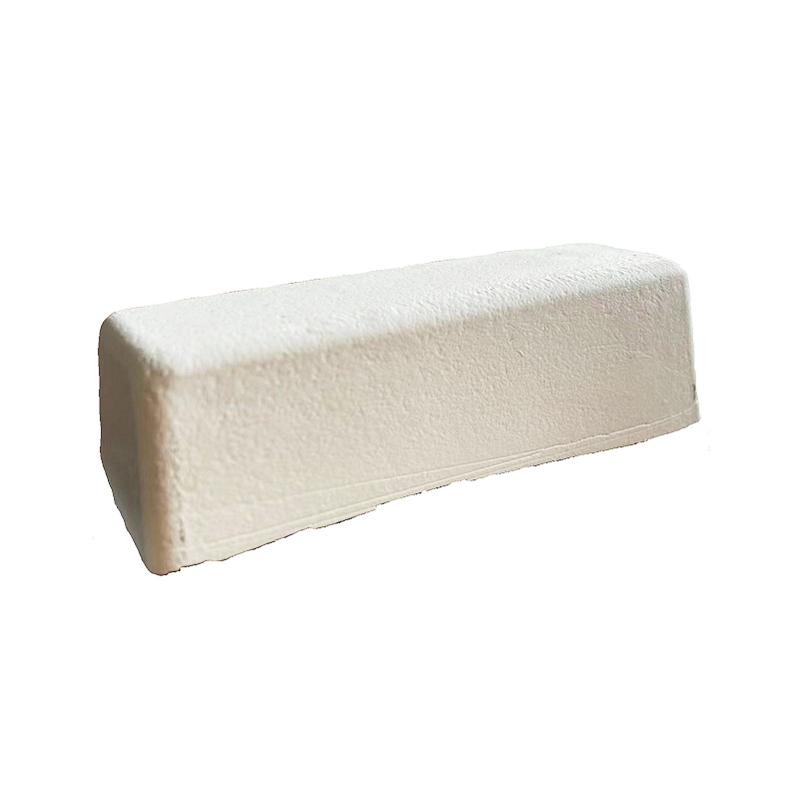
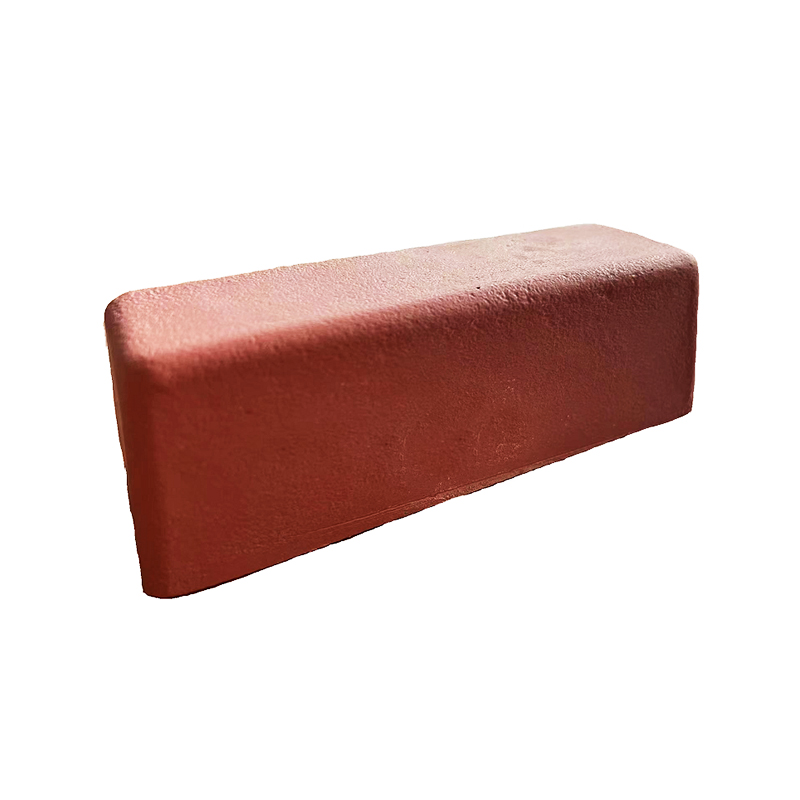
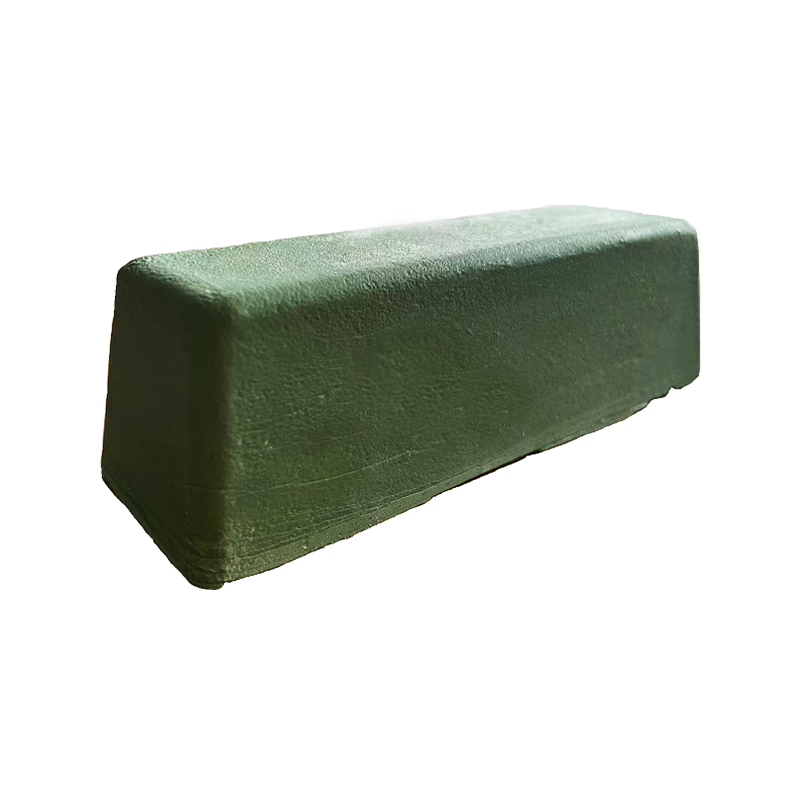
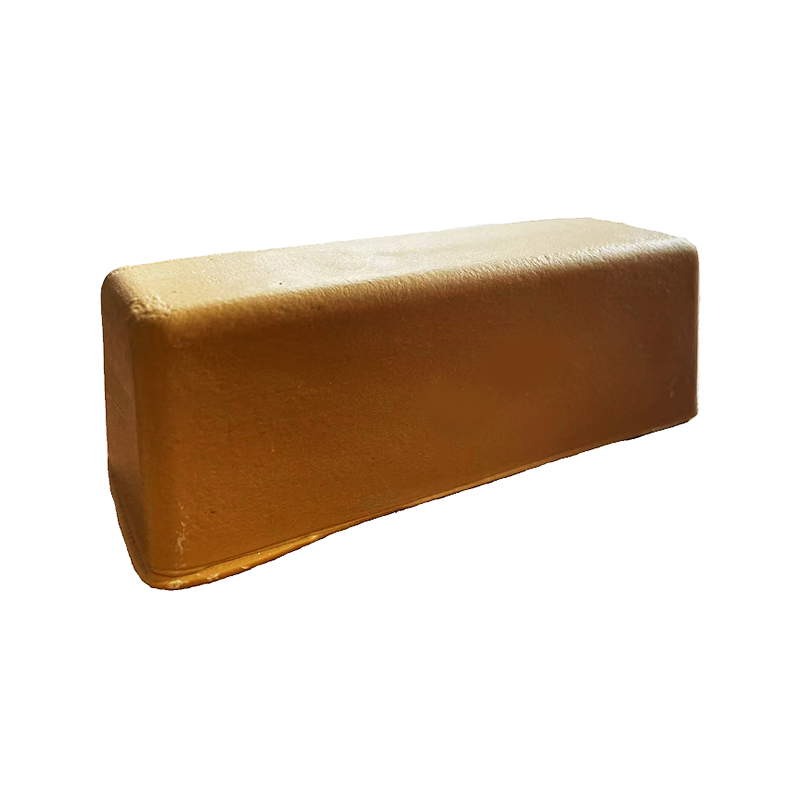
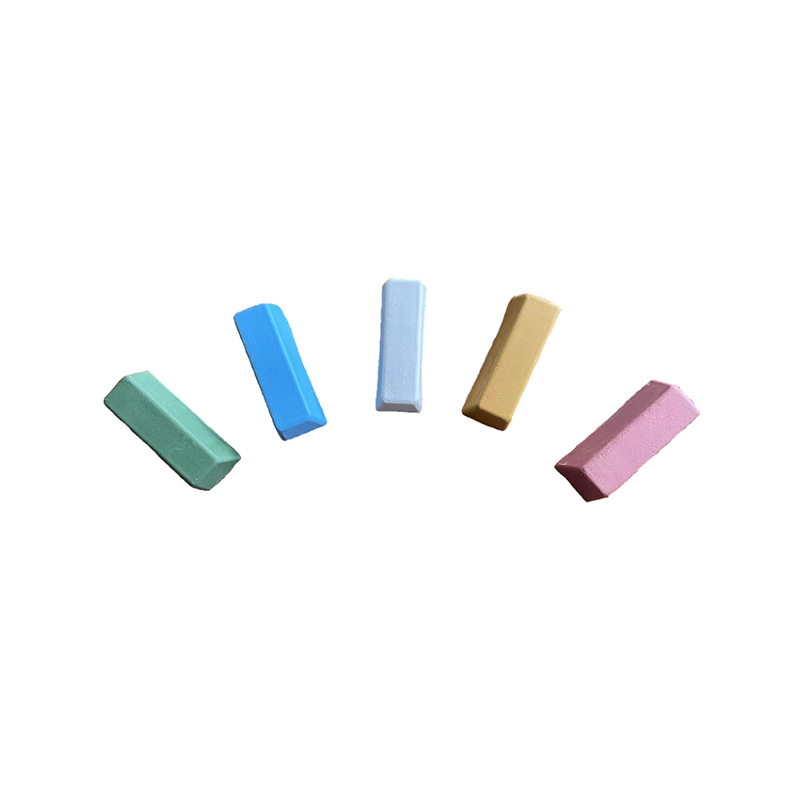
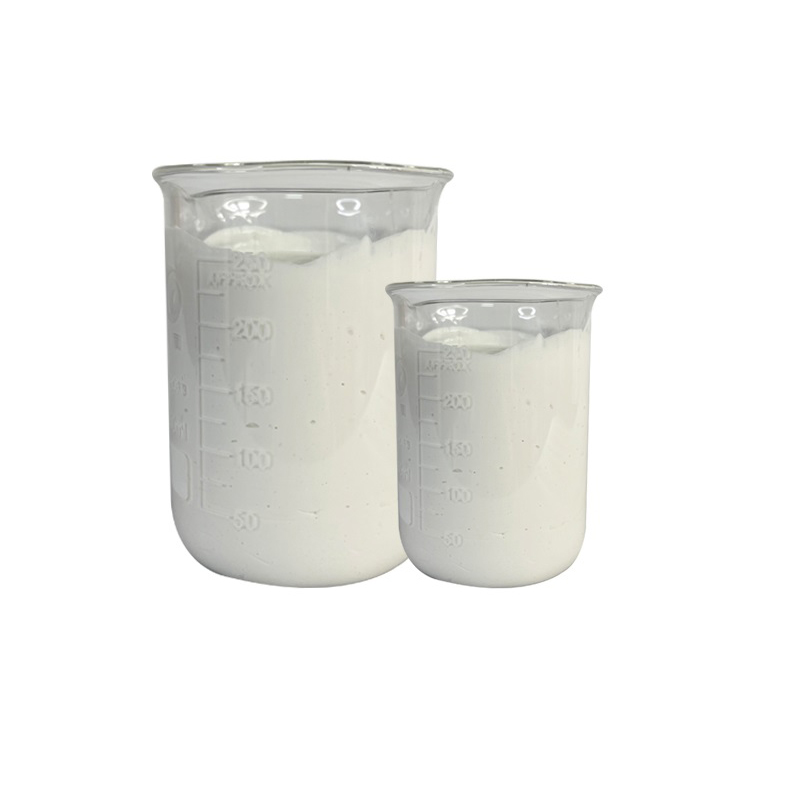
(1) Physical Specifications: Standardly available in rectangular solid wax blocks and liquid wax. Rectangular solid wax blocks weigh 200g/400g/500g/800g/1000g, liquid wax weighs 25kg/box.
(2) Particle Size Specifications (for...) Polishing Processes: Coarse Polishing (200#-500#) Medium Polishing (800#-1000#) Fine Polishing (2000#-10000#) Higher numbers indicate finer abrasive particles and higher polishing precision.
We offer a complete range of abrasive grades, from coarse to high mirror finishes. Our abrasives and greases are sourced from leading large-scale manufacturers and formulated with optimal techniques. This allows for greater adhesion of the polishing wax to the cloth wheel surface, reducing direct contact between the wheel and the product and maximizing abrasive friction. Suitable greases lubricate the surface and adhere to the abrasive, reducing dust, minimizing environmental impact, improving the working environment, and protecting worker health. We can quickly formulate polishing waxes according to customer needs and deliver samples to customers in the shortest possible time, reducing development waiting time.
About
Ningbo Henghua Metal Surface Treatment Technology Co., Ltd.
Ningbo Henghua Metal Surface Treatment Technology Co., Ltd. is located in Dongjiaqiao, Jishigang, Haishu District, Ningbo Bo City, Zhejiang Province, China. As a China buffing compound manufacturers, Henghua Metal Surface Treatment Technology Co., Ltd. provides various customized polishing materials. The company was established in 2016, with a plant area of 3,500 square meters, more than 10 sets of advanced cloth wheel production equipment, 2 fully automatic canning lines, and can customize the production of wind cloth wheels of various types and sizes. Ma wheel, polishing wax, chiye wheel, metal polishing paste and other products, customers are all over South America, the United States, Europe, the Middle East, etc. In recent years, the company has continuously innovated to improve the work efficiency of polishing materials, and has won the recognition of customers. Welcome customers in need to call to negotiate cooperation!
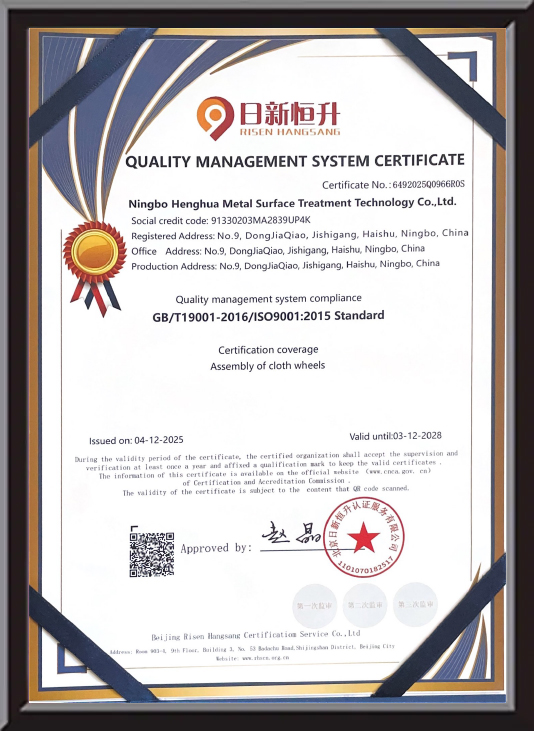
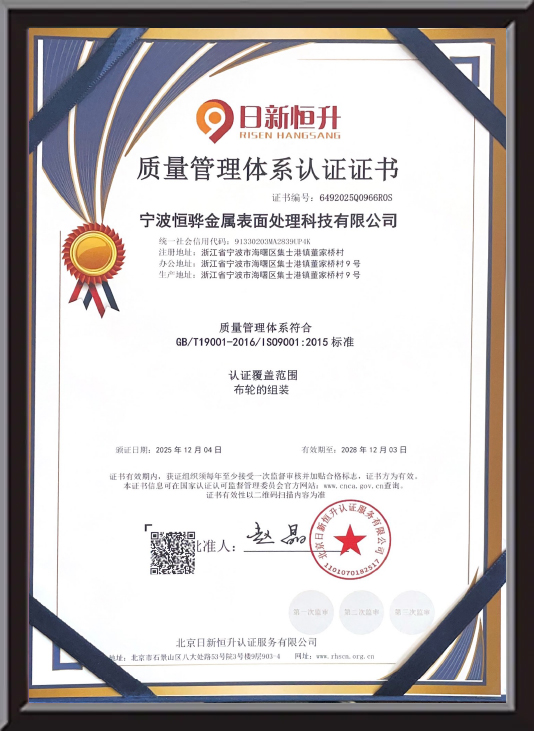
Certificate Of Honor
Message Feedback
Polishing Compound Industry Knowledge
A polishing compound is a formulated abrasive material used to remove surface defects, oxidation, and fine scratches from metal workpieces, producing a smooth, bright, or mirror finish. Also referred to as a buffing compound when applied in conjunction with rotating buffing wheels, these materials are a fundamental consumable in metal surface treatment across jewelry manufacturing, hardware processing, automotive parts production, sanitary ware finishing, and precision component fabrication. Selecting the correct compound grade and pairing it with the appropriate wheel type determines the efficiency of each polishing stage and the quality of the final surface.
How Polishing Compound Works
A polishing compound consists of three core components: abrasive particles, a binding agent (typically a wax or grease base), and chemical additives that improve cutting action or surface protection. When applied to a rotating buffing wheel, the compound transfers onto the wheel surface and is carried into contact with the metal workpiece at high speed.
The abrasive particles — most commonly aluminum oxide, silicon carbide, chromium oxide, or iron oxide — micro-abrade the metal surface, progressively leveling peaks and valleys in the surface profile. Coarser compounds remove deeper scratches and oxidation layers; finer compounds refine the surface to achieve satin, bright, or mirror finishes. In professional finishing workflows, two to three compound stages are typically used in sequence, moving from cutting to coloring to final glazing.
Key Advantages of Using the Right Buffing Compound
- Faster cycle time: A correctly matched buffing compound removes surface defects efficiently, reducing the number of passes and total processing time per part.
- Consistent finish quality: Standardized compound grades deliver repeatable surface results across production batches, critical for quality-controlled manufacturing environments.
- Extended wheel life: Proper compound application reduces dry friction between wheel and workpiece, protecting both the buffing wheel fibers and the abrasive compound from premature degradation.
- Broad material compatibility: Compound formulations are available for ferrous metals, stainless steel, aluminum, copper, brass, zinc alloy, and precious metals — covering virtually all industrial metal substrates.
- Low waste and cost efficiency: Bar and paste compound formats allow precise, controlled application, minimizing material waste relative to liquid or spray alternatives in high-volume production settings.
Common Polishing Compound Types and Their Applications
Different compound formulations are designed for specific metals and finishing stages. The table below outlines the most widely used types in industrial and jewelry polishing workflows:
| Compound Type | Color | Abrasive Grade | Suitable Metals | Finishing Stage |
|---|---|---|---|---|
| Brown / Black Bar | Brown / Black | Coarse | Steel, iron, hard alloys | Initial cutting, scratch removal |
| White Bar | White | Medium | Aluminum, stainless steel | Pre-mirror finishing |
| Green Bar | Green | Medium-Fine | Stainless steel, chrome | Bright finishing |
| Red Rouge | Red | Fine | Gold, silver, copper, brass | Final color buffing, mirror finish |
| Blue / Pink Bar | Blue / Pink | Very Fine | Precious metals, jewelry | High-gloss final finish |
Ningbo Henghua Metal Surface Treatment Technology Co., Ltd., established in 2016, specializes in the research, development, and production of polishing compounds and buffing compounds for the global manufacturing industry. With fully automatic production lines introduced in 2020 and an active distribution network spanning four continents, Henghua supplies consistent, precisely formulated compounds tailored to the specific requirements of hardware, sanitary ware, automotive, and jewelry production customers worldwide.
How to Apply Polishing Compound Correctly
Correct application technique directly affects both compound efficiency and finish quality. Follow these steps for consistent results:
- Bring the buffing wheel to operating speed before applying compound.
- Briefly contact the bar or paste compound against the rotating wheel face — 2 to 3 seconds is sufficient for most applications. Avoid over-loading.
- Apply the loaded wheel to the workpiece with consistent, moderate pressure. Allow the compound's abrasive action to do the work rather than forcing contact.
- Reapply compound at regular intervals — typically every 30 to 60 seconds of active polishing — to maintain cutting efficiency.
- Clean the workpiece thoroughly between compound stages to prevent cross-contamination of abrasive grades.
Frequently Asked Questions
Q1: What is the difference between a polishing compound and a buffing compound?
The terms are often used interchangeably, but in professional finishing practice, polishing compound typically refers to coarser-grade materials used for cutting and scratch removal, while buffing compound refers to finer-grade formulations used in later stages to develop color, brightness, and mirror finish. Both are abrasive compound products; the distinction lies in grit grade and the stage of the finishing sequence in which they are applied.
Q2: Can the same compound be used on different metals?
Some compound formulations — such as white bar compound — are versatile enough for use on multiple metals including aluminum and stainless steel. However, compounds used on ferrous metals should not be applied to non-ferrous metals like copper, brass, or precious metals, as metallic contamination can cause discoloration or surface defects. Dedicate wheels and compounds to specific metal types wherever possible.
Q3: How should polishing compounds be stored?
Store compound bars and pastes in a cool, dry environment away from direct sunlight and heat sources. Excessive heat softens wax-based compounds and alters their consistency, while moisture can cause paste compounds to separate or harden unevenly. Keep different compound grades in clearly labeled containers to prevent mixing during production.
Q4: How many compound stages are needed for a mirror finish?
For most metals, achieving a true mirror finish requires a minimum of two to three stages: an initial cutting stage with a coarse or medium compound to remove scratches and surface irregularities, followed by a coloring stage with a fine compound to develop brightness, and a final glazing stage with rouge or an ultra-fine buffing compound to produce a high-gloss mirror surface. Skipping stages or rushing transitions between them is the most common cause of inconsistent finish results.
Choosing the right polishing compound and applying it correctly is the foundation of any effective metal finishing process. Whether the goal is a functional satin finish on industrial hardware or a flawless mirror surface on decorative components, matching compound grade, metal type, and buffing wheel to each finishing stage ensures consistent, professional-quality results at every production scale.
Ningbo Henghua Metal Surface Treatment Technology Co., Ltd. has specialized in the R&D and production of polishing cloth wheels, polishing wax, liquid polishing wheels, and metal polishing paste.
Classification
Contact Info
-
[email protected]
[email protected]
[email protected] -
+86-13777066809
+86-574-88187397 - No.9, Xiaodongjiaqiao, Jishigang Town, Haishu District, Ningbo City, Zhejiang Province, China
Keep in Touch
Copyright © Ningbo Henghua Metal Surface Treatment Technology Co., Ltd. Polishing Compound Manufacturers Custom Buffing Compound All Rights Reserved.
