

 Español
 Deutsch
 عربى
عربى
Wind Wheel Manufacturers
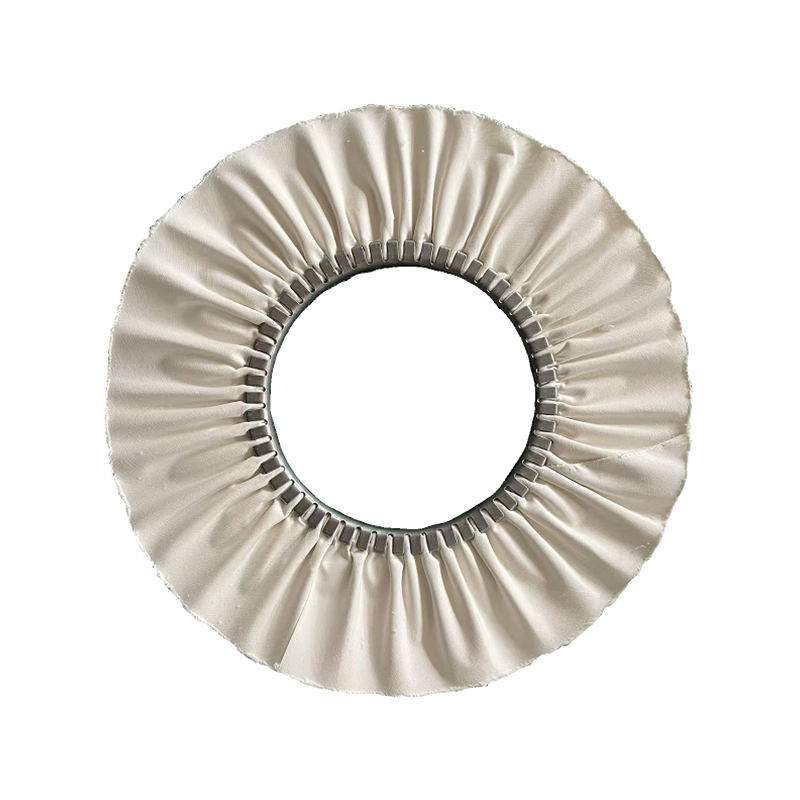
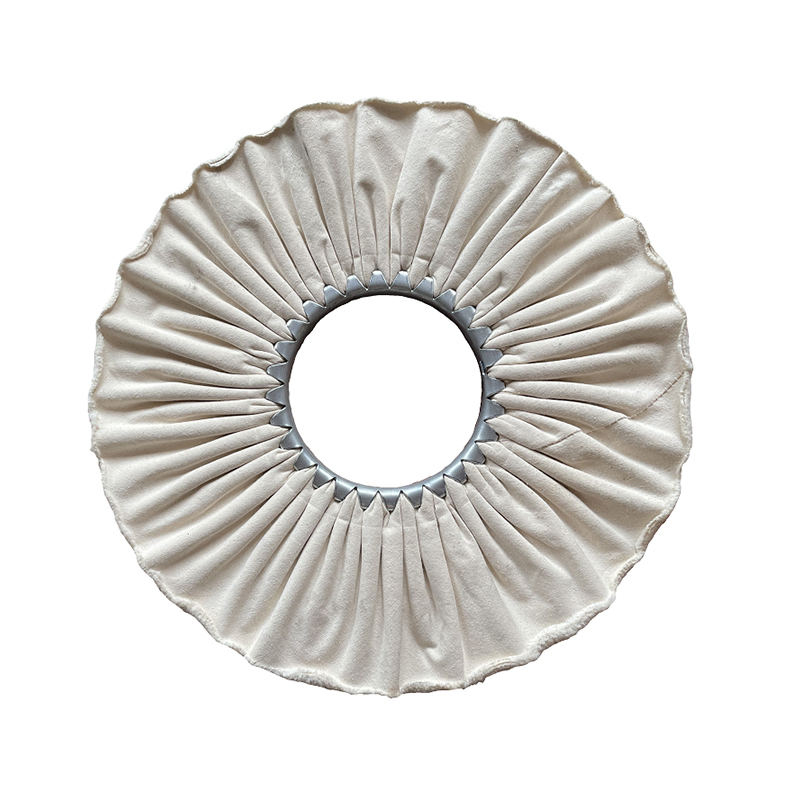
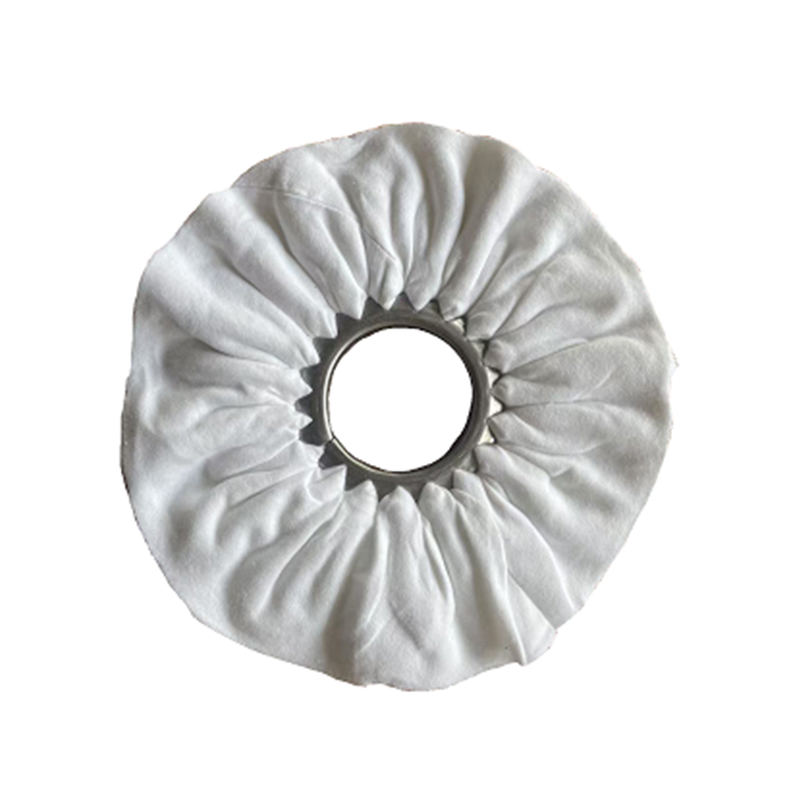
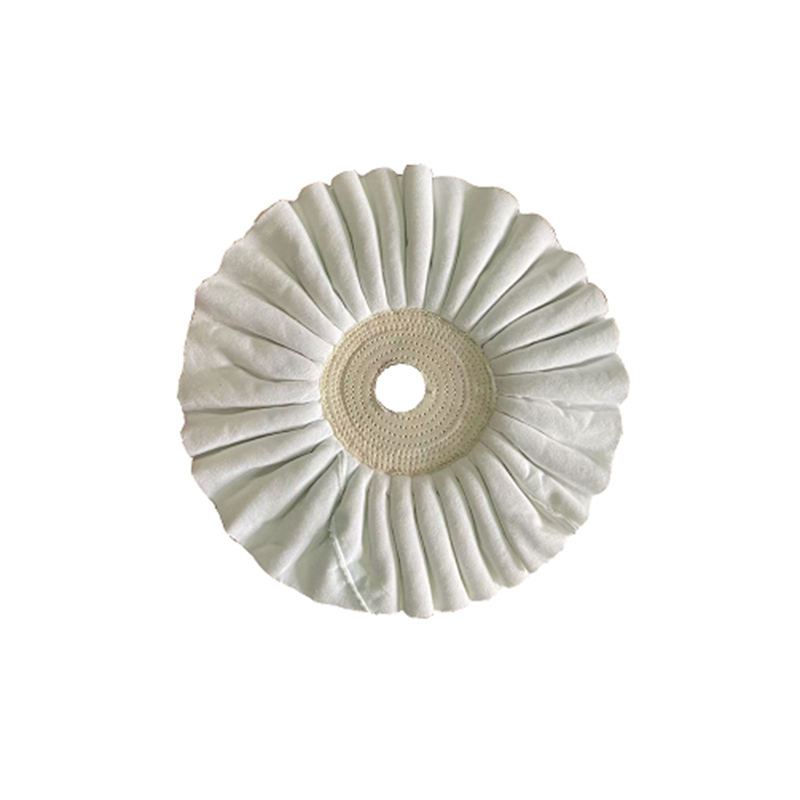
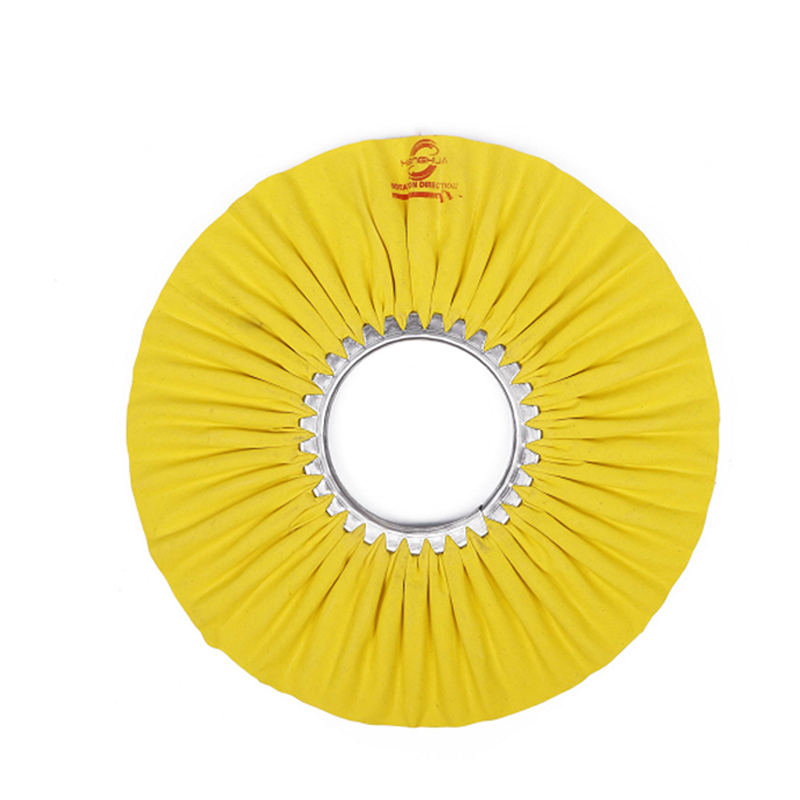
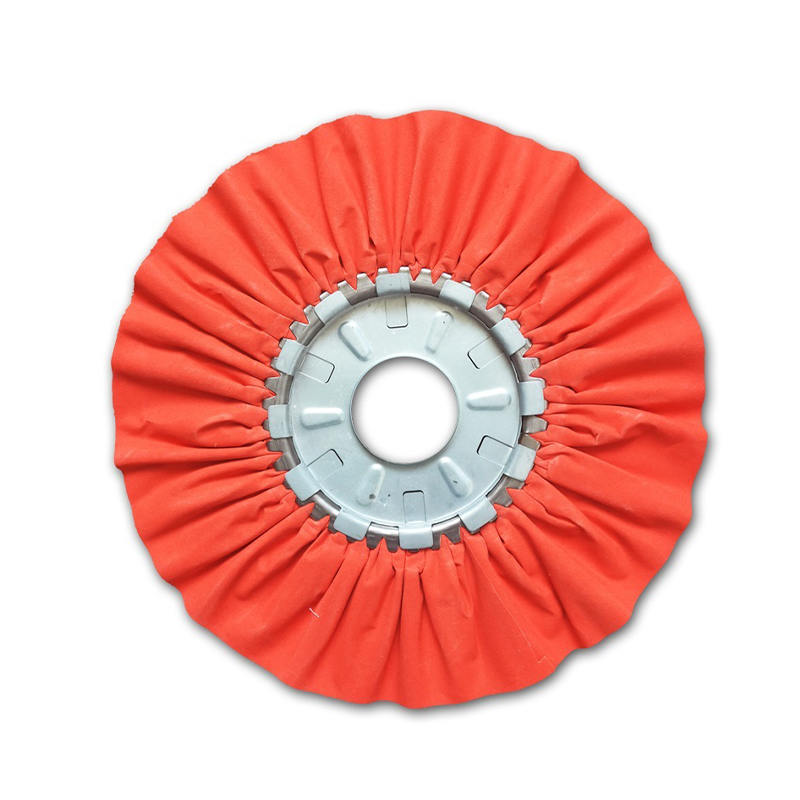
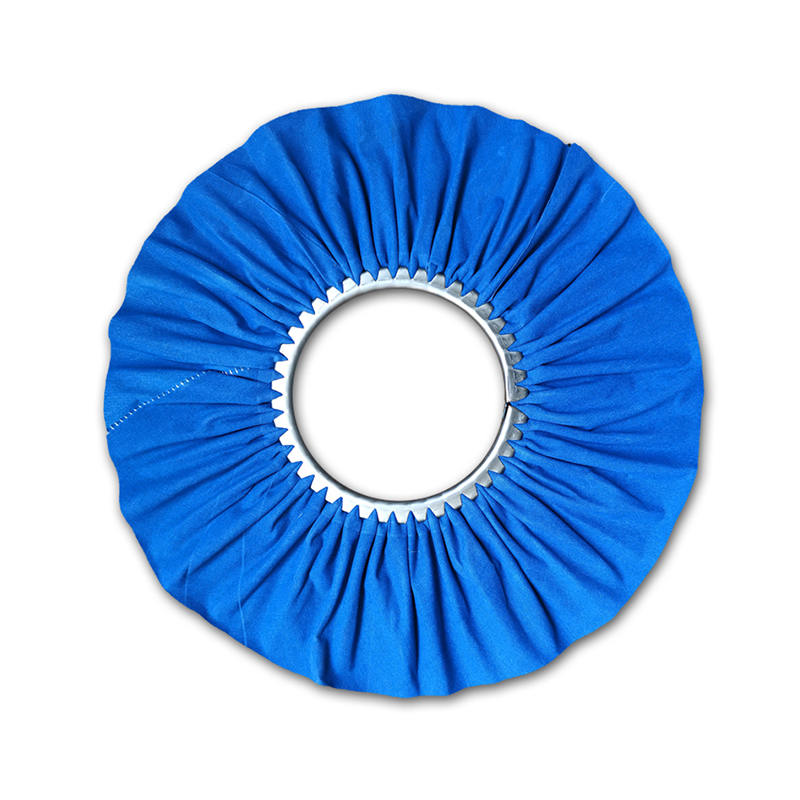
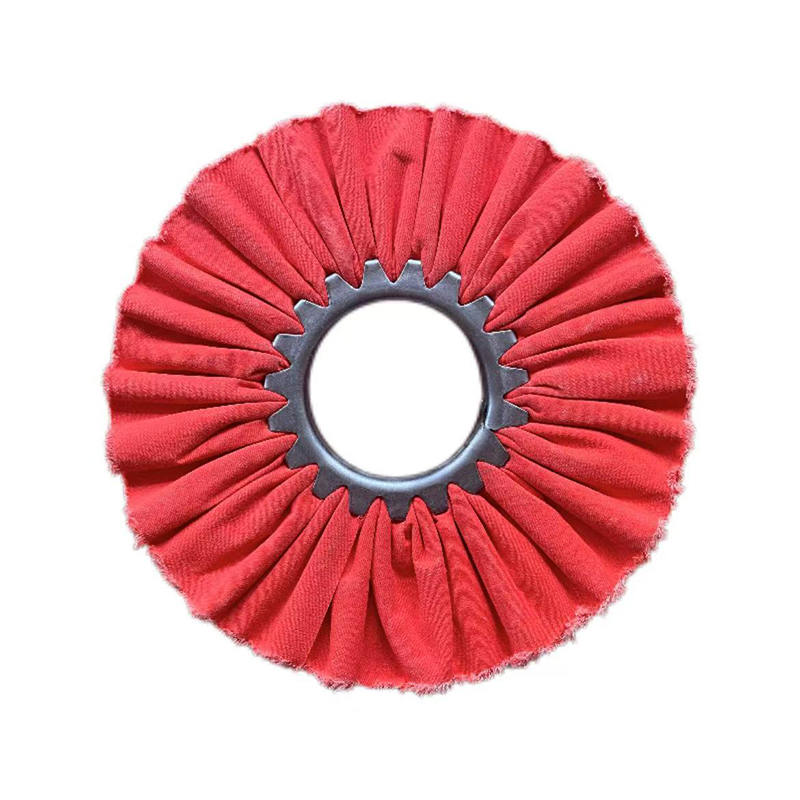
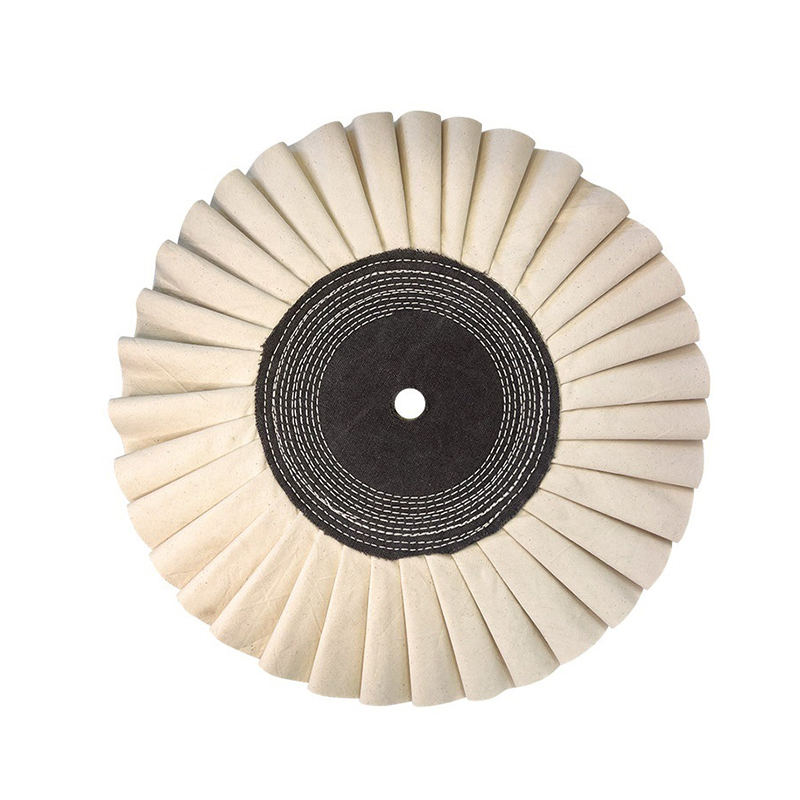
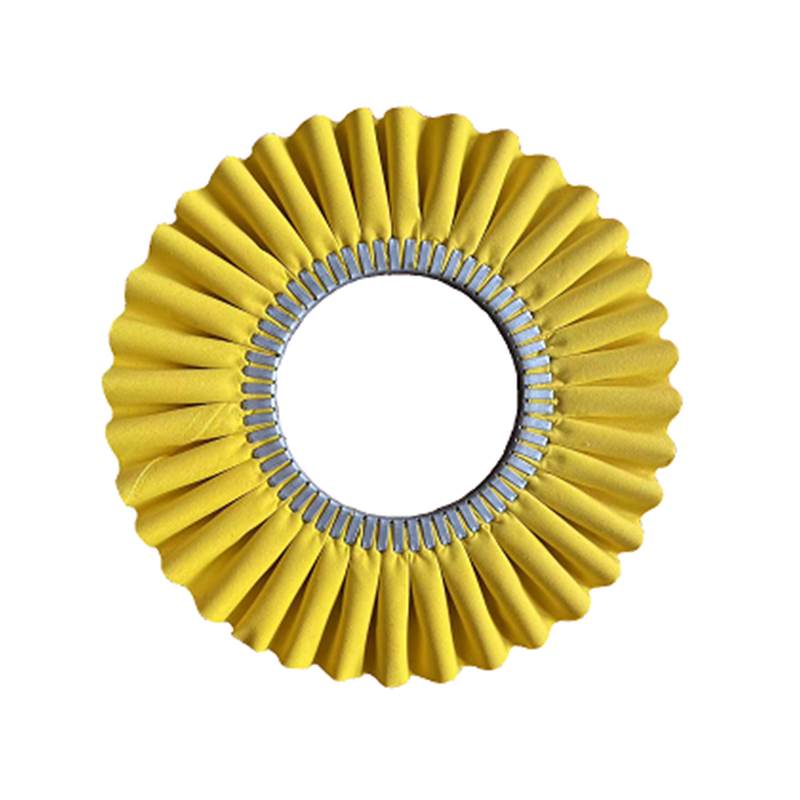
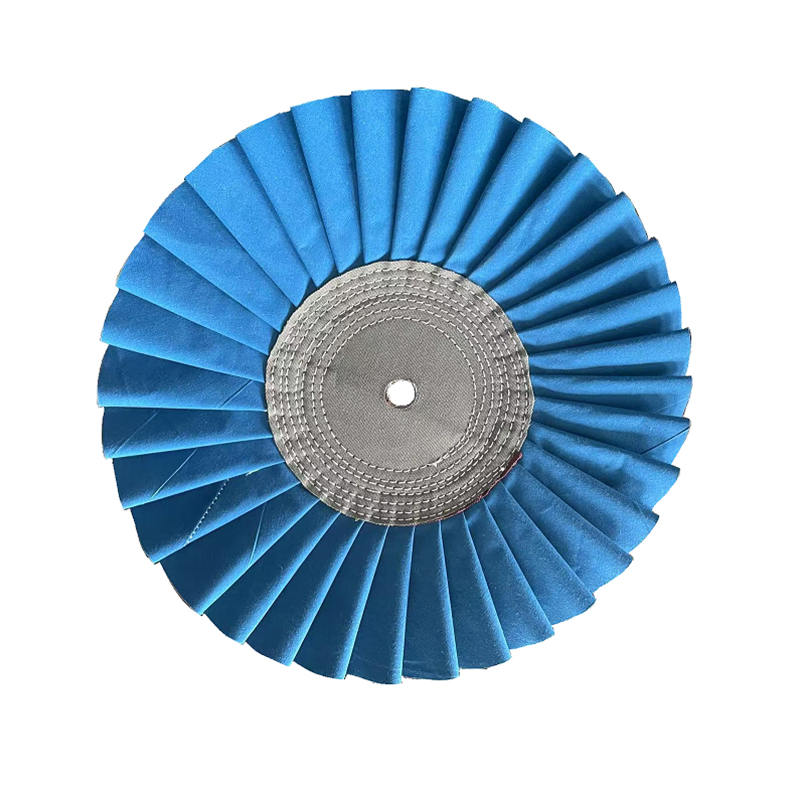
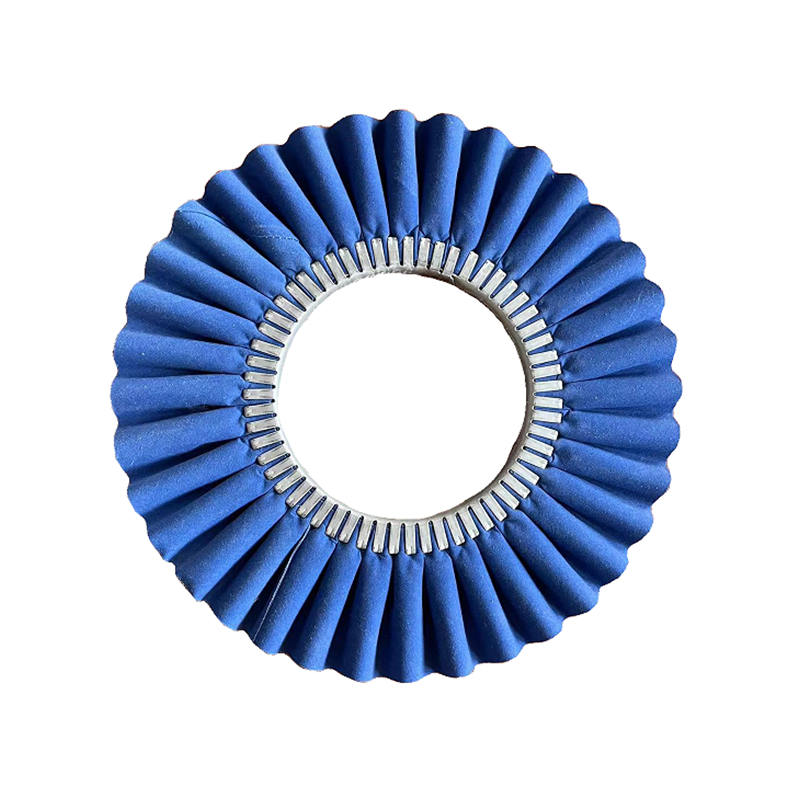
Cotton yarn woven from combed long-staple cotton is used to create a high-density warp and weft fabric. This fabric is then bias-cut according to its weave and extruded using a wind turbine to form a wind-blown cloth wheel. Its unique pleated structure rapidly dissipates heat from the product surface during polishing, making it particularly suitable for long-term continuous polishing of heat-sensitive materials. The open structure allows for better storage and release of polishing paste, ensuring full utilization of the polishing material. The fabric, treated with our specially developed paste, exhibits over 50% increased abrasion resistance and over 30% improved polishing efficiency. It is currently being used in large multinational automotive industries. This product is used in bulk by automotive parts manufacturers for polishing automotive aluminum trim strips, aluminum wheels, and other materials.
I. Core Applications: Compatible with polishing machines, primarily for fine polishing, brushing, and mirror finishing of metal workpieces. Suitable for stainless steel, copper, aluminum, alloys, and other materials. Used in hardware, auto parts, kitchen and bathroom products, jewelry, and handicrafts industries.
II. Core Advantages: Lightweight and elastic texture, scratch-free polishing, high gloss; good ventilation, does not burn workpieces during operation, low heat generation; can be used with polishing paste; suitable for fine polishing of curved/irregularly shaped parts; excellent durability.
About
Ningbo Henghua Metal Surface Treatment Technology Co., Ltd.
Ningbo Henghua Metal Surface Treatment Technology Co., Ltd. is located in Dongjiaqiao, Jishigang, Haishu District, Ningbo Bo City, Zhejiang Province, China. As a China industrial cotton buffing wheel suppliers, Henghua Metal Surface Treatment Technology Co., Ltd. provides various customized polishing materials. The company was established in 2016, with a plant area of 3,500 square meters, more than 10 sets of advanced cloth wheel production equipment, 2 fully automatic canning lines, and can customize the production of wind cloth wheels of various types and sizes. Ma wheel, polishing wax, chiye wheel, metal polishing paste and other products, customers are all over South America, the United States, Europe, the Middle East, etc. In recent years, the company has continuously innovated to improve the work efficiency of polishing materials, and has won the recognition of customers. Welcome customers in need to call to negotiate cooperation!
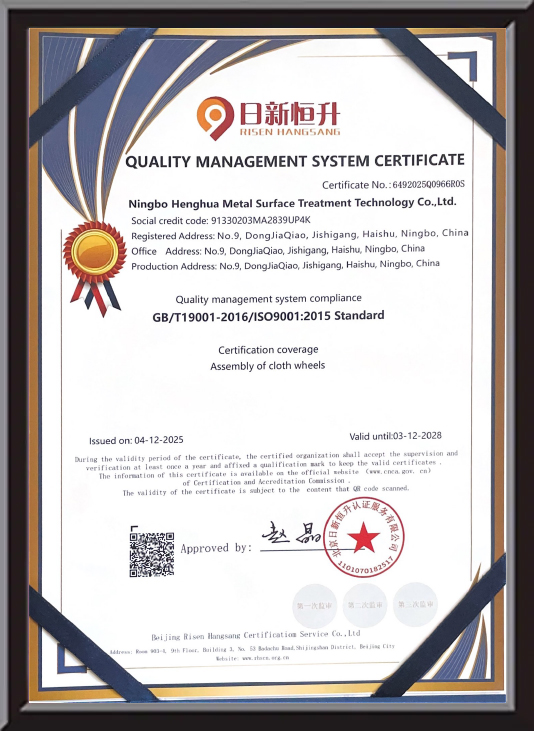
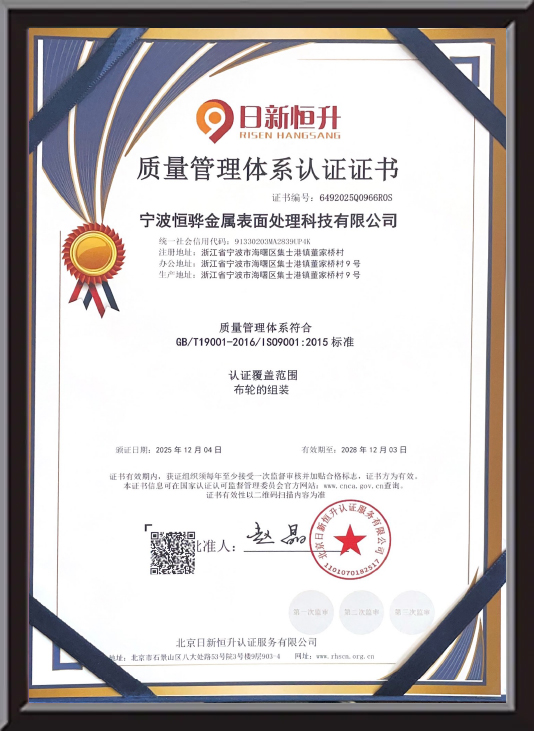
Certificate Of Honor
Message Feedback
Wind Wheel Industry Knowledge
A wind wheel — also commonly referred to as a loose-leaf buffing wheel or ventilated buffing wheel — is a high-performance polishing tool engineered for heat-sensitive metals and high-speed finishing operations. Unlike tightly sewn wheels, its open, free-flap construction allows air to circulate freely during rotation, dissipating heat at the workpiece surface and preventing thermal discoloration or warping. As an industrial cotton buffing wheel variant, the wind wheel is widely adopted in stainless steel, aluminum, brass, and copper finishing lines where both surface quality and thermal management are critical.
Key Advantages of the Wind Wheel in Industrial Finishing
The wind wheel's structural design addresses several limitations of conventional buffing wheels, making it the preferred choice for demanding production environments.
- Superior heat dissipation: The open-flap structure creates continuous airflow during rotation, keeping workpiece surface temperatures low and protecting sensitive finishes.
- Consistent surface contact: Individual cotton flaps conform naturally to curved, contoured, and irregular geometries, ensuring uniform polishing pressure across complex part profiles.
- High compound retention: The loose cotton layers absorb and hold polishing compound effectively, reducing reapplication frequency and improving finish consistency.
- Reduced burn risk: Ideal for metals prone to heat discoloration — including thin-gauge stainless steel, copper alloys, and anodized aluminum — where conventional wheel friction would cause surface damage.
- Long service life: The self-renewing flap surface wears gradually and evenly, maintaining polishing effectiveness throughout the wheel's operational lifespan.
How a Wind Wheel Works
The wind wheel consists of multiple layers of cotton fabric cut into individual segments and assembled loosely around a central hub. When mounted on a polishing spindle and rotated at operating speed — typically between 1,500 and 3,000 RPM — the flaps extend radially outward under centrifugal force, creating a soft but effective polishing surface.
As the wheel contacts the workpiece, the flaps flex and adapt to the surface contour while simultaneously channeling air between the fabric layers. This ventilation effect is the defining characteristic that distinguishes the wind wheel from standard sewn industrial cotton buffing wheels: heat generated by friction is continuously carried away rather than accumulating at the contact zone.
Polishing compound — typically a white, green, or blue finishing bar — is applied to the rotating wheel and carried into the flap structure. The combination of soft fabric action and fine abrasive compound produces a smooth, bright, or mirror finish depending on compound grade and contact duration.
Wind Wheel vs. Other Industrial Cotton Buffing Wheel Types
Selecting the right buffing wheel depends on the finishing stage, workpiece material, and required surface result. The table below compares common industrial cotton buffing wheel types:
| Wheel Type | Construction | Heat Control | Best For |
|---|---|---|---|
| Wind Wheel | Loose cotton flaps, open structure | Excellent | Mirror finishing, heat-sensitive metals |
| Sewn Cotton Wheel | Stitched concentric layers | Moderate | General buffing, harder metals |
| Spiral Sewn Wheel | Tightly spiral-stitched | Low | Aggressive cutting, pre-polishing |
| Flannel Wheel | Soft flannel fabric layers | Good | Final color buffing, jewelry |
Industrial Applications of the Wind Wheel
The wind wheel is deployed across a wide range of manufacturing sectors where surface finish quality directly impacts product value and downstream processing. Key application areas include:
- Stainless steel products: Kitchen sinks, cookware, handrails, and decorative panels requiring a bright or mirror finish without heat-induced discoloration.
- Sanitary ware and faucets: Final polishing of brass and zinc alloy bodies before electroplating, where surface uniformity is essential for plating adhesion.
- Aluminum profiles and die castings: Achieving consistent satin or mirror finishes on automotive trims, electronic enclosures, and architectural hardware.
- Copper and brass decorative components: Polishing lamp holders, musical instrument parts, and ornamental hardware to a high-luster finish.
Ningbo Henghua Metal Surface Treatment Technology Co., Ltd. has been supplying wind wheels and industrial cotton buffing wheels to manufacturers across four continents since launching its international operations in 2018. With a production base in the Yangtze River Delta industrial corridor and fully automatic production lines introduced in 2020, Henghua delivers consistent wheel quality and customized specifications to meet the exact requirements of global OEM and contract manufacturers.
Frequently Asked Questions
Q1: What is the difference between a wind wheel and a standard cotton buffing wheel?
The primary difference is construction. A standard industrial cotton buffing wheel has its layers sewn or stitched together, creating a firmer, denser surface. A wind wheel uses loose, unsewn flaps that ventilate during rotation, making it softer, cooler-running, and better suited for heat-sensitive surfaces and final mirror-finish stages.
Q2: Which polishing compounds are compatible with wind wheels?
Wind wheels work best with fine finishing compounds — white bar compound for aluminum and stainless steel, green compound for harder metals, and blue or pink compound for achieving high-gloss mirror results on non-ferrous metals. Coarse cutting compounds are generally not used with wind wheels, as they are better suited to earlier-stage sisal or tightly sewn cotton wheels.
Q3: Can wind wheels be used on CNC or automatic polishing equipment?
Yes. Wind wheels are fully compatible with automatic polishing machines and robotic polishing cells. When specifying for automated use, confirm bore diameter, maximum allowable RPM, and wheel thickness to ensure proper fit and balanced rotation. Most standard wind wheels are available in diameters from 100 mm to 400 mm to suit a range of machine configurations.
Q4: How should wind wheels be stored to maintain their performance?
Store wind wheels in a cool, dry environment away from direct sunlight and moisture. Avoid stacking heavy objects on top of the wheels, as compression can deform the flap structure and affect balance during operation. Wheels stored correctly in their original packaging retain their shape and polishing characteristics for extended periods.
Choosing the right wind wheel or industrial cotton buffing wheel is a practical decision that directly affects surface finish quality, production efficiency, and tooling cost per part. By matching wheel construction to your material, finish requirement, and process stage, manufacturers can achieve consistent, repeatable results across high-volume production runs.
Ningbo Henghua Metal Surface Treatment Technology Co., Ltd. has specialized in the R&D and production of polishing cloth wheels, polishing wax, liquid polishing wheels, and metal polishing paste.
Classification
Contact Info
-
[email protected]
[email protected]
[email protected] -
+86-13777066809
+86-574-88187397 - No.9, Xiaodongjiaqiao, Jishigang Town, Haishu District, Ningbo City, Zhejiang Province, China
Keep in Touch
Copyright © Ningbo Henghua Metal Surface Treatment Technology Co., Ltd. Wind Wheel Manufacturers Industrial Cotton Buffing Wheel Suppliers All Rights Reserved.
