

 Español
 Deutsch
 عربى
عربى
Standard Flat-plane Wind Wheel Factory
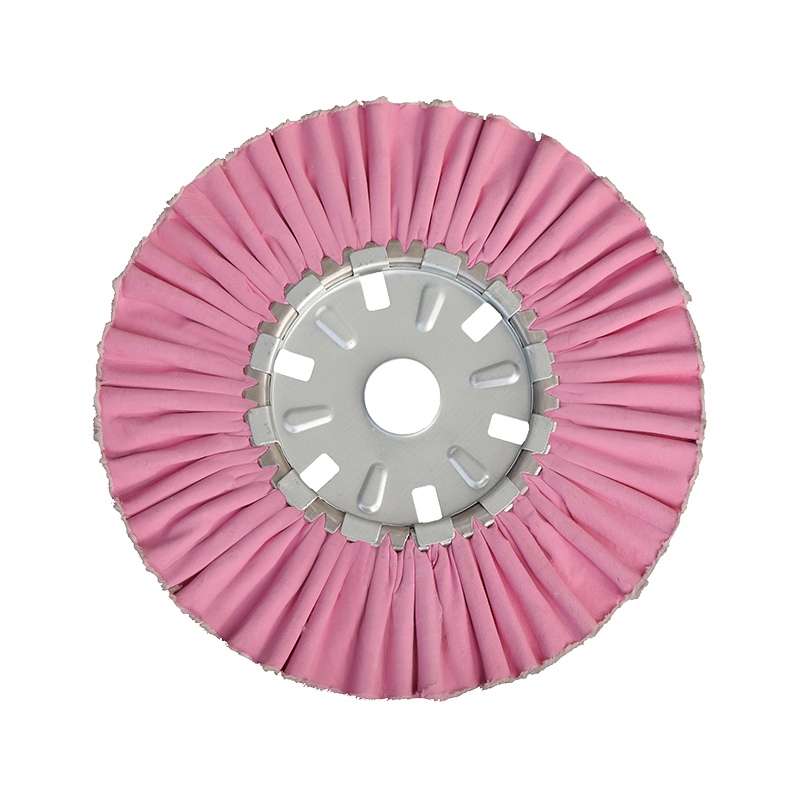
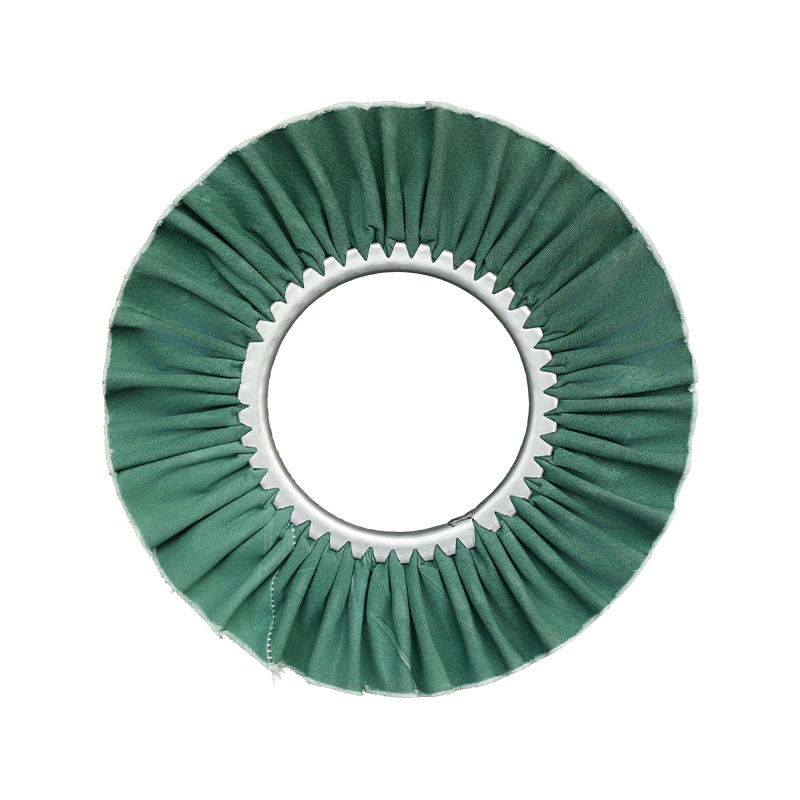
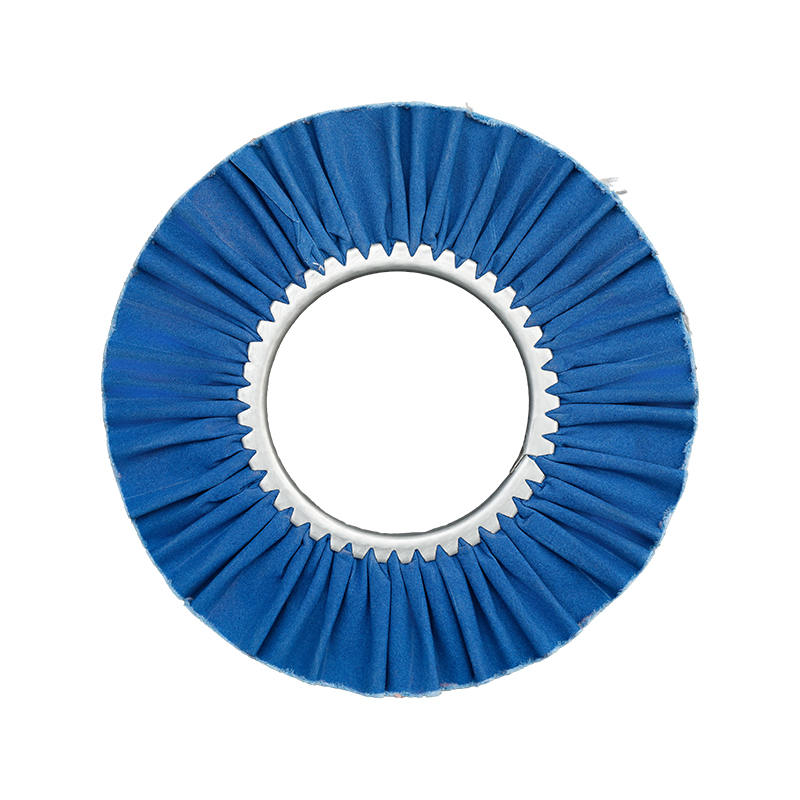
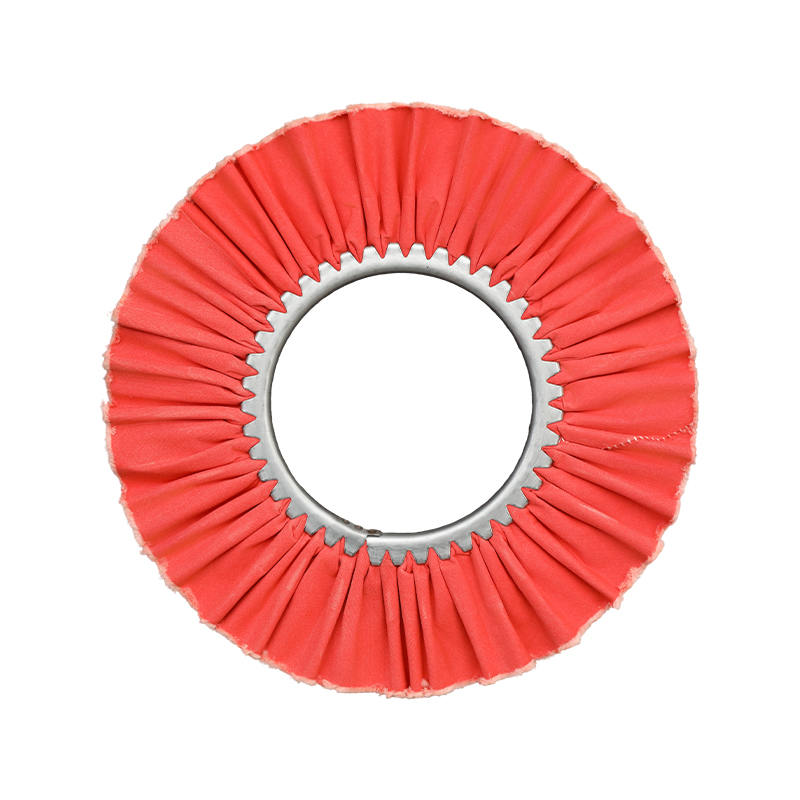
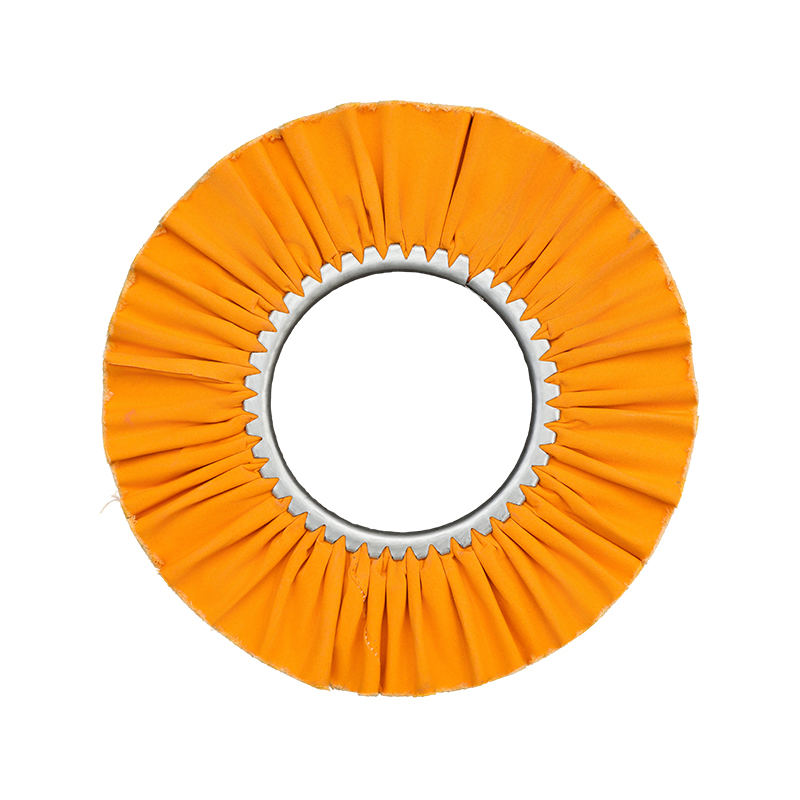
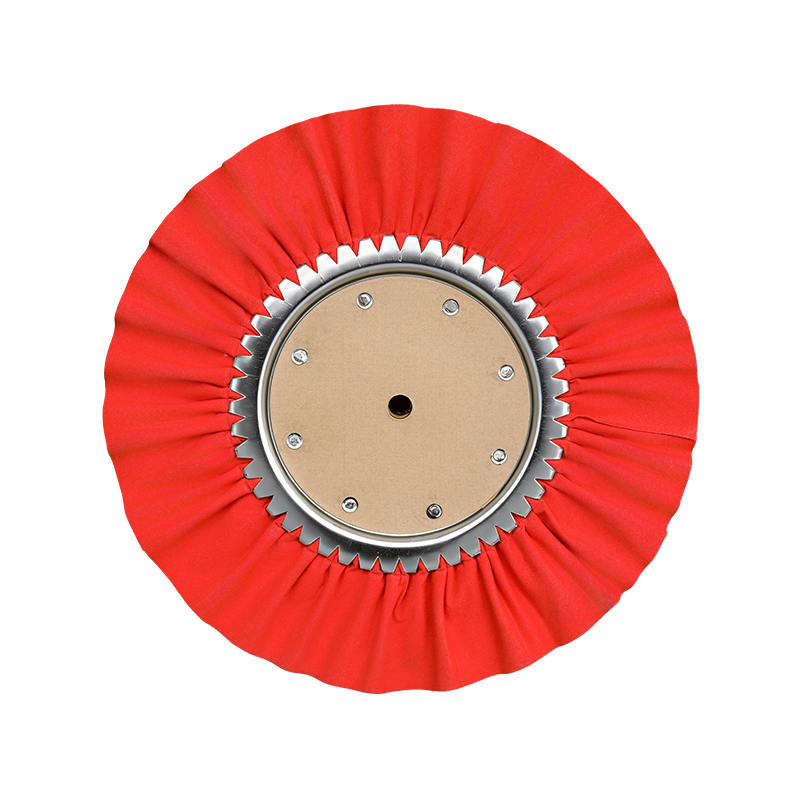
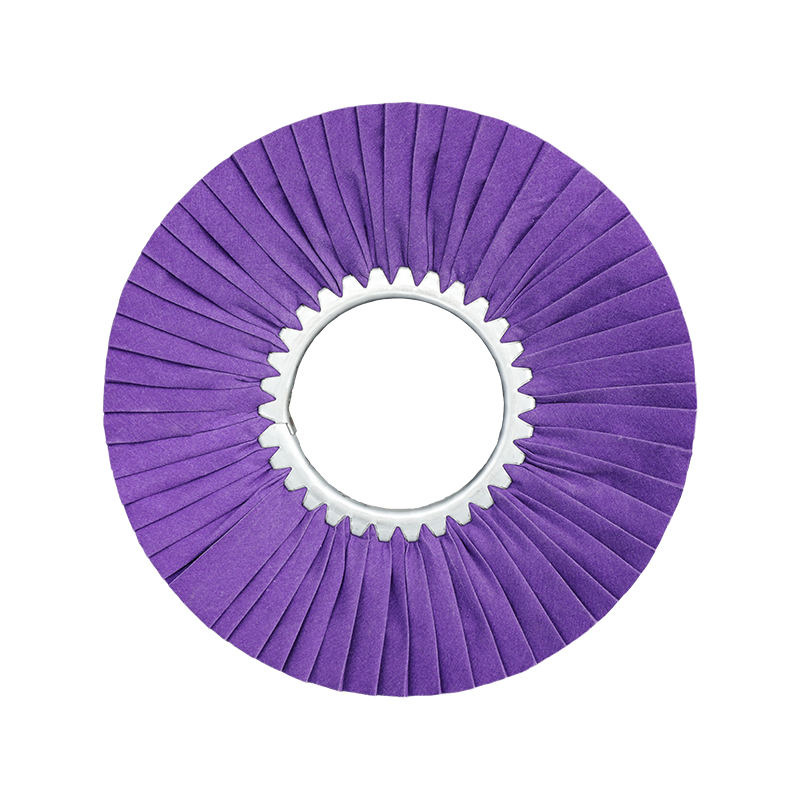
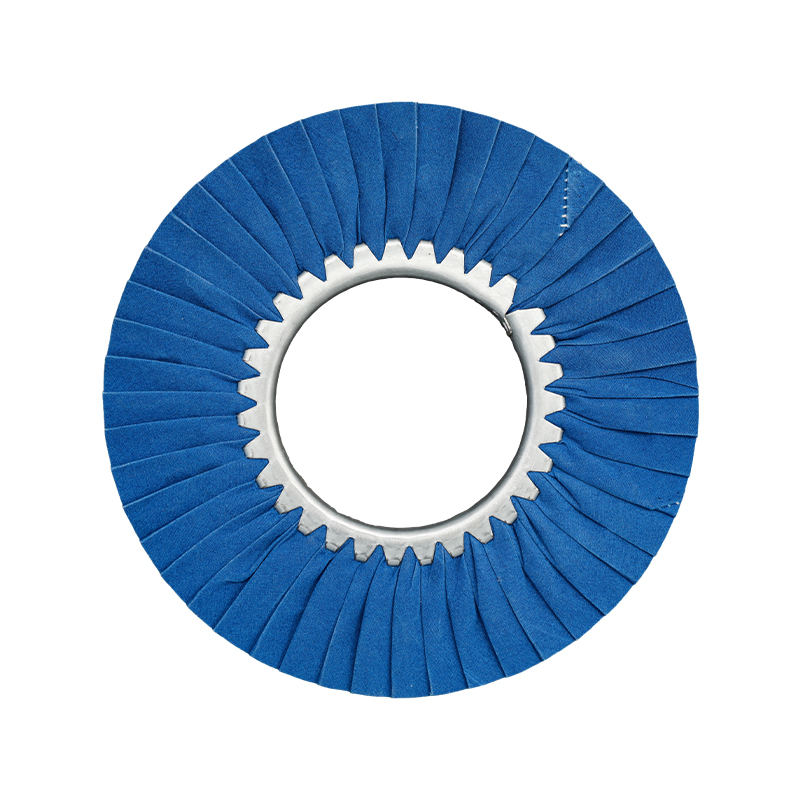
The Standard Flat-plane Wind Wheel turbine is the most well-known and widely used polishing tool in the metal surface finishing industry. This polishing wheel combines versatility and durability, with a unique ventilation design that promotes airflow and keeps workpieces cool even at high speeds. It is ideal for large-scale surface finishing.
Key Features:
Universal Standard: As an industry standard, this polishing wheel is compatible with virtually all benchtop grinders and polishing machines. It is an essential piece of equipment in workshops and factories worldwide.
Comprehensive Size Range: To meet a wide range of industrial needs, we offer a complete range of sizes. Diameters range from 80 mm to 1000 mm, suitable for a variety of applications from precision small parts to the machining of large sheet metal.
Superior Airflow: The ventilation design prevents workpiece overheating and scorching, ensuring high-quality surface finishes while extending the polishing wheel's lifespan.
Economical and Cost-Effective: Highly efficient and durable, ideal for high-volume production lines.
Applications:
· Flat polishing and satin polishing.
· Removal of scratches, oxides, and minor imperfections.
• Pre-polishing for stainless steel, aluminum, and iron before mirror polishing.
• Specifications (wholesale available)
• Diameter range: 80mm, 100mm, 150mm…up to 1000mm
• Material: High-quality cotton/sisal (customizable)
• Inner bore: Customizable to machine shaft size
We specialize in the production and export of industrial polishing consumables. Whether you need small polishing wheels for hardware polishing or large 1000mm polishing wheels for sheet metal processing, we can meet your order requirements.
About
Ningbo Henghua Metal Surface Treatment Technology Co., Ltd.
Ningbo Henghua Metal Surface Treatment Technology Co., Ltd. is located in Dongjiaqiao, Jishigang, Haishu District, Ningbo Bo City, Zhejiang Province, China. As a China Standard Flat-plane Wind Wheel suppliers, Henghua Metal Surface Treatment Technology Co., Ltd. provides various customized polishing materials. The company was established in 2016, with a plant area of 3,500 square meters, more than 10 sets of advanced cloth wheel production equipment, 2 fully automatic canning lines, and can customize the production of wind cloth wheels of various types and sizes. Ma wheel, polishing wax, chiye wheel, metal polishing paste and other products, customers are all over South America, the United States, Europe, the Middle East, etc. In recent years, the company has continuously innovated to improve the work efficiency of polishing materials, and has won the recognition of customers. Welcome customers in need to call to negotiate cooperation!
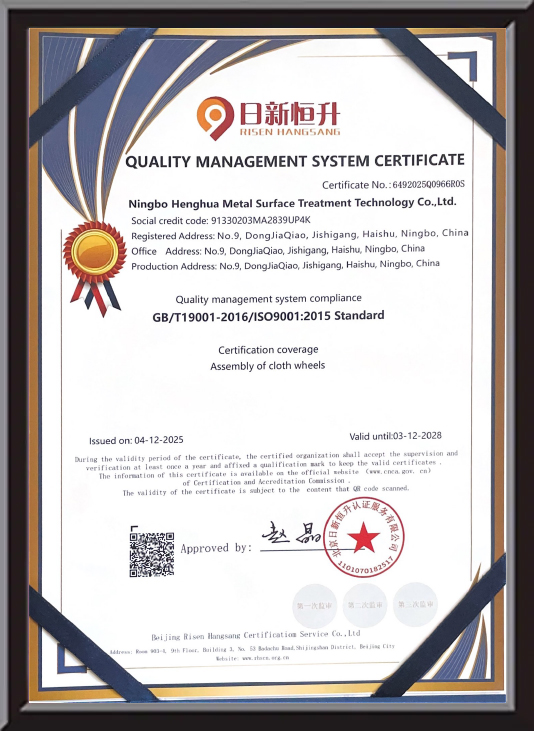
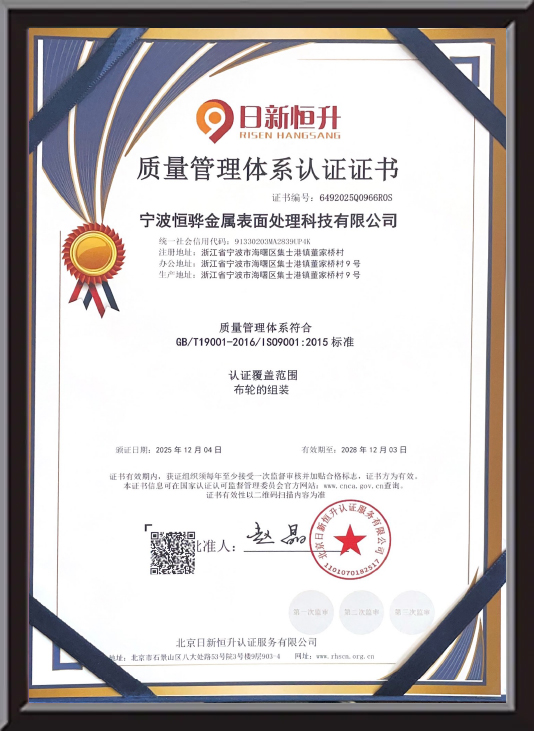
Certificate Of Honor
Message Feedback
Standard Flat-plane Wind Wheel Industry Knowledge
A Standard Flat-plane Wind Wheel is a pneumatically driven abrasive tool characterized by its flat, disc-shaped profile and radially arranged cloth or abrasive segments. Unlike contoured or tapered wheel designs, the flat-plane configuration ensures uniform contact pressure across a wide, even surface area, making it the preferred choice for large flat workpieces, weld seam finishing, and scale removal on metal sheets.
This tool is a core product category in industrial metal surface treatment, widely used in stainless steel fabrication, automotive body panels, structural steel processing, and precision sheet metal workshops. Its standardized geometry allows for consistent, repeatable results across high-volume production lines.
Core Advantages of the Standard Flat-plane Wind Wheel
- Uniform surface coverage: The flat-plane design distributes contact force evenly, eliminating the pressure hotspots common with curved or conical wheels and reducing the risk of surface gouging.
- High material removal rate: Operating at 4,000–8,000 RPM, the standard flat-plane wind wheel can remove oxidation layers, mill scale, and weld discoloration up to 3× faster than manual grinding methods.
- Standardized dimensions: Available in common diameters of 100 mm, 125 mm, and 150 mm, these wheels are compatible with most pneumatic angle grinders and polishing machines without additional adapters.
- Versatile grit range: From coarse (P40–P80) for aggressive stock removal to fine (P240–P400) for pre-polishing preparation, the flat-plane wind wheel accommodates multiple finishing stages.
- Reduced operator fatigue: The flat geometry requires less corrective tool angle adjustment during use, lowering cumulative wrist and arm strain in continuous production shifts.
- Cost efficiency: Standardized manufacturing processes keep unit costs competitive, and the even wear pattern of the flat-plane design extends usable life compared to irregular-profile wheels.
How a Standard Flat-plane Wind Wheel Works
The Standard Flat-plane Wind Wheel operates through compressed-air rotation combined with the abrasive action of its flat working face. Compressed air at 0.5–0.7 MPa drives the pneumatic motor, spinning the wheel at high speed. The flat disc face—composed of layered abrasive cloth, non-woven fabric, or composite segments—makes perpendicular contact with the workpiece surface.
As the wheel rotates, abrasive grains on the flat face shear away surface irregularities in a controlled, planar cutting motion. This flat-on-flat contact geometry is fundamentally different from edge-grinding, as it prevents dig-in and maintains a consistent finishing plane across the entire treated area.
Recommended Operating Steps
- Mount the wheel securely and verify the rated RPM matches the pneumatic tool's output speed.
- Set air supply pressure to the recommended range (0.5–0.7 MPa) and check for stable airflow.
- Apply the flat face of the wheel to the workpiece at a 0°–5° angle to maximize surface contact.
- Move the tool in overlapping straight passes to ensure uniform coverage and avoid localized over-grinding.
- Progress through finer grit grades sequentially to achieve the target surface finish specification.
Standard Flat-plane Wind Wheel: Specification Overview
| Diameter | Grit Range | Max RPM | Typical Application |
|---|---|---|---|
| 100 mm | P40–P120 | 8,000 | Weld cleanup, rust removal on small panels |
| 125 mm | P60–P240 | 6,500 | Stainless steel sheet finishing, general grinding |
| 150 mm | P80–P400 | 5,000 | Large flat surface pre-polishing, structural steel |
Industry Applications and Use Cases
The Standard Flat-plane Wind Wheel is deployed across a broad range of manufacturing sectors. Ningbo Henghua Metal Surface Treatment Technology Co., Ltd. has supplied these wheels to customers across four continents, supporting diverse finishing requirements in real-world production environments.
- Stainless steel fabrication: Achieving consistent No. 4 brushed or 2B finishes on kitchen equipment, elevator panels, and architectural cladding.
- Automotive manufacturing: Pre-treatment of body panels and chassis components prior to painting or coating, where surface Ra values must meet Ra ≤ 0.8 μm.
- Structural steel processing: Mill scale and oxidation removal from I-beams, flat bars, and plate steel before anti-corrosion coating application.
- Shipbuilding and offshore: Large-area surface preparation on deck plating and hull sections, where flat-plane tools offer speed and consistency over complex toolpath programming.
Frequently Asked Questions
Q1: What distinguishes a Standard Flat-plane Wind Wheel from a flap disc?
While both are flat abrasive tools, a flap disc uses overlapping abrasive flaps arranged around a central hub, whereas the Standard Flat-plane Wind Wheel uses a solid or segmented flat face. The flat-plane design provides more consistent surface contact and is better suited for finish-critical flat surfaces, while flap discs are preferred for aggressive blending on edges and welds.
Q2: Can the Standard Flat-plane Wind Wheel be used on aluminum?
Yes, but grit selection is critical. For aluminum, use silicon carbide or ceramic abrasive versions at reduced speeds (3,000–5,000 RPM) to prevent loading of the abrasive face. Applying a small amount of cutting wax to the wheel face also reduces aluminum buildup and extends wheel life significantly.
Q3: How should a Standard Flat-plane Wind Wheel be stored?
Store wheels horizontally in a dry environment at temperatures between 5°C and 35°C, away from direct sunlight and moisture. Avoid stacking heavy objects on top of stored wheels, as compression deformation of the flat face reduces performance consistency. Most manufacturers recommend a maximum shelf life of 3 years from the production date under proper storage conditions.
Q4: What safety checks are required before use?
Before each use, inspect the wheel for cracks, delamination, or uneven wear on the flat face. Confirm the wheel's maximum rated RPM is equal to or higher than the tool's free speed. Always perform a 30-second idle run test after mounting, and ensure all operators wear face shields, gloves, and hearing protection throughout operation.
Ningbo Henghua Metal Surface Treatment Technology Co., Ltd. has specialized in the R&D and production of polishing cloth wheels, polishing wax, liquid polishing wheels, and metal polishing paste.
Classification
Contact Info
-
[email protected]
[email protected]
[email protected] -
+86-13777066809
+86-574-88187397 - No.9, Xiaodongjiaqiao, Jishigang Town, Haishu District, Ningbo City, Zhejiang Province, China
Keep in Touch
Copyright © Ningbo Henghua Metal Surface Treatment Technology Co., Ltd. Standard Flat-plane Wind Wheel Factory Standard Flat-plane Wind Wheel Suppliers All Rights Reserved.
