

 Español
 Deutsch
 عربى
عربى
About
Ningbo Henghua Metal Surface Treatment Technology Co., Ltd.
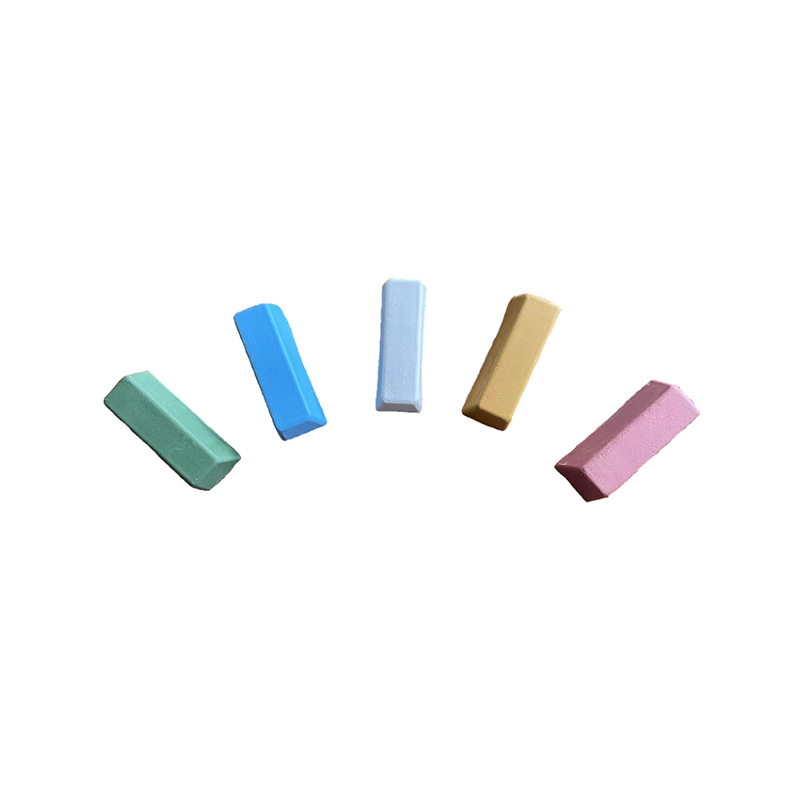
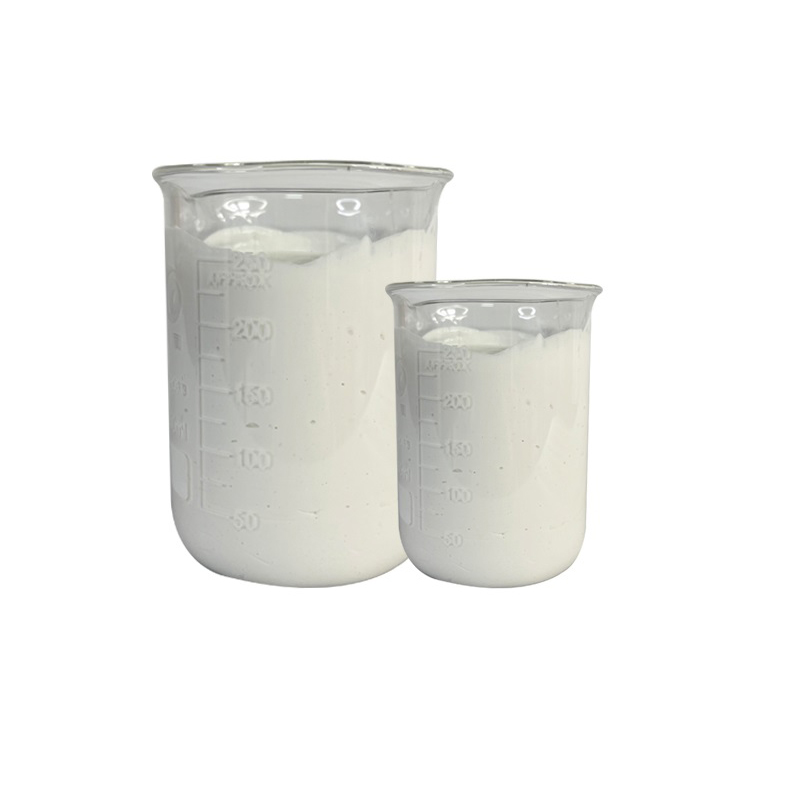
Ningbo Henghua Metal Surface Treatment Technology Co., Ltd. is located in Dongjiaqiao, Jishigang, Haishu District, Ningbo Bo City, Zhejiang Province, China. As a China polishing Wheel, polishing compound and polishing materials factory, Henghua Metal Surface Treatment Technology Co., Ltd. provides various customized polishing materials. The company was established in 2016, with a plant area of 3,500 square meters, more than 10 sets of advanced cloth wheel production equipment, 2 fully automatic canning lines, and can customize the production of wind cloth wheels of various types and sizes. Ma wheel, polishing wax, chiye wheel, metal polishing paste and other products, customers are all over South America, the United States, Europe, the Middle East, etc. In recent years, the company has continuously innovated to improve the work efficiency of polishing materials, and has won the recognition of customers. Welcome customers in need to call to negotiate cooperation!
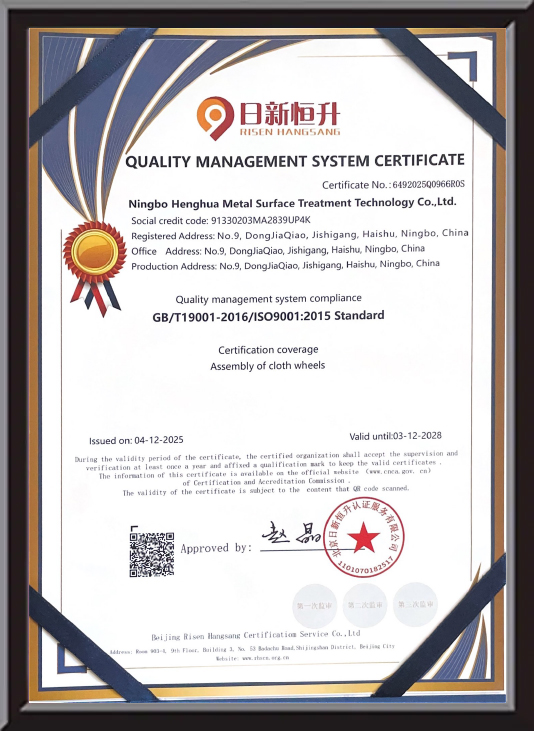
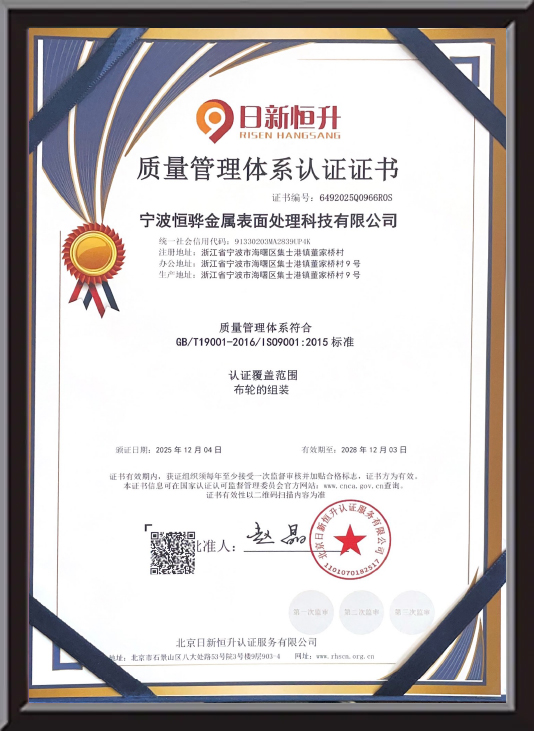
Certificate Of Honor
Message Feedback
Products Industry Knowledge
A polishing wheel is the core tool in any metal surface finishing process — but its performance depends entirely on the polishing compound paired with it and the broader selection of polishing materials matched to the workpiece and finish target. Together, these three elements form a complete system that determines whether the final surface meets optical, functional, or decorative specifications. This page covers how each component works, the advantages of a well-matched polishing system, and answers to the most common questions from manufacturing buyers and engineers.
How a Polishing Wheel Works
A polishing wheel operates by rotating at high speed while its surface — typically cloth, sisal, felt, or a composite fiber — carries an abrasive polishing compound against the workpiece. The abrasive particles in the compound perform micro-cutting: they remove microscopic surface irregularities left by grinding or machining, progressively reducing surface roughness (Ra value) until the target finish is achieved.
The process typically runs in two or three stages. A cutting compound on a sisal or spiral-sewn wheel removes coarser scratches first; a finishing compound on a softer cloth wheel then refines the surface to a mirror or satin finish. Wheel hardness, rotation speed (typically between 1,200 and 3,600 RPM depending on material), and compound abrasive grade are calibrated together to match the target Ra specification for each substrate.
Key Advantages of a Matched Polishing Materials System
- Consistent surface finish quality: Pairing the correct polishing wheel type with a purpose-formulated compound reduces Ra variance across batches, which is critical for decorative hardware, medical instruments, and food-contact components.
- Reduced processing steps: A well-matched polishing material system can consolidate three grinding stages into two polishing passes, cutting cycle time by up to 30% on high-volume production lines.
- Lower consumable cost per part: Correct compound-to-wheel matching prevents premature wheel wear and compound waste, extending wheel service life and reducing cost per polished piece.
- Environmentally compatible formulations: Modern polishing compounds designed for water-soluble or low-VOC applications reduce workshop air pollution and comply with export market environmental standards.
Polishing Wheel Types and Their Applications
Selecting the right wheel construction is the first decision in any polishing materials specification. The table below summarizes the most common wheel types and their recommended use cases.
| Wheel Type | Material | Best Application | Typical Compound Grade |
|---|---|---|---|
| Sisal Wheel | Natural sisal fiber | Heavy cutting on steel, iron castings | Coarse / Medium cutting compound |
| Spiral Sewn Cloth | Cotton muslin, sewn layers | Intermediate cutting on brass, aluminum | Medium cutting compound |
| Loose Fold Cloth | Soft cotton, loose construction | Final color buffing, mirror finish | Fine finishing / color compound |
| Felt Wheel | Compressed wool felt | Optical surfaces, flat precision parts | Ultra-fine polishing compound |
Polishing Compound Formulation and Selection
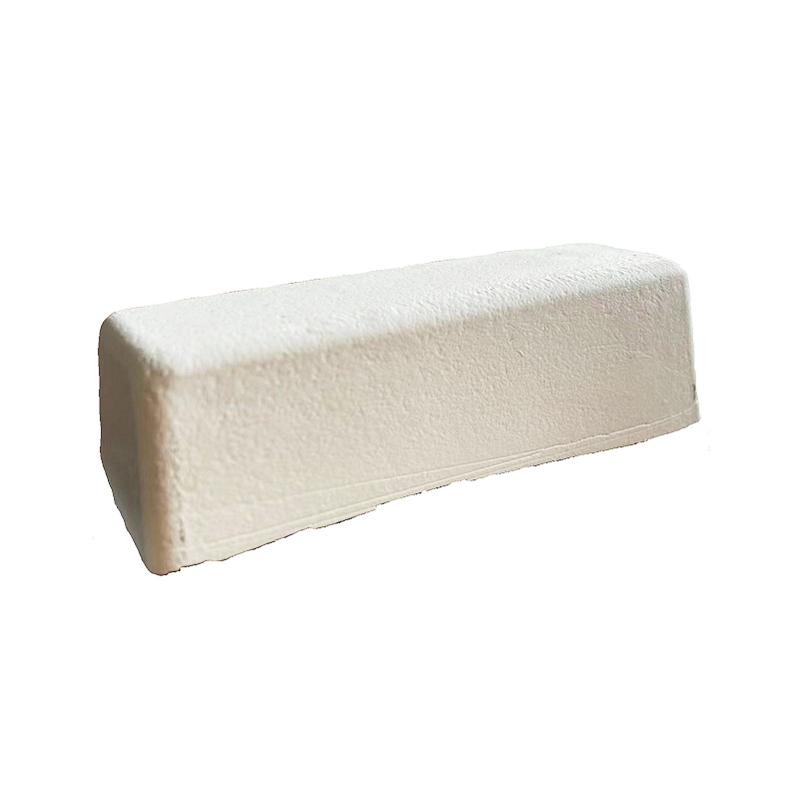
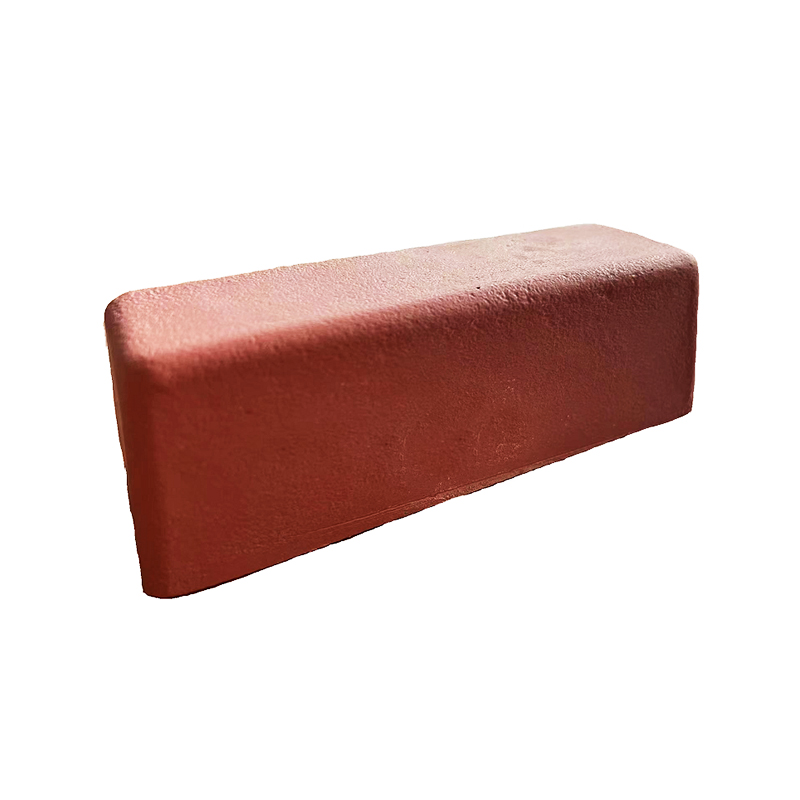
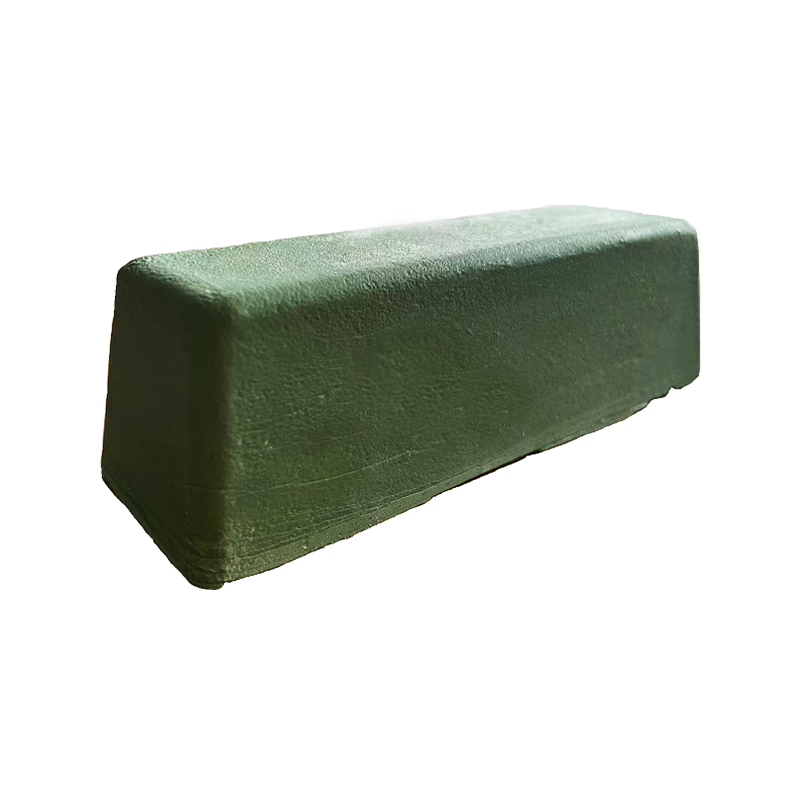
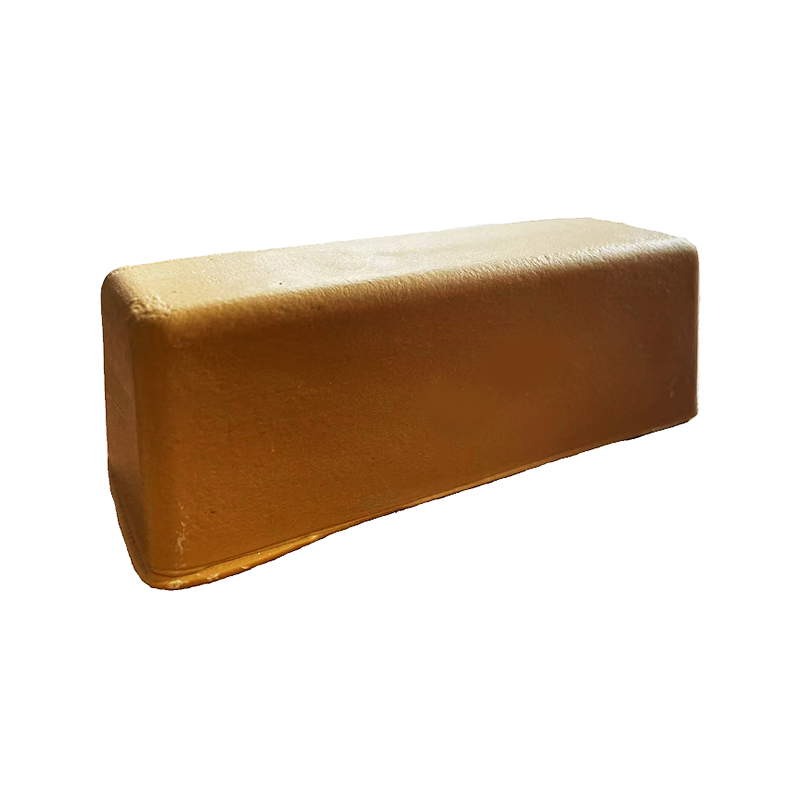
A polishing compound consists of abrasive particles (typically aluminum oxide, chromium oxide, or silicon carbide), a binder (grease, wax, or water-soluble base), and performance additives that control heat generation and surface lubrication during cutting. The abrasive particle size — measured in microns — directly determines the level of surface scratch removal and the final Ra value achievable.
Ningbo Henghua Metal Surface Treatment Technology Co., Ltd., established in 2016, has been dedicated to the research, development, and innovation of polishing compounds and related polishing materials tailored for the global manufacturing industry. Through continuous process investment — including the introduction of fully automatic canning production lines in 2020 — the company ensures batch-to-batch abrasive consistency, which directly reduces surface finish variance on high-volume production lines.
For substrate matching, the general rule is: harder metals require harder abrasives at lower speeds, while soft non-ferrous metals (aluminum, brass, copper) perform better with softer abrasive grades at moderate speed to avoid material pickup on the wheel surface.
Frequently Asked Questions
Q1: Can I use the same polishing compound on different metals?
Not reliably. Each metal substrate has a different hardness and thermal sensitivity. A compound formulated for stainless steel contains harder abrasive particles that can scratch soft aluminum and leave residue in brass pores. For mixed-material production lines, use substrate-specific compounds and dedicate separate polishing wheels to each material to prevent cross-contamination.
Q2: How do I know when a polishing wheel needs to be replaced?
Key indicators include: reduced cutting rate (longer cycle time for the same Ra target), visible glazing of the wheel surface where compound no longer loads properly, uneven surface finish on the workpiece, or measurable wheel diameter reduction beyond 20% of original size. Glazed wheels can sometimes be restored by raking the surface with a wheel dresser, but severely worn wheels should be replaced rather than dressed repeatedly.
Q3: What is the difference between a cutting compound and a finishing compound?
A cutting compound contains coarser abrasive particles (typically 20–80 micron range) designed to remove scratches, machining marks, and oxidation quickly. A finishing compound (also called a color or buffing compound) uses much finer particles (under 10 microns) to refine the surface left by the cutting stage into a mirror or high-gloss finish. Using only a finishing compound on a heavily scratched surface will not produce a mirror result — the cutting stage cannot be skipped.
Q4: Are water-soluble polishing compounds suitable for automated production lines?
Yes, and they are increasingly preferred for automated lines due to easier part cleaning, lower VOC emissions, and compatibility with water-based post-process cleaning systems. The trade-off is slightly shorter compound life on the wheel compared to wax-based formulations in low-humidity environments. For high-volume automated polishing, water-soluble polishing compounds with corrosion-inhibitor additives are recommended to prevent flash rust on ferrous substrates between processing and washing stages.
Ningbo Henghua Metal Surface Treatment Technology Co., Ltd. has specialized in the R&D and production of polishing cloth wheels, polishing wax, liquid polishing wheels, and metal polishing paste.
Classification
Contact Info
-
[email protected]
[email protected]
[email protected] -
+86-13777066809
+86-574-88187397 - No.9, Xiaodongjiaqiao, Jishigang Town, Haishu District, Ningbo City, Zhejiang Province, China
Keep in Touch
Copyright © Ningbo Henghua Metal Surface Treatment Technology Co., Ltd. Custom Polishing Wheel Polishing Compound Factory All Rights Reserved.
