Español
 Deutsch
 عربى
عربىContent
Deep rust on a steel bracket, mill scale on a stainless sheet, swirl marks on an aluminum housing — each surface needs a different starting point, and picking the wrong sandpaper grit is the most common reason a finishing job takes twice as long as it should. The short answer: most metalwork runs a grit ladder from 40 to 400+. Start at 40-80 grit to strip rust, paint, or weld beads, move to 120-180 to erase those scratches, refine at 240-320, and finish at 400 or finer before buffing. We manufacture buffing wheels and polishing compounds for hardware, kitchenware, jewelry, and automotive plants, and grit selection is the first question customers ask before any wheel touches the part. Here is how to choose correctly.
What Grit Numbers Actually Tell You
The number printed on the back of a sheet describes abrasive particle size. On the CAMI scale common in North America, it reflects how many grains fit through one square inch of grading screen: lower numbers mean larger, more aggressive grains; higher numbers mean finer particles and shallower scratches. Sanding is really controlled scratching — the finish you see is simply the pattern those scratches leave behind. That is why professionals plan a sequence of grits rather than hunting for one magic number.
Coarse grits (40-80): removal work
Use this range to strip material, not to beautify: rust scale, old paint, deep pitting, and weld beads. On a corroded steel frame, 40 or 60 grit is the fastest route down to clean metal. Coarse paper leaves deep scratches that every later step must remove, so never start coarser than the damage requires.
Medium grits (100-150): smoothing and repair
This is the workhorse range for overall sanding and refining rough surfaces. If the part is clean but uneven — grinder marks, light scale, scratches from a previous repair — starting here saves both time and metal.
Fine grits (180-320): pre-finish refining
Fine papers erase the scratch pattern left by medium grits and prepare the surface for finishing. For most steel and stainless parts heading to a buffing wheel, 320 is the practical stopping point.
Ultra-fine grits (400+): final passes
These grades remove very little stock. They are for final blending, cutting through light oxidation on soft metals, and wet sanding just before a mirror-polish pass.
| Grit Range | Class | Best For | Surface It Leaves |
|---|---|---|---|
| 40-60 | Coarse | Rust, paint, heavy scale, weld beads | Deep visible scratches |
| 80-120 | Coarse to medium | Blending coarse scratches, edge work | Uniform scratch pattern |
| 150-240 | Medium to fine | General smoothing, shaping, pre-finish | Fine scratches, satin look |
| 320-400 | Fine | Last pass before buffing wheels | Smooth matte, nearly scratch-free |
| 600+ | Ultra-fine | Wet sanding and mirror pre-polish | Semi-gloss, ready for compound |
Match the Grit to the Metal on the Bench
The same grit behaves very differently on aluminum than on hardened steel. Soft metals cut quickly and clog paper; hard metals resist cutting and reward sharp, durable grains. Quick picks by metal:
- Aluminum and brass: start no coarser than 120 unless the damage is deep; silicon carbide cuts soft metals cleanly without gouging.
- Carbon steel: aluminum oxide handles rust, scale, and weld blending at the lowest cost per pass.
- Stainless steel: climb through even grit steps and finish at 320-400; skipped steps reappear as streaks under a mirror finish.
- Copper: extremely soft — 220 grit is usually coarse enough even for visible damage.
These rules scale from a one-off repair to production batches of brackets, fasteners, and fittings. The same logic guides our polishing work with hardware tool manufacturers, where finishing consumables are matched to each material before a line even starts.
Abrasive Types That Hold Up on Metal
Grit size decides how deep each scratch goes; abrasive type decides how long the paper keeps cutting. Three grains cover nearly every metal job.
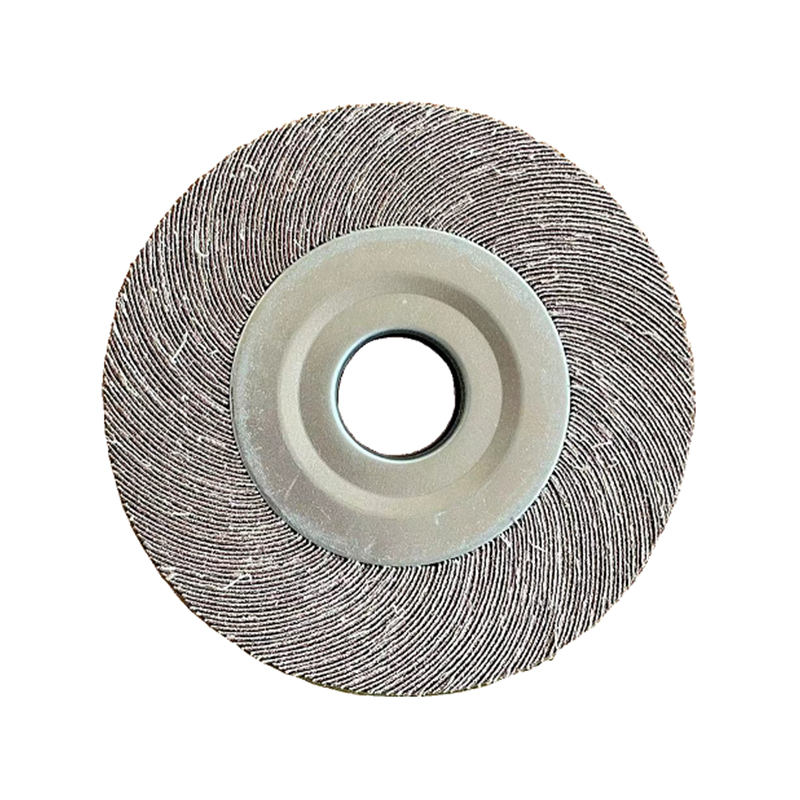
Aluminum oxide is the default for steel and iron. Its grain is tough and blocky, fracturing into fresh cutting edges as it wears, so the sheet stays sharp long after cheaper paper glazes over. Bonded to flexible cloth instead of paper backing, the same abrasive becomes a flap wheel that follows curves a rigid sheet cannot reach:
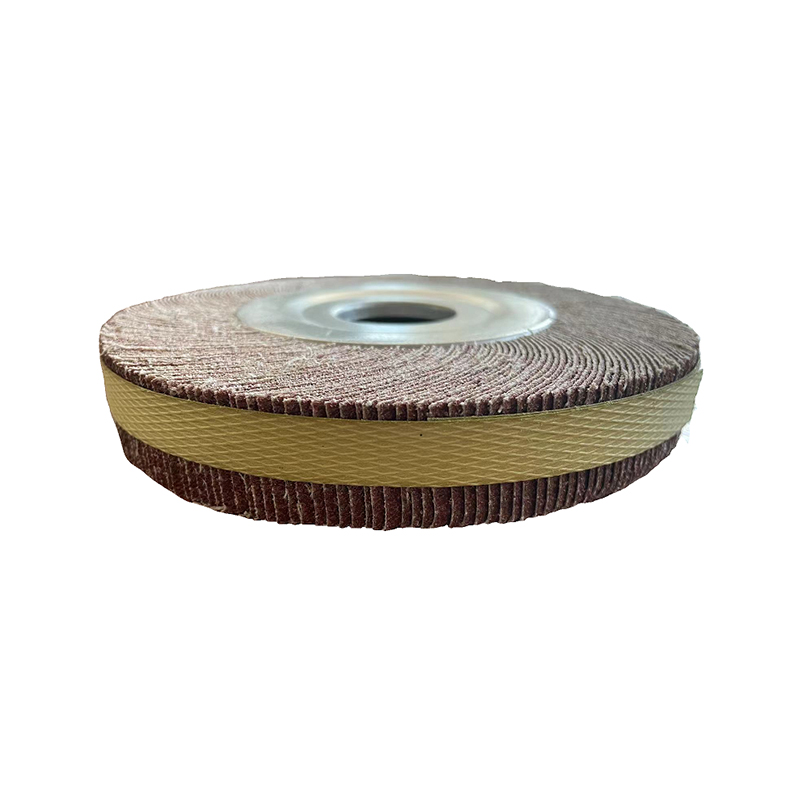 Aluminum Oxide Flap Wheel for Steel GrindingAluminum oxide grain fractures into fresh cutting edges as it wears, and a flexible cloth backing lets this flap wheel follow curves a rigid sanding sheet cannot reach on steel work.View Product →
Silicon carbide is sharper, harder, and more brittle — the better choice for aluminum, copper, and brass, and for wet sanding. Calcinated grades hold their edge at heat and leave a finer, more controlled scratch pattern on soft metals:
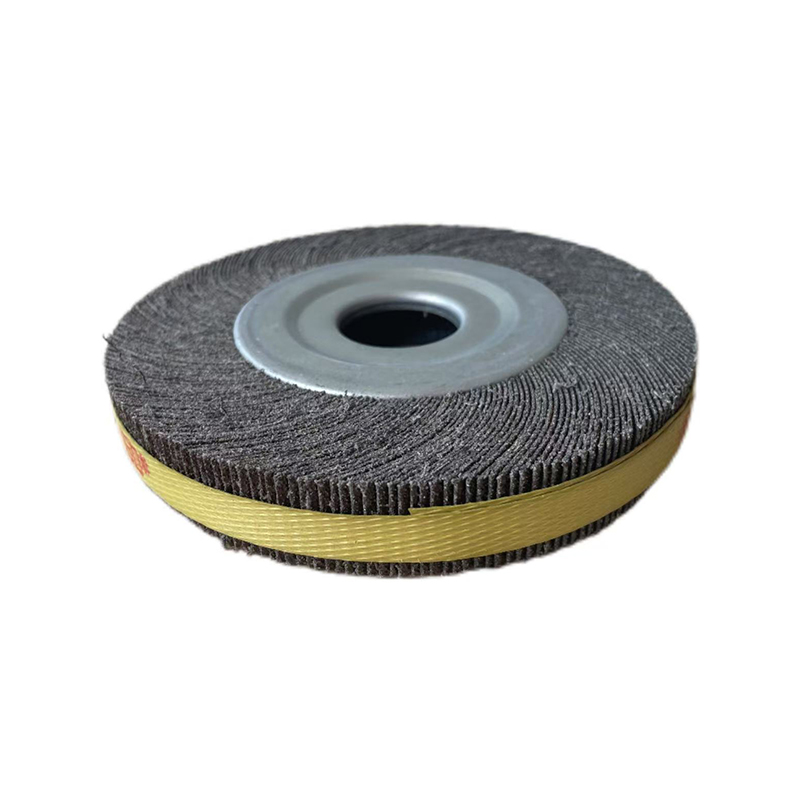 Calcinated Silicon Carbide Flap Wheel for Soft MetalsCalcinated silicon carbide stays sharp at heat and cuts with minimal burn, making this wheel well suited to finer, controlled finishing on aluminum, copper, brass, and stainless steel.View Product →
Zirconia and ceramic grains belong to high-pressure power grinding rather than hand sanding. Reach for them during heavy stock removal, then switch to aluminum oxide or silicon carbide for every finer step.
The Grit Progression That Prevents Rework
Here is the rule that separates a clean finish from a wasted afternoon: advance one grit step at a time and never skip more than a single grade. Finer paper cannot remove scratches deeper than its own grain — it only polishes the surface around them, and the hidden scratches reappear the moment polishing compound goes on.
- Start with the coarsest grit the damage actually requires — and no coarser.
- Sand in one consistent direction with light, even pressure until the whole surface shows a uniform scratch pattern.
- Wipe away all dust, then move up exactly one grit: 80 to 120, then 180, then 240.
- Rotate the sanding direction 90 degrees at each step; when the old scratches vanish, that grit is finished.
- Stop at 320-400 for a satin finish, or continue to 600 and finer if the part is headed for mirror buffing.
Where Sanding Stops and Polishing Begins
Even 1000-grit paper still scratches — just very finely. A true mirror does not come from sandpaper at all; it comes from buffing wheels and compounds, which cut and smooth at a microscopic level. For most metal parts, the handoff point is a 320-400 grit surface: uniform, clean, and free of any scratch deep enough to survive polishing.
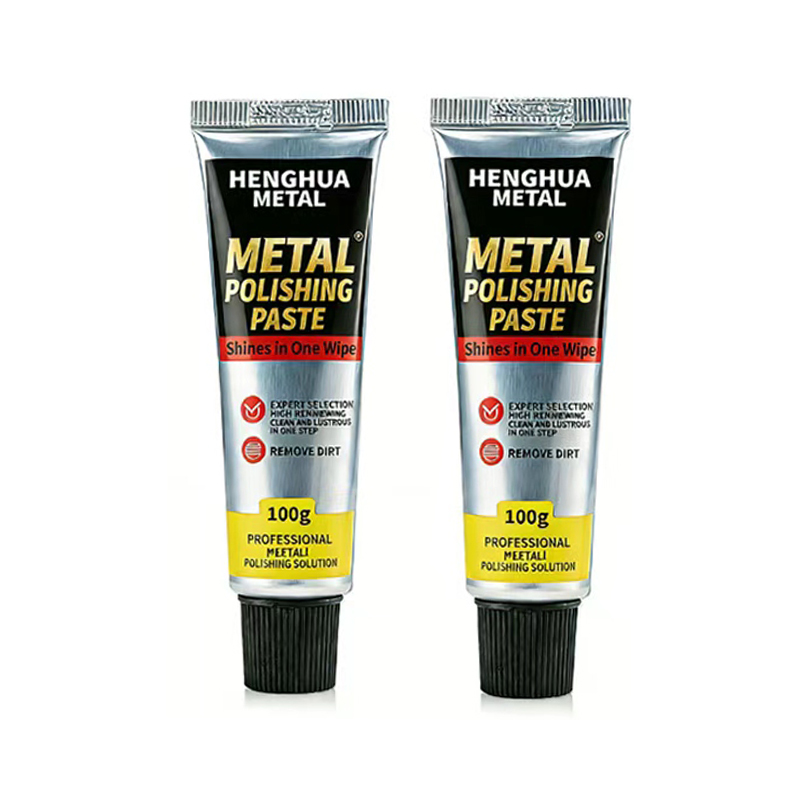
Compounds follow the same logic as grits and are color-coded by cutting power. Yellow and brown grades cut and smooth right after sanding; white grades bring steel to a bright finish; and green compound is the industry standard for a mirror finish on stainless steel and chrome-plated parts.
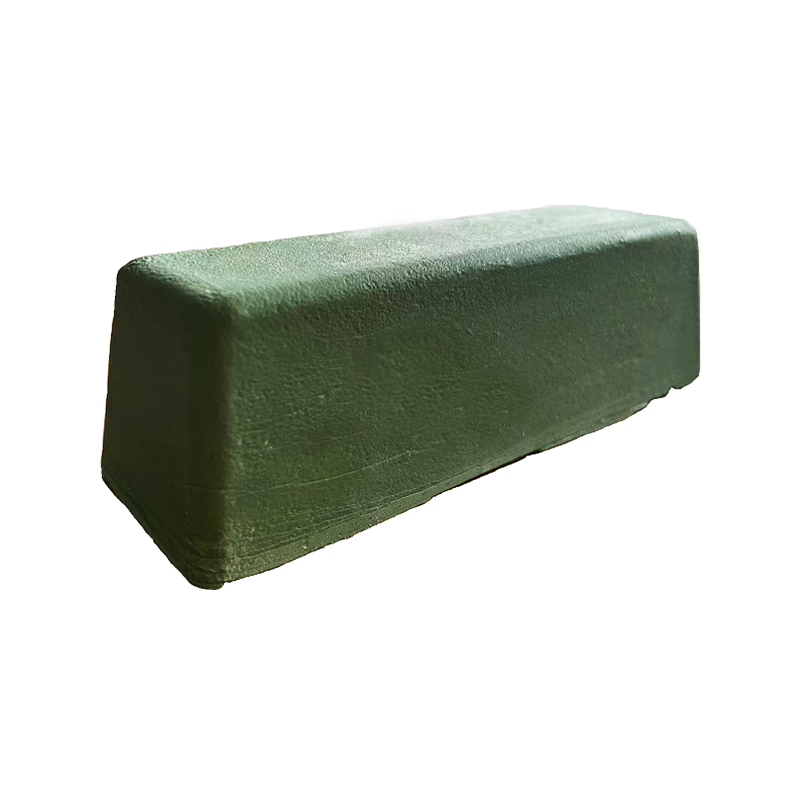 Chromium Oxide Green Buffing CompoundGreen compound with chromium oxide is the industry standard for mirror finishing stainless steel and chrome-plated parts, completing the grit ladder as the final coloring step.View Product →
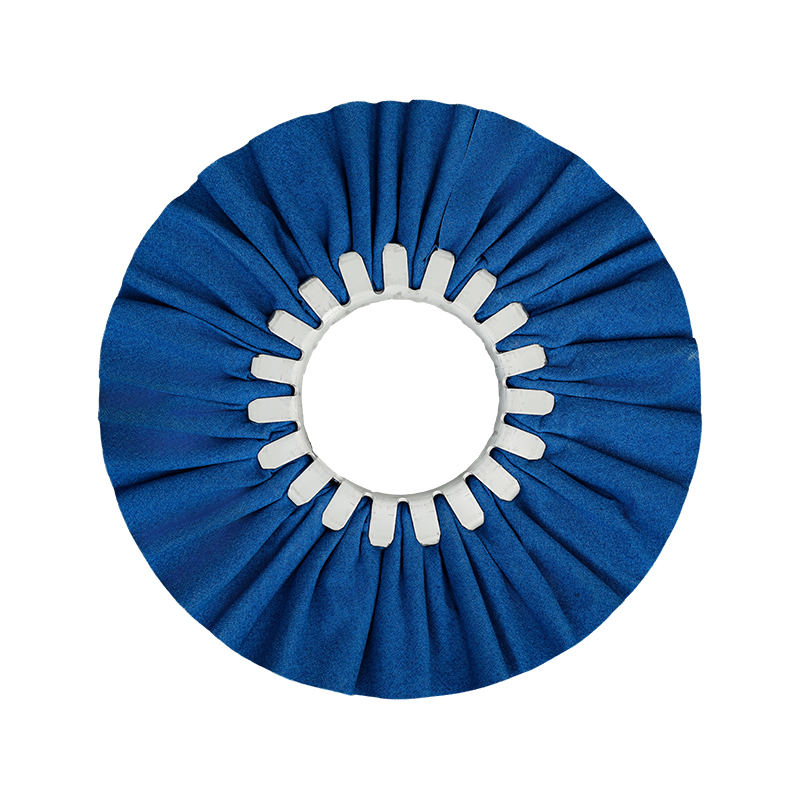
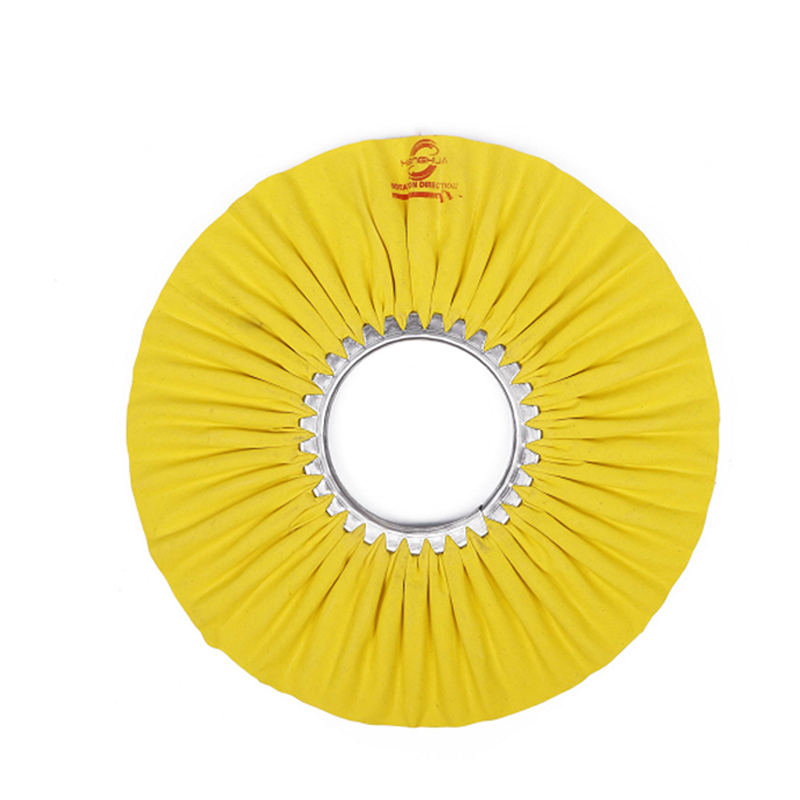
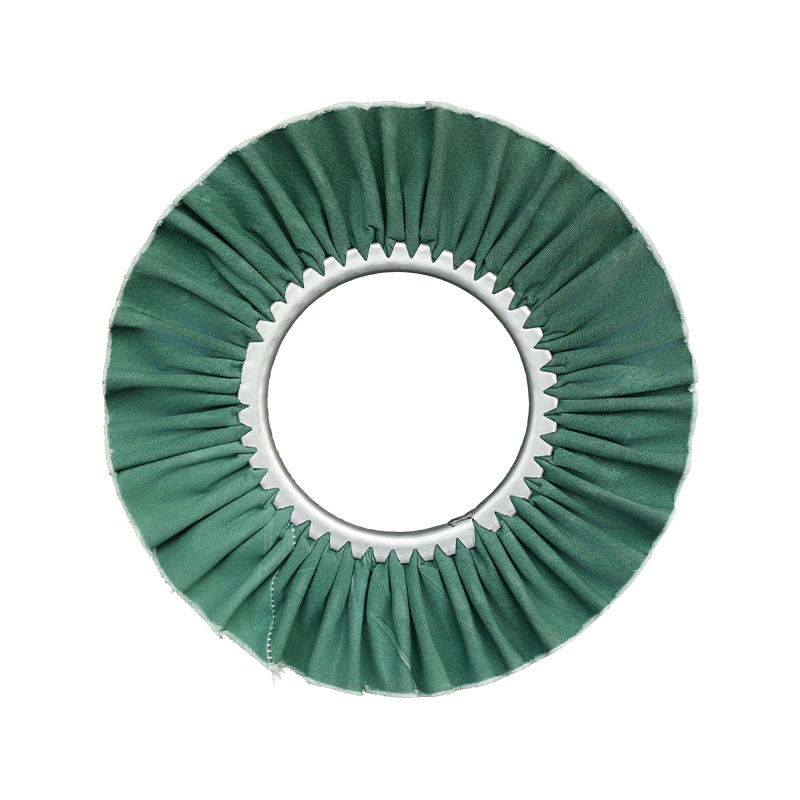
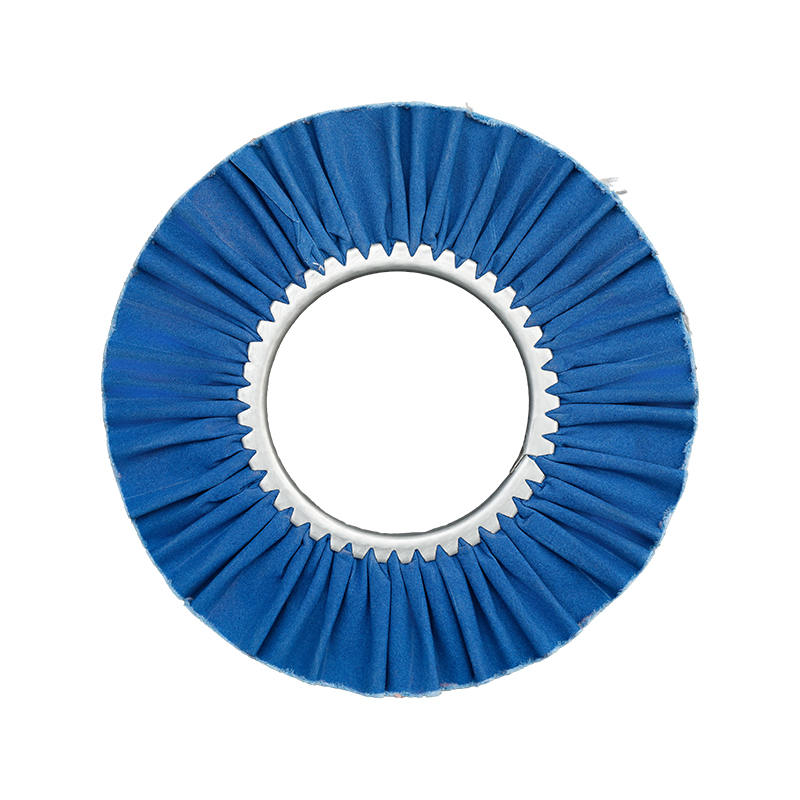
Pair each compound with the right wheel — sisal for cutting, stitched cloth for smoothing, soft cotton for final coloring — and the grit ladder becomes a complete finishing system. For the full wheel-and-compound sequence, metal by metal, our wind wheel buffing guide to mirror finishing walks through it step by step.
Three Mistakes That Ruin a Metal Finish
- Skipping grit steps. The deep scratches you hide today resurface the first time compound touches the part.
- Pressing too hard. Heavy pressure glazes the paper, heats thin metal, and gouges soft metals. Let the grain do the cutting.
- Sanding over dust. Spent grains and metal particles trapped under the sheet drag fresh scratches across finished areas. Wipe between every grit change.
None of these cost anything to avoid in advance — they cost rework afterward.
The Grit Ladder in Brief
Choose the starting grit from the damage in front of you, not from habit: 40-80 to strip, 120-180 to smooth, 240-320 to refine, 400 and finer to pre-polish. Match the abrasive to the metal — aluminum oxide for steel, silicon carbide for soft metals — and climb one step at a time to 320 or 400 before buffing. That sequence covers everything from rusted hardware to polished kitchenware.
Once a part leaves the sandpaper stage, mirror quality depends on the wheels and compounds that follow. Those consumables are what our plant in Ningbo produces at scale — sisal wheels, cloth buffing wheels, flap wheels, and color-coded compounds, in customized sizes for production lines worldwide.