Español
 Deutsch
 عربى
عربىContent
A finishing supervisor at an automotive parts plant runs the same stainless steel bracket through the same buffing line every week. One morning, the mirror finish fails. The compound has not changed. The wheel speed has not changed. The operator has not changed. The only variable is the buffing pad batch. That is how many manufacturers learn the hard way that pad selection is not a minor detail; it is the starting point of surface quality.
The practical answer to "what buffing pads to use" comes down to three decisions. Choose the fiber and hardness according to the base metal. Choose the pad structure according to the finishing stage. Verify pad consistency before it reaches production. Get those three right, and most surface defects become avoidable. This guide focuses on industrial metal finishing, where pad choices are judged by scrap rates and rework hours as much as by cosmetic gloss.
Let the Base Metal Choose the Pad Family
Manufacturers often ask for a universal polishing wheel that handles everything. In practice, a universal pad is a compromise that works well on no metal at all. Stainless steel needs an aggressive natural fiber for its first pass. Aluminum needs a softer contact surface to avoid tearing. Copper and brass fall between the two, and precious metals require the gentlest cotton-based materials.
| Base metal | First-stage pad | Final-stage pad | Main risk to control |
|---|---|---|---|
| Stainless steel | Sisal wheel + green compound | Hardened cloth wheel + white compound | Overheating and smearing |
| Aluminum | Hardened cloth wheel + red compound | Soft flannel or pneumatic cloth wheel | Galling and pad loading |
| Copper / brass | Medium cloth wheel + red compound | Soft cloth wheel + white compound | Loading and uneven color |
| Gold / silver / jewelry | Jewelry cotton wheel + yellow compound | White jewelry cotton wheel | Cross-contamination between alloys |
Treat the table as a starting framework, not a fixed recipe. Machine speed, applied pressure, and the condition of the incoming surface can move you one pad softer or harder than the standard suggestion. Fix the base metal first, then adjust within that family based on your own test results.
Pad Construction: The Real Driver of Cut and Finish
Buffing pads are often grouped by material, but construction determines performance. A sisal wheel cuts aggressively because stiff natural fibers create high point pressure on the workpiece. A folded cloth wheel cuts less but produces a cleaner, brighter surface. A pneumatic soft wheel conforms to curved parts, which is why it appears in the final polishing stage. Color naming varies by manufacturer, so always verify hardness by touch or specification sheet, not by name alone.
- Sisal wheels remove machining marks and deep scratches. They are the standard first pass on stainless steel and hard alloys.
- Folding cloth wind wheels offer a wide hardness range, from hard green models for cut refinement to soft yellow models for brightening.
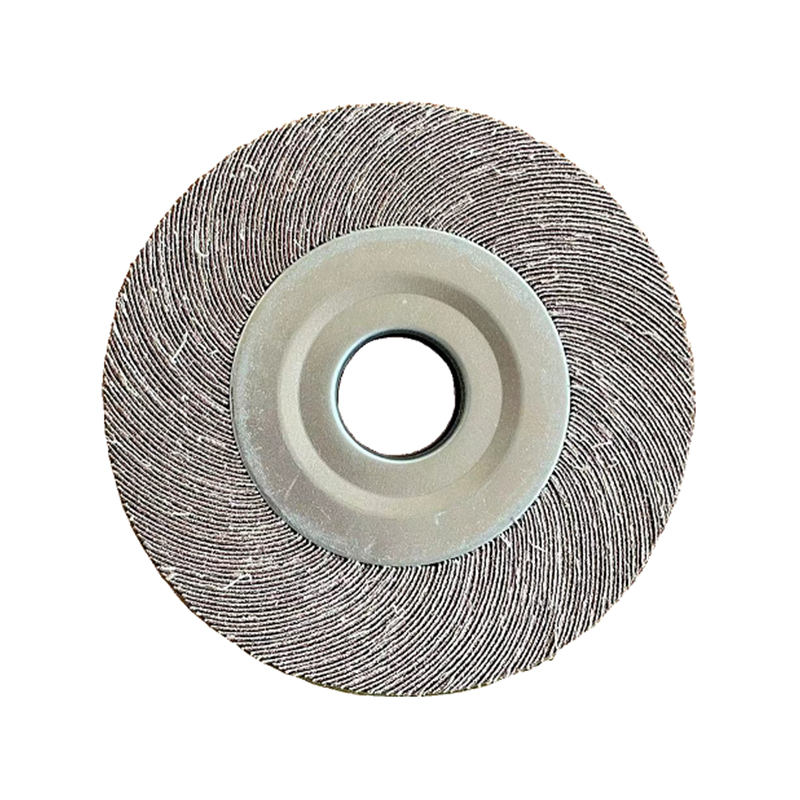
- Hardened cloth wheels use treated fabric to keep a stable cutting edge, making them reliable on flat surfaces and automated lines.
- Soft cloth pneumatic wheels inflate to follow contours without digging into edges, ideal for final polishing of curved or uneven parts.
- Flap wheels blend edges and deburr profiles where a flat wheel cannot reach.
- Jewelry cotton wheels are the gentlest option, used for precious metals and small components.
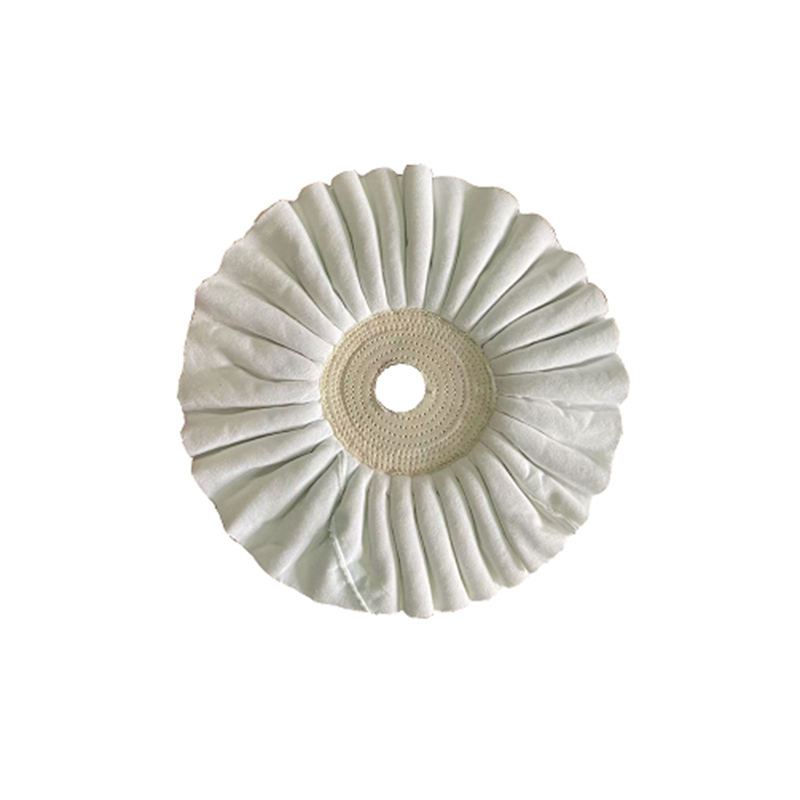
For the aggressive first pass on stainless steel, a black flat sisal wheel is a proven starting point. It holds compound well and produces the cut needed before any cloth wheel can take over.
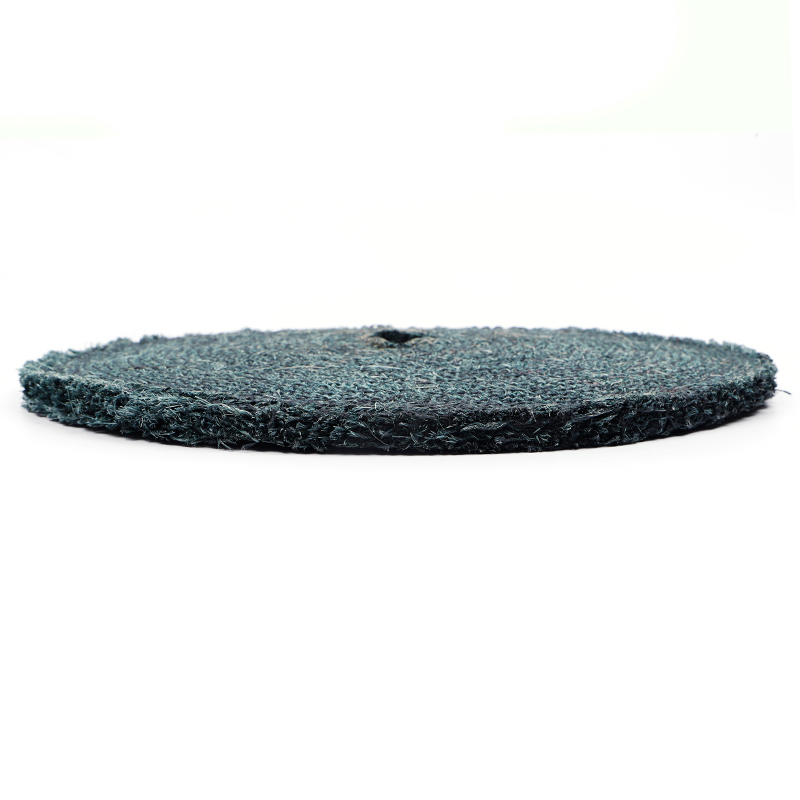 Black Flat Sisal Wheel Wholesale & Custom Manufacturers - Ningbo Henghua Metal SHenghua Metal Surface Treatment Technology Co., Ltd is China Black Flat Sisal Wheel wholesale & custom manufacturer,Black Flat Sisal Whee...View Product →
Build a Two-Stage Sequence for Consistent Results
Do not try to fix every defect with one pad. A reliable sequence uses a cutting pad to remove damage and a finishing pad to refine the surface. Automotive parts manufacturers rely on this logic daily, and the same principle applies to hardware, kitchenware, and aerospace work.
- Cut stage: Use a sisal or flap wheel with green buffing compound to remove deep scratches, weld lines, and machining marks. Keep the wheel dressed and the compound application even.
- Clean-up stage: Switch to a medium or hardened cloth wheel with red compound to blend the cut and remove the haze left by the sisal wheel. This stage defines the surface before final polishing.
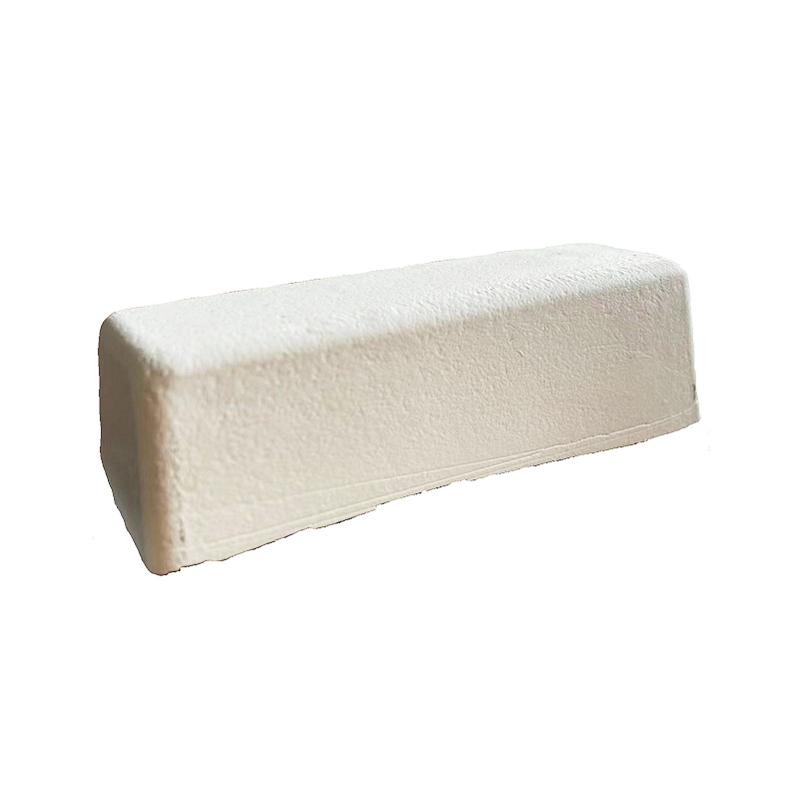
- Finish stage: Move to a soft cloth or pneumatic wheel with white compound to produce the final mirror finish. Use light pressure and a higher surface speed for a clean result.
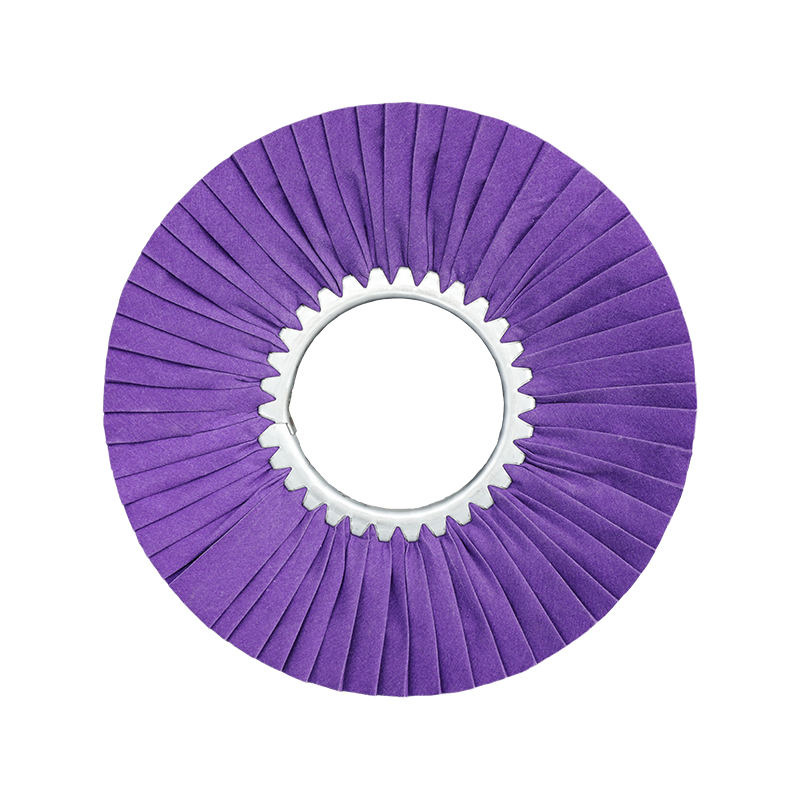
In practice, the clean-up stage separates good results from excellent ones. A red cloth wheel for stainless steel gives operators a stable, repeatable cutting edge at this step, which matters when you need to hold a consistent finish across long production runs.
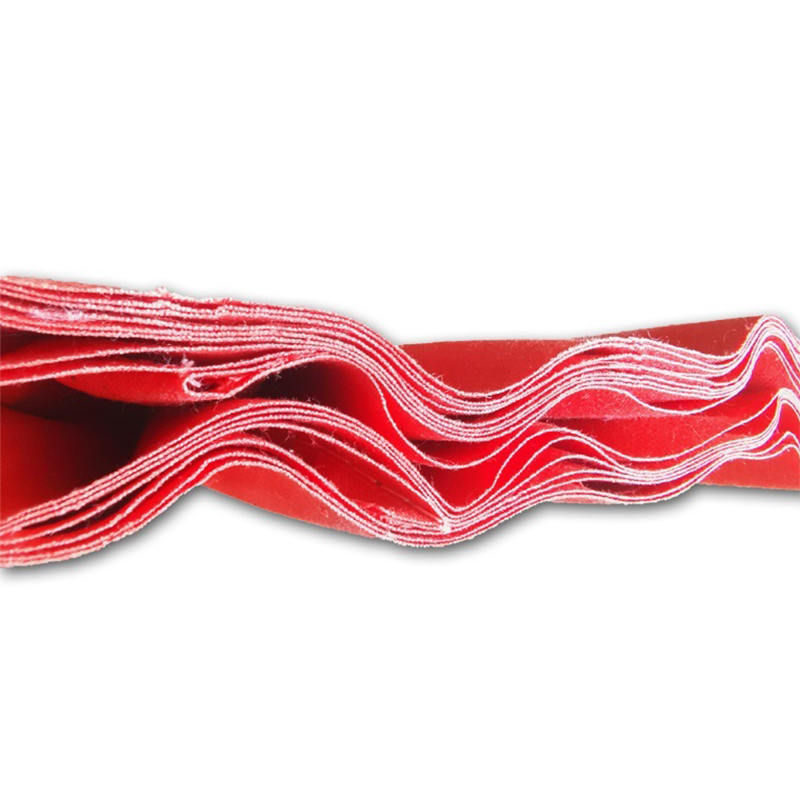 Red Cloth Wheel For Stainless Steel Wholesale & Custom Manufacturers - Ningbo HeHenghua Metal Surface Treatment Technology Co., Ltd is China Red Cloth Wheel For Stainless Steel wholesale & custom manufacturer,Red Clot...View Product →
Soft Metals Need a Softer Approach
Aluminum, copper, and brass behave differently from steel because they deform under pressure instead of cutting cleanly. A hard sisal wheel on aluminum can dig in and create tears that are worse than the original defect. The solution is a softer pad, lighter pressure, and a compound that resists loading.
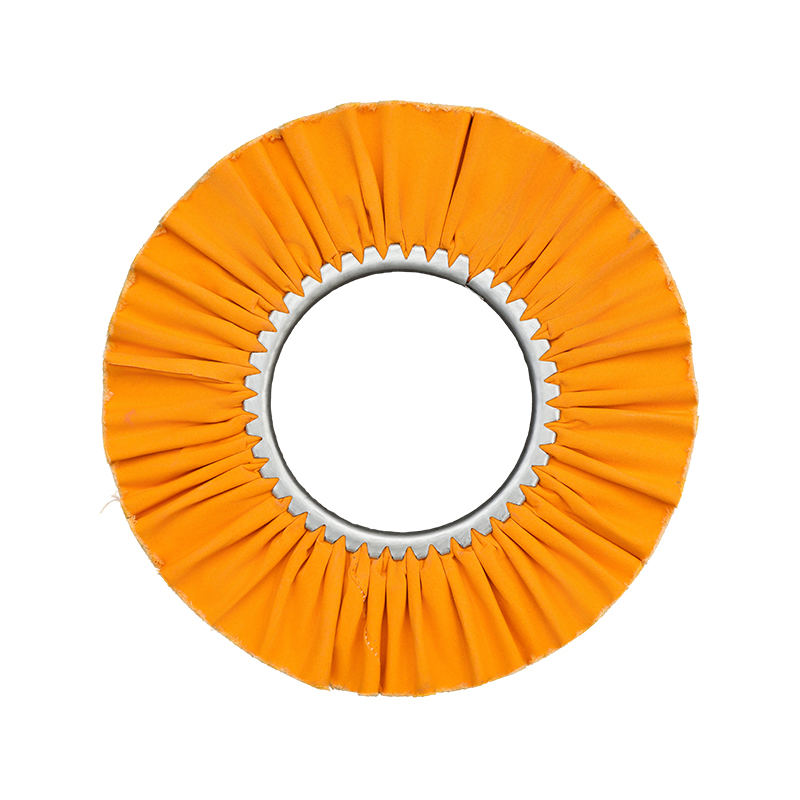
When polishing aluminum, the yellow hardened cloth wheel for aluminum is a practical middle ground. It is firm enough to hold its shape but soft enough to avoid gouging the workpiece. Pair it with a lower spindle speed and inspect the pad face regularly for embedded metal.
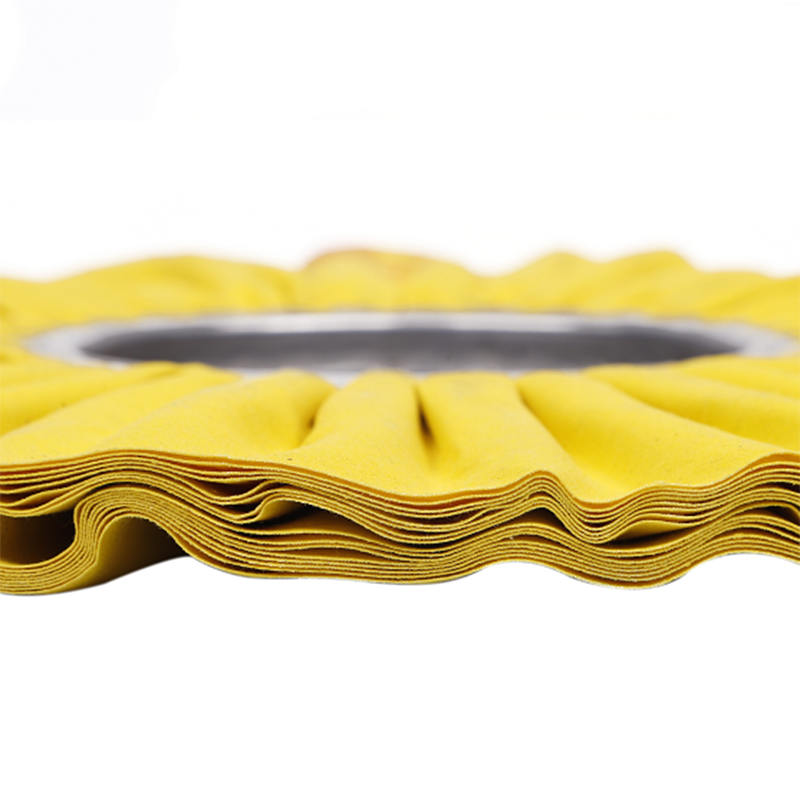 Yellow Hardened Cloth Wheel For Aluminum Wholesale & Custom Manufacturers - NingHenghua Metal Surface Treatment Technology Co., Ltd is China Yellow Hardened Cloth Wheel For Aluminum wholesale & custom manufacturer,Yel...View Product →
Soft metals also generate more heat at the contact point because the material offers less resistance and creates more friction. Heat accelerates pad loading and can discolor the workpiece. Reduce pressure, increase wheel speed only if the pad design allows it, and keep a dedicated pad set for aluminum to avoid cross-contamination from steel fibers.
Machine, Speed, and Pressure Change the Rules
The same pad can behave very differently on a bench grinder, a pneumatic hand tool, or a robotic polishing cell. Pad selection must include the machine because surface speed and applied pressure are set by the equipment, not by the pad alone. Bench grinders commonly run at 2800 to 3400 rpm, while pneumatic tools vary widely, so always check the pad's rated peripheral speed before changing setups.
- Bench and floor grinders: Larger sisal and cloth wheels, typically 200 to 400 mm, deliver the high surface speed needed for the cut stage.
- Pneumatic hand tools: Smaller pneumatic soft cloth wheels follow curved surfaces and are best for final polishing and touch-up work.
- Automated lines: Pad density and balance must be consistent from one wheel to the next, because robots cannot adapt to a soft or hard spot.
- CNC and robotic cells: Use hardened cloth wheels with predictable hardness values so process parameters stay valid over time.
If you are converting a manual operation to an automated one, re-select the pad rather than reusing the same wheel. Robots maintain constant pressure, so a pad that felt right by hand can be too aggressive or too soft under a fixed force.
What to Verify Before You Put a Pad in Production
Buying buffing pads by color or brand name alone is risky because the same color can have different densities from different suppliers. Before you commit to a production pad, evaluate the following factors:
- Batch consistency: Check hardness, fiber blend, and balance across multiple pads from the same batch. A small variation in density can change the finish noticeably.
- Edge durability: Look for stitching and edge treatment that will survive the contact speed of your machine. Weak edges cause wobble and uneven wear.
- Sizing and arbor options: Verify outer diameter, center hole, and thickness against your spindle specifications before ordering in volume.
- Compound compatibility: Some compounds saturate certain pad materials quickly. Test the full pad-and-compound combination before scaling up.
Most suppliers, including Henghua, support custom sizes and hardness adjustments through their custom buffing wheel service. A short trial run with a small batch is cheaper than replacing a full production order that does not meet your finish standard.