Español
 Deutsch
 عربى
عربىContent
- 1 How to Tell a Light Scratch from a Deep One
- 2 How Buffing Compound Actually Removes Scratches
- 3 Matching Compound Color to the Scratch
- 4 The Buffing Wheel Changes How the Compound Cuts
- 5 A Step-by-Step Process for Light Scratch Removal
- 6 Choosing the Right Compound for Your Work
- 7 What to Check Before Buying an Industrial Buffing Compound
You find a light scratch on a stainless steel cabinet door, an aluminum extrusion, or a car's clearcoat. Your fingernail barely catches it. The question is which buffing compound removes it without creating extra work. The short answer: a fine-cut or medium-cut buffing compound, used with a soft cloth wheel, removes light scratches safely and predictably. Heavy-cutting compounds are the wrong tool here—they take out the scratch but leave swirl marks, forcing you into an extra polishing pass.
This guide walks through the decisions that matter: how to confirm a scratch is light, which abrasive grade and compound color to choose, why the buffing wheel changes the cut, and how to apply the compound for a clean result.
How to Tell a Light Scratch from a Deep One
Selecting a compound starts with classifying the scratch. A light scratch stays within the clearcoat on painted surfaces, or within the surface oxide layer on bare metal. It does not expose primer or bare substrate. Painted automotive panels typically have 35 to 50 microns of clearcoat, which gives you a thin but real safety margin for light scratch removal.
The fingernail test is the quickest way to classify a scratch. Run a fingertip across the scratch at a right angle to its direction:
- No catch or very slight catch: the scratch is light; a buffing compound will remove it.
- Noticeable catch: the scratch is moderate; wet sanding with 1500–2000 grit may be needed before compounding.
- Firm catch with a visible groove: the scratch is deep; compounding alone will not fix it.
| Scratch Depth | Fingernail Test | What Removes It |
|---|---|---|
| Light | No catch or very slight | Fine or medium buffing compound |
| Moderate | Noticeable catch | Wet sanding, then compound |
| Deep | Firm catch, visible groove | Sanding, filler, or refinishing |
How Buffing Compound Actually Removes Scratches
Buffing compound is abrasive grit suspended in a binder. When a spinning wheel carries the compound across the surface, the abrasive particles cut a microscopic layer of material. A light scratch is simply a groove whose bottom is lower than the surrounding surface; removing one to three microns from the entire area levels the scratch into the rest of the finish.
Compound grades form a spectrum from cutting to finishing:
- Heavy cutting compounds: coarse abrasives that remove deep scratches, weld marks, and corrosion quickly, but leave visible swirl marks.
- Medium cutting compounds: balance material removal with finish quality; they handle light-to-moderate scratches and leave a surface ready for fine polishing.
- Fine polishing compounds: refine the surface, remove swirl marks, and restore clarity.
- Finishing compounds: produce the final gloss and are gentle enough for soft metals and clearcoat.
For light scratches, medium-cut or fine-cut compounds are the correct starting point. Using a heavy-cut compound on a light scratch creates a second problem: the scratch is gone, but the surface is hazy and needs another pass with a finer compound.
Matching Compound Color to the Scratch
Compound color is the fastest field indicator of cut level. While color codes vary slightly between manufacturers, the table below follows the logic used by most polishing compound suppliers.
| Color | Cut Level | Common Use |
|---|---|---|
| Brown / Black | Heavy cutting | Deep scratches, rust, weld mark removal |
| Red | Medium cutting | Light-to-moderate scratches on stainless steel and other hard metals |
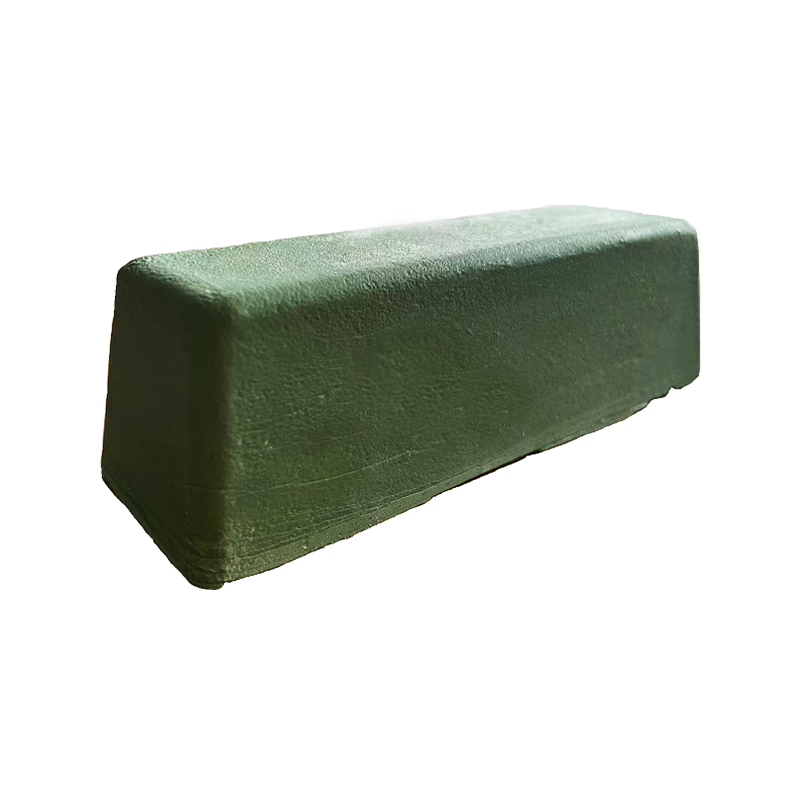
| Green | Medium to fine | General polishing on harder alloys |
| White | Fine polishing | Light scratches, final finishing, bright surfaces |
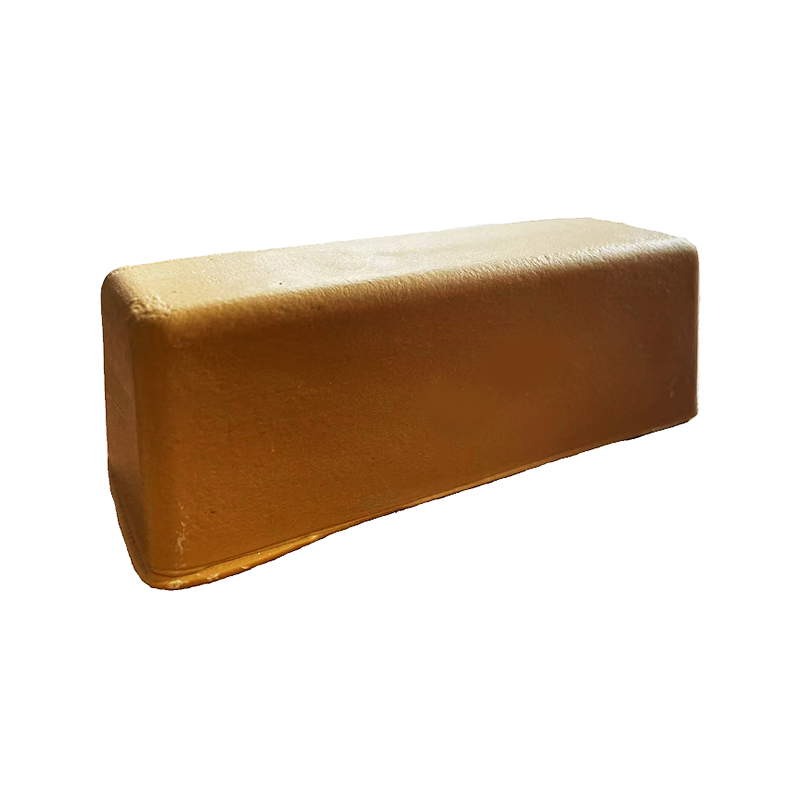
| Yellow | Soft finishing | Delicate metals, final gloss without cutting |
For light scratches on bare metal, white buffing wax is the most dependable choice because it removes the scratch and leaves a bright finish without extra steps.
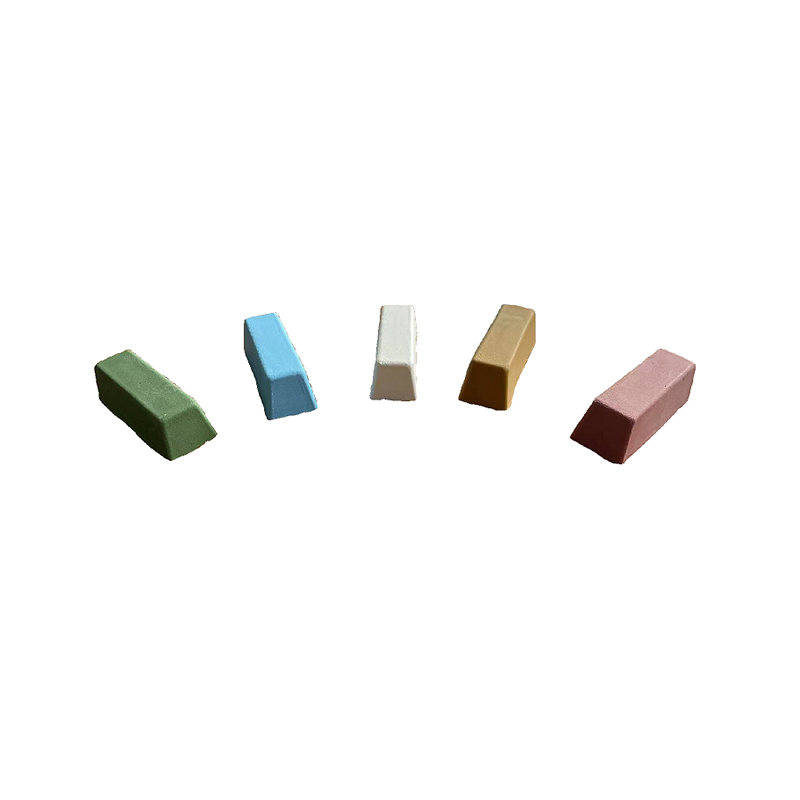 White Buffing WaxWhite Polishing Wax Wholesale & Custom Manufacturers - Ningbo HHenghua Metal Surface Treatment Technology Co., Ltd is China White Buffing WaxWhite Polishing Wax wholesale & custom manufacturer,White B...View Product →
The Buffing Wheel Changes How the Compound Cuts
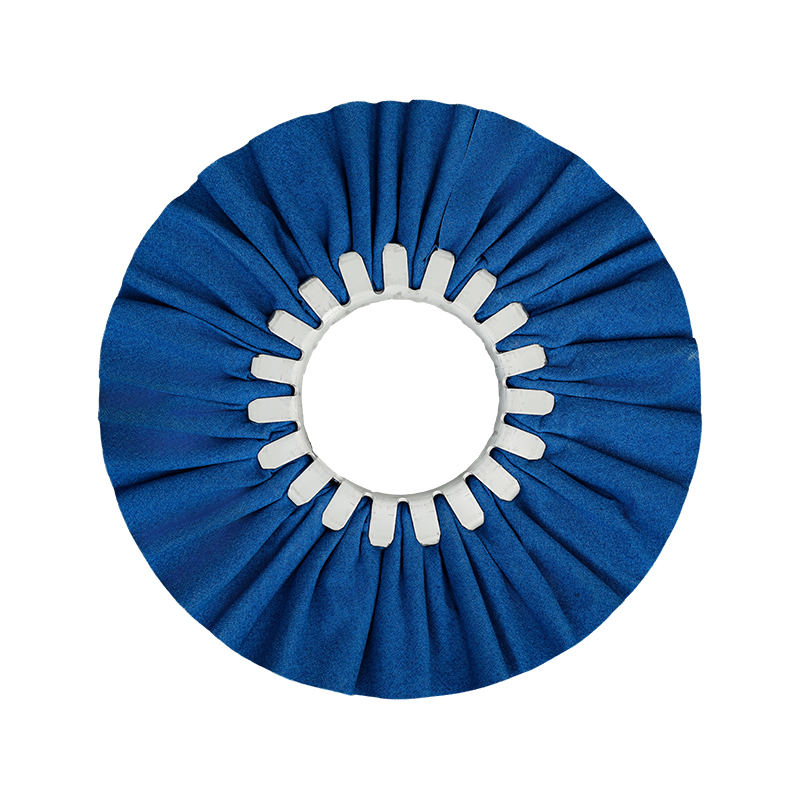
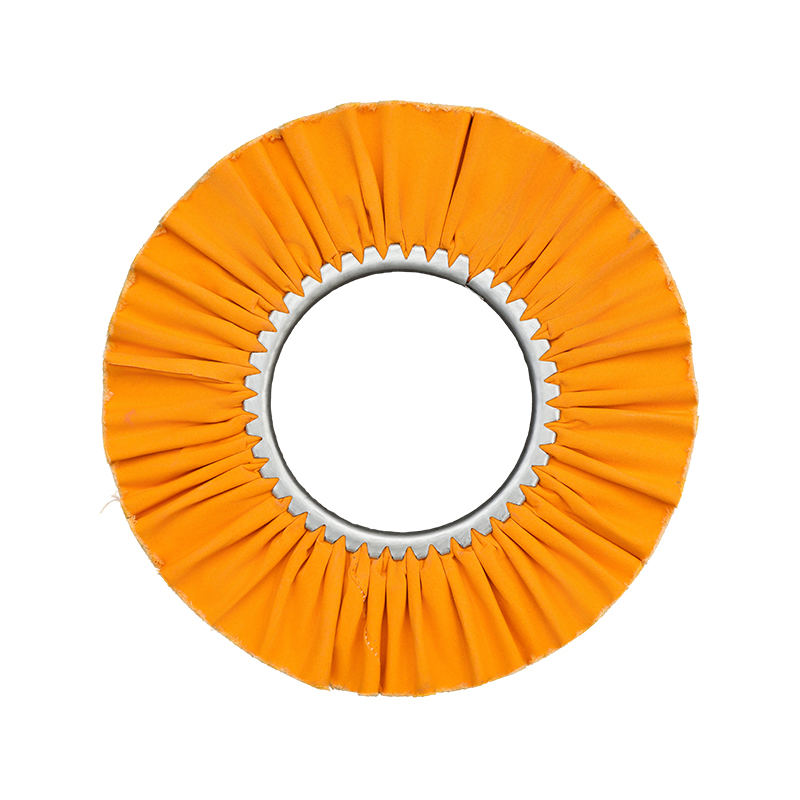
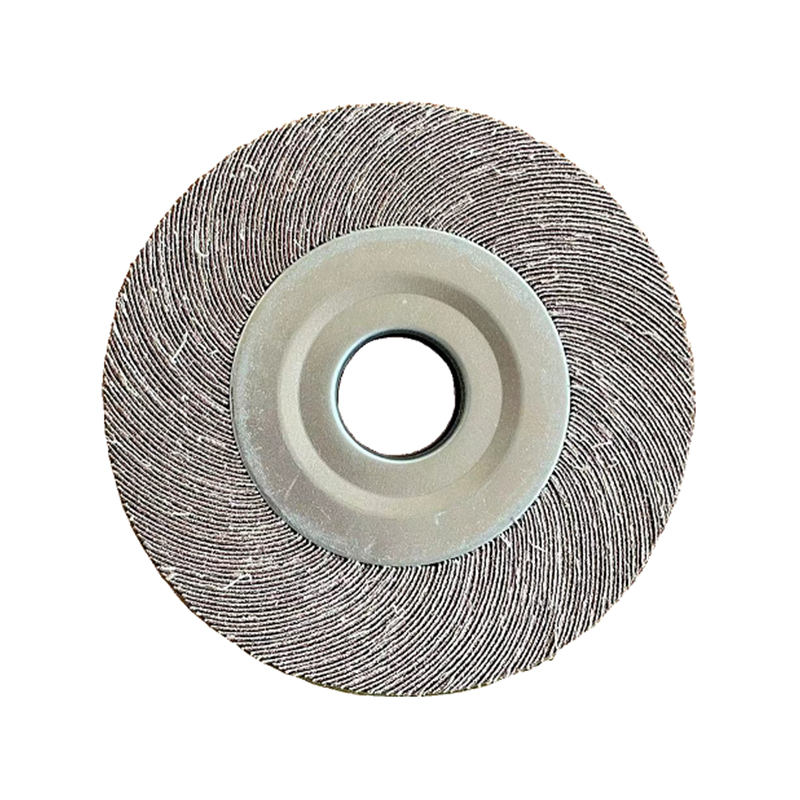
The same compound behaves differently on different wheels. A stiff sisal wheel presses the abrasive into the surface and cuts aggressively. A soft cloth wheel cushions the abrasive and reduces its cutting force.
For light scratches, wheel selection matters as much as compound selection:
- On bare metal: use a medium-firm cloth wheel with a white or red compound. A flannel wheel lowers the cut further on soft metals.
- On clearcoat: use a soft foam or flannel pad. Clearcoat is a thin film; an aggressive wheel can burn through it in seconds.
A fine compound on a stiff wheel can cut deeper than a medium compound on a soft wheel. Treat the wheel and compound as a single cutting system, not two independent choices. A general-purpose polishing compound paired with a soft cloth wheel covers most light-scratch jobs in a typical workshop.
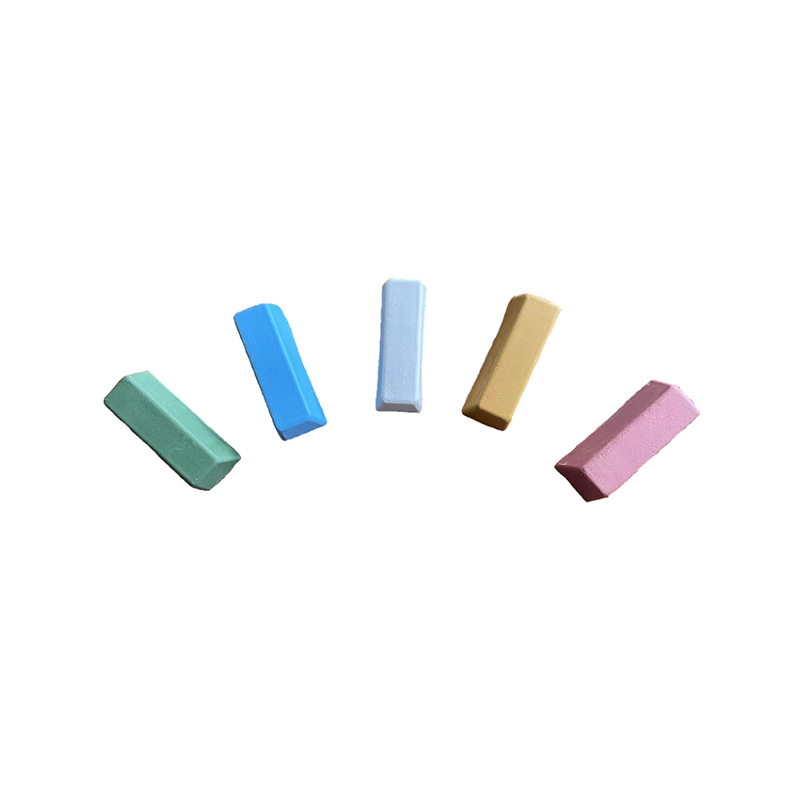 Polishing Compound Wholesale & Custom Manufacturers - Ningbo Henghua Metal SurfaHenghua Metal Surface Treatment Technology Co., Ltd is China Polishing Compound wholesale & custom manufacturer,Polishing Compound is an ...View Product →
A Step-by-Step Process for Light Scratch Removal
The process below produces consistent results on metal and clearcoat alike:
- Clean the surface. Remove dust, oil, and loose particles with a mild degreaser or isopropyl alcohol. Contaminants embed in the compound and create new scratches.
- Mount the right wheel. Use a soft cloth, flannel, or foam wheel. Verify that the wheel is clean and dry, not loaded with old compound.
- Apply a small amount of compound. Touch the compound bar to the rotating wheel at low speed, then spread it over a small working area. One or two light touches are enough.
- Work in small passes. Move the wheel over the scratch at a steady speed. Use light-to-moderate pressure on metal; use very light pressure on clearcoat. Two or three passes usually remove a light scratch.
- Check progress between passes. Wipe the surface with a clean microfiber cloth. If the scratch remains, apply more compound, but stop as soon as it disappears.
- Remove compound residue. Clean the area with a soft cloth and a mild surface cleaner.
- Finish with a fine polish or wax. A final pass on a separate soft wheel adds gloss and protects the freshly worked surface.
The most common mistake is buffing too long. A light scratch takes under a minute to remove. Continued buffing on the same spot removes more clearcoat or metal than intended and leaves a visible depression.
Choosing the Right Compound for Your Work
The metal type determines the best compound. In metal finishing work such as hardware tools and automotive manufacturing, the following rules apply in practice:
- Stainless steel: use a red or white compound. Red handles the cut; white restores the natural brightness in a second pass.
- Aluminum: use a yellow or white compound. Aluminum is soft and gouges easily, so the gentlest compound that does the job is the right one.
- Copper and brass: use a white or yellow finishing compound. These metals are soft and tarnish quickly; aggressive cutting leaves a dull, scratched appearance.
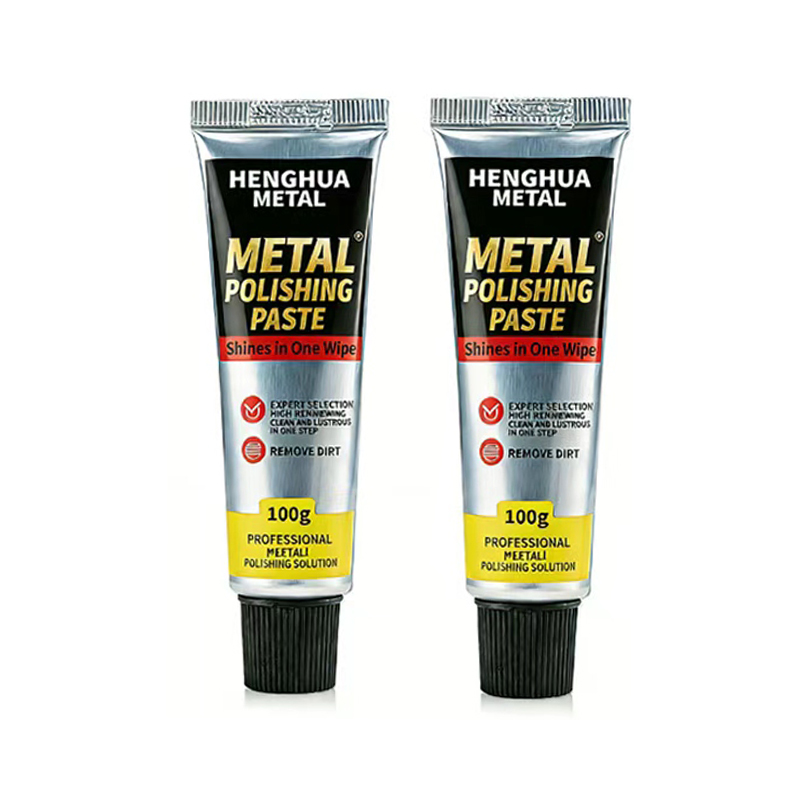
If your shop processes a mix of metals, a general-purpose polishing compound simplifies inventory. For bare metal surfaces where the customer expects a mirror-like finish, the metal polishing compound removes light scratches and produces final gloss in one step.
 Metal Polishing Compound Wholesale & Custom Manufacturers - Ningbo Henghua MetalHenghua Metal Surface Treatment Technology Co., Ltd is China Metal Polishing Compound wholesale & custom manufacturer,Metal polishing com...View Product →
What to Check Before Buying an Industrial Buffing Compound
When purchasing in volume, inspect these five factors rather than judging a compound by price alone:
- Abrasive consistency: quality compounds use uniformly sized grains. Uneven grains cause random deeper scratches after the initial cut.
- Binder quality: a good binder releases abrasive steadily onto the wheel. Poor binders flake off or load the wheel face, reducing cutting efficiency.
- Residue removal: some formulas leave an oily or waxy film that resists cleaning. Choose a compound that washes off with a mild cleaner.
- Dust and odor: in a production workshop, low-dust and low-odor formulas improve operator comfort and air quality.
- Wheel compatibility: verify the compound's recommended surface speed and wheel material before purchasing.
Light scratches do not need heavy cutting compounds. They need the right fine or medium cut, a properly matched wheel, and restrained technique. Confirm the scratch depth with the fingernail test, choose a white or red compound for metal or a fine compound for clearcoat, and let the wheel do the work.
If you are not sure which compound and wheel combination fits your process, ask your surface finishing supplier and test the compound on a sample piece before running a full batch. A small test takes minutes and prevents wasted material, damaged parts, and rework.