Español
 Deutsch
 عربى
عربىContent
- 1 Direct Answer: What Grit Means on Sandpaper
- 2 Understanding the Grit Scale and Why It Matters
- 3 Comparing Sandpaper Grit Stages to Polishing Cream Application
- 4 Key Factors That Determine the Right Finishing Approach
- 5 How to Plan a Sanding and Polishing Cream Workflow
- 6 Best Practices for Applying Polishing Cream Effectively
- 7 Standards Referenced in Abrasive and Finishing Work
- 8 Sourcing Reliable Polishing Cream for Finishing Work
Direct Answer: What Grit Means on Sandpaper
Grit on sandpaper refers to the number of abrasive particles per square inch of the paper surface, with lower numbers such as 40 to 80 grit representing coarser, more aggressive abrasives and higher numbers such as 1000 to 3000 grit representing finer, smoother abrasives. As grit numbers increase, the abrasive particles become smaller and more tightly packed, producing progressively finer scratches until the surface reaches a point where sandpaper alone can no longer improve the finish. At this stage, a polishing cream takes over to remove remaining microscopic scratches and bring out a reflective, mirror like shine.
- Coarse Grit 40 to 80Removes material quickly, used for shaping and rust removal
- Fine Grit 400 to 1000Smooths surfaces in preparation for polishing cream application
- Ultra Fine Grit 1500 plusBridges the gap between sanding and final polishing cream buffing
Understanding the Grit Scale and Why It Matters
Sandpaper grit numbers follow standardized scales, most commonly the CAMI standard used in North America or the FEPA standard used internationally, both of which classify abrasive particle size using a numerical rating. A lower grit number indicates larger, sharper particles capable of removing material rapidly, while a higher grit number indicates smaller particles that leave progressively shallower scratch patterns on the surface being worked.
This progression matters because each grit level is designed to remove the scratches left by the previous coarser grit, gradually refining the surface. Skipping grit levels too aggressively often leaves visible scratch patterns that even a polishing cream cannot fully erase, since polishing compounds are formulated to remove only extremely fine surface imperfections rather than deep sanding marks.
Why Sandpaper Alone Has a Practical Limit
Even the finest commercially available sandpaper, typically around 3000 to 5000 grit, still leaves microscopic linear scratches under magnification. A true mirror finish requires a different abrasive delivery method, which is where polishing cream becomes essential, since it suspends extremely fine abrasive particles in a carrier medium that can reach into surface irregularities sandpaper cannot fully smooth.
Comparing Sandpaper Grit Stages to Polishing Cream Application
The table below outlines a typical progression from coarse sandpaper through to final polishing cream use, showing how each stage builds toward a finished surface.
| Stage | Grit Range | Purpose | Surface Result |
|---|---|---|---|
| Coarse Sanding | 40 to 120 | Remove rust, shape metal, strip old finish | Rough, scratched surface |
| Medium Sanding | 150 to 320 | Smooth out coarse scratches | Semi smooth, matte texture |
| Fine Sanding | 400 to 800 | Refine surface before finishing | Smooth, low sheen surface |
| Ultra Fine Sanding | 1000 to 3000 | Prepare surface for polishing | Near smooth, ready for compound |
| Polishing Cream Buffing | Not applicable | Remove remaining micro scratches | Bright, reflective mirror finish |
Skipping directly from a mid range grit to polishing cream typically leaves visible haze or fine scratch lines, since polishing cream is formulated to correct surface finish, not to remove significant material the way lower grit sandpaper does.
Key Factors That Determine the Right Finishing Approach
Choosing the correct grit sequence and knowing when to transition to polishing cream depends on several practical factors related to the material and desired outcome.
1Material Hardness and Type
Softer metals such as aluminum or brass typically require less aggressive starting grits and transition to polishing cream sooner than harder metals like stainless steel, which often need a longer sanding sequence before the surface is ready for final buffing.
2Desired Finish Level
A satin or brushed finish may only require sanding up to 400 or 600 grit without any polishing cream at all, while a true mirror finish generally requires sanding through at least 1000 to 2000 grit before polishing cream application becomes effective.
3Abrasive Particle Size in Polishing Cream
Polishing cream itself contains microscopic abrasive particles, often measured in microns rather than grit numbers, with finer formulations used for final mirror buffing and coarser formulations used for initial compound cutting stages before a final finishing pass.
How to Plan a Sanding and Polishing Cream Workflow
Following a structured sequence from sandpaper through polishing cream produces consistent, professional results while avoiding wasted time and material.
- Assess the starting surface condition to determine the appropriate coarse grit starting point
- Progress through intermediate grits without skipping more than two steps at a time
- Sand through the finest practical grit level before switching to polishing cream
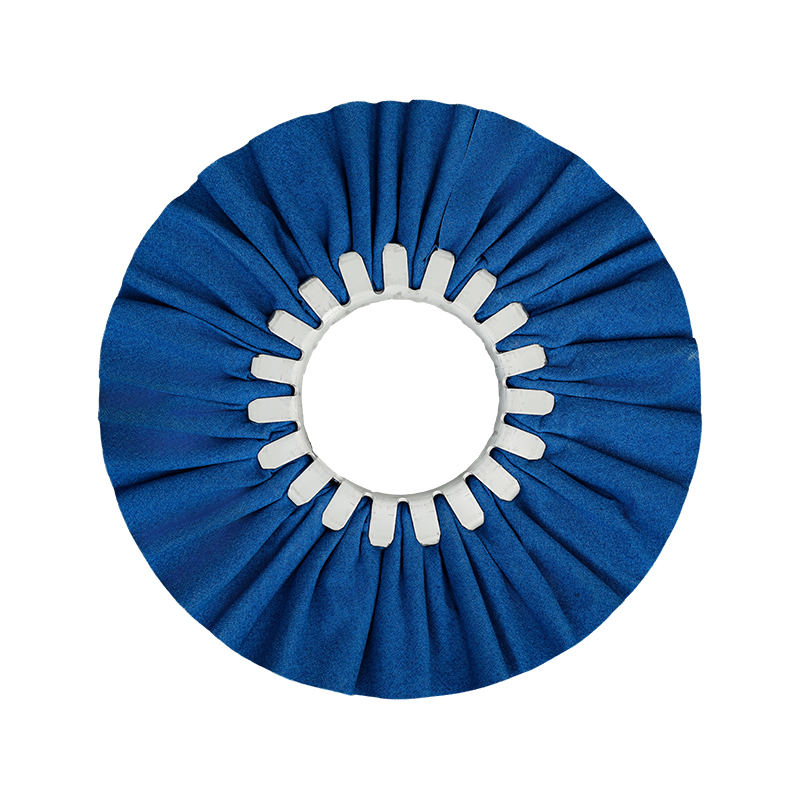
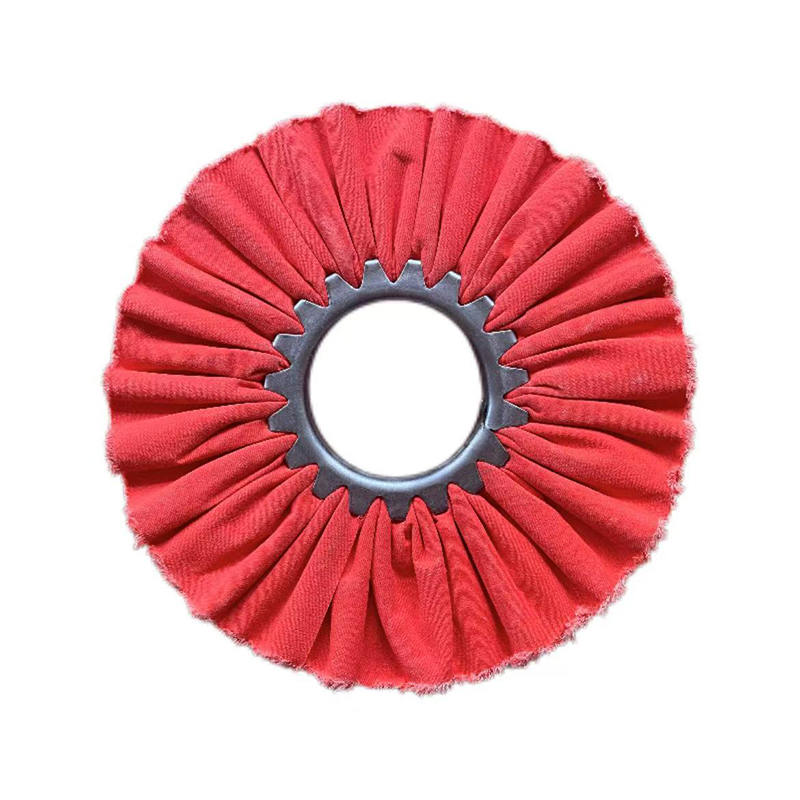
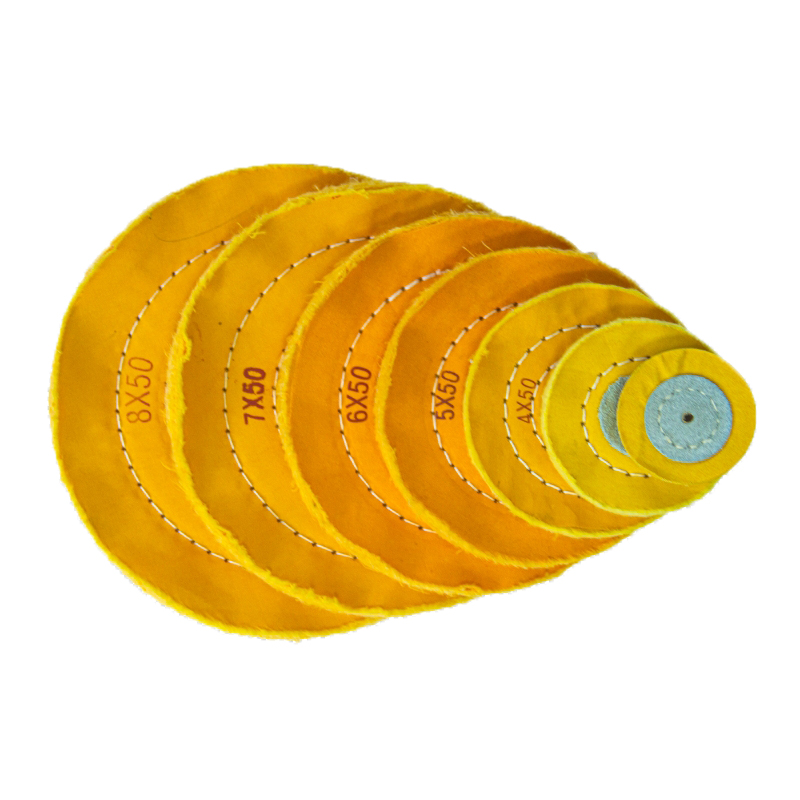
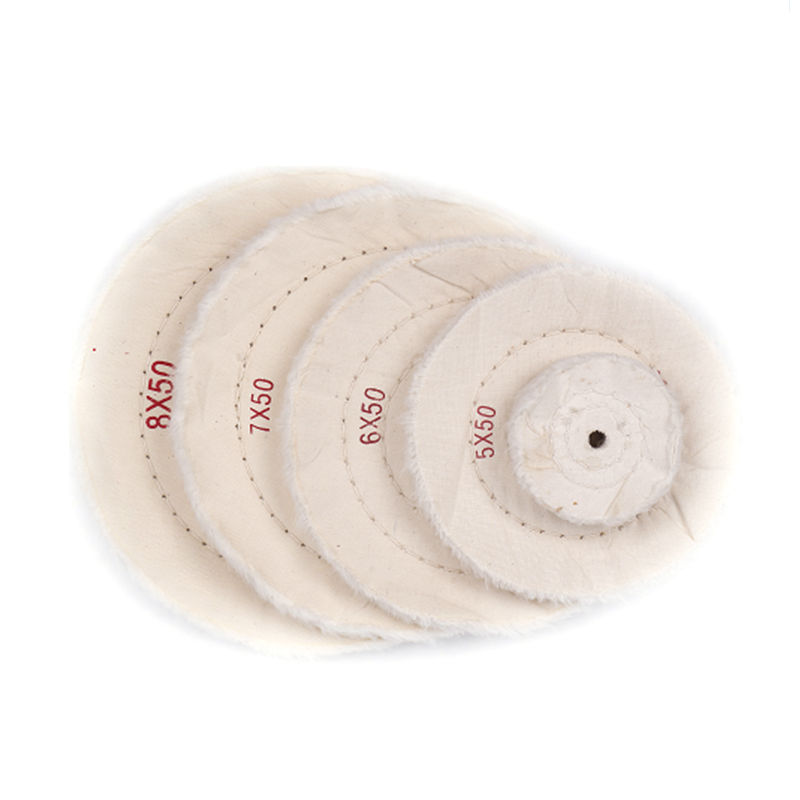
- Apply polishing cream with a clean buffing wheel or cloth using light, even pressure
- Inspect the surface under strong light to check for remaining scratch marks before finishing
Experienced metal finishers commonly note that each skipped grit level roughly doubles the polishing cream buffing time needed to remove residual scratch patterns, making a complete grit progression more time efficient overall.
Best Practices for Applying Polishing Cream Effectively
Proper technique when applying polishing cream ensures the abrasive compound performs as intended without introducing new surface defects.
- Use a Clean ApplicatorDirty buffing wheels can reintroduce coarse particles that scratch the surface
- Apply Light, Even PressureExcessive pressure generates heat that can distort thin metal surfaces
- Work in Small SectionsFocused buffing achieves more consistent shine across the full surface
- Change Wheels Between Compound StagesSeparate wheels for cutting and finishing polishing cream prevent cross contamination
- Wipe Down Residue ThoroughlyRemaining compound residue can dull the final appearance if left uncleaned
Standards Referenced in Abrasive and Finishing Work
Sandpaper and polishing cream products used in professional metal finishing are commonly referenced against established grading systems to ensure consistent abrasive performance.
FEPA Grit Standard
The Federation of European Producers of Abrasives standard defines particle size distribution for coated abrasives, providing a consistent reference point for comparing sandpaper grit ratings across different manufacturers.
CAMI Grit Standard
The Coated Abrasive Manufacturers Institute standard is widely used in North America and classifies sandpaper grit based on particle size, though its numbering can differ slightly from FEPA ratings at equivalent particle sizes.
Sourcing Reliable Polishing Cream for Finishing Work
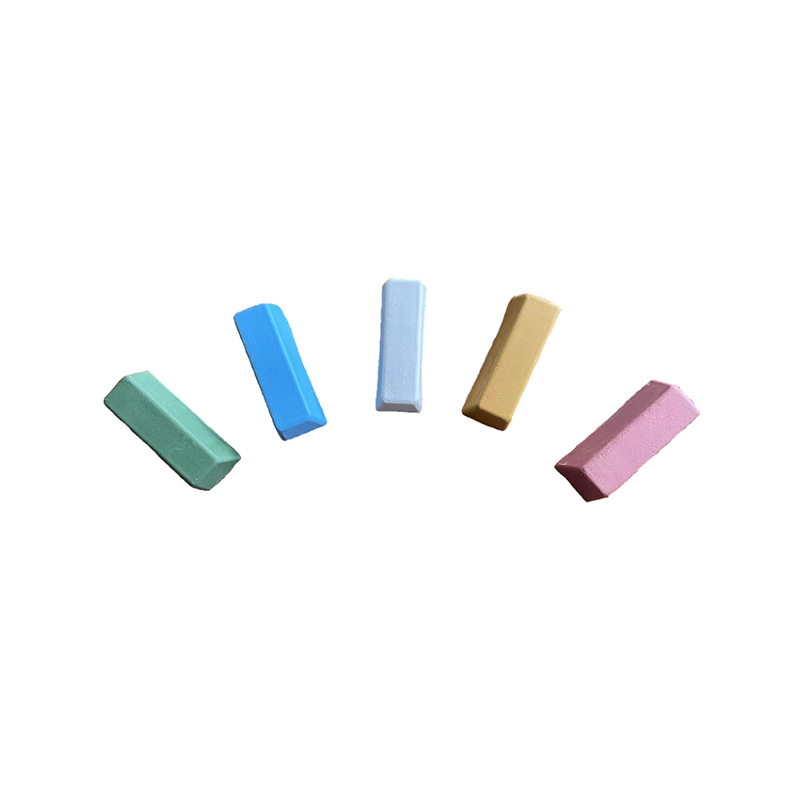
When sourcing polishing cream for professional or industrial finishing applications, consistency in abrasive particle size and formulation directly affects how predictably the compound performs across different metal types and production batches. Requesting technical data on particle grading and recommended buffing wheel compatibility helps buyers select the correct polishing cream for their specific finishing stage.
Finishers should also consider compound cutting speed versus final gloss level, since coarser polishing cream formulations cut faster but require a finishing compound afterward to achieve true mirror clarity.
A supplier offering a full range of polishing cream formulations, from cutting compounds to final finishing grades, allows metal finishing operations to standardize their entire buffing process while sourcing every stage of the finishing workflow from a single consistent product line.