Español
 Deutsch
 عربى
عربىContent
- 1 What Can I Use to Polish Copper: The Direct Answer
- 2 Why Flap Wheels Outperform Manual Polishing Methods
- 3 Flap Wheel Grit Selection for Copper
- 4 Types of Flap Wheels Suited to Copper Work
- 5 Step-by-Step Copper Polishing Technique
- 6 Flap Wheels vs Other Copper Polishing Tools
- 7 Matching Flap Wheel Specifications to the Tool
- 8 Preventing Common Copper Polishing Mistakes
- 9 Safety Practices When Polishing Copper
- 10 Choosing the Right Flap Wheel for Your Project
What Can I Use to Polish Copper: The Direct Answer
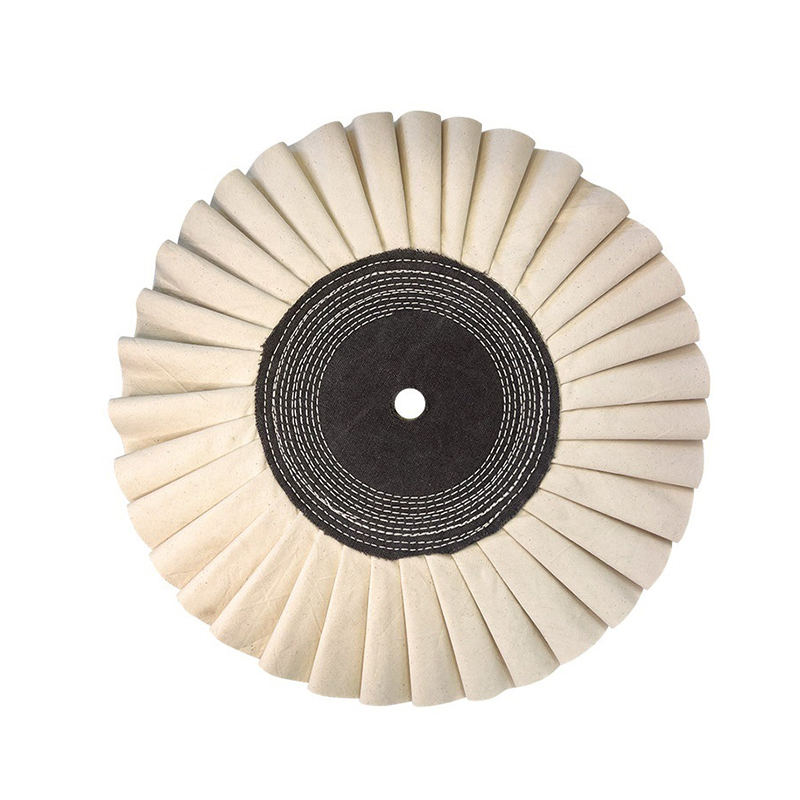
The most efficient way to polish copper on a large scale or for repeated jobs is a flap wheel mounted on a bench grinder, angle grinder, or drill. A flap wheel combines abrasive cloth flaps arranged around a central hub, giving it the cutting power of sandpaper with the flexibility to follow curved and irregular copper surfaces. For small household items, hand polishing with a cloth and compound works, but for pipes, fittings, sheet copper, or decorative pieces, a flap wheel reduces polishing time dramatically compared to manual methods.
Flap wheels are available in a range of grit sizes, typically from 40 to 400, allowing users to move from aggressive oxidation removal to a fine, reflective finish using the same basic tool with different wheel grades.
Why Flap Wheels Outperform Manual Polishing Methods
Manual copper polishing with cloths and paste-based compounds is effective for small decorative items, but it is slow and inconsistent across larger or textured surfaces. A flap wheel maintains constant contact pressure across the copper surface due to its flexible flap design, which conforms to grooves, curves, and edges that flat sanding discs cannot reach evenly.
Because the abrasive flaps continuously rotate and expose fresh cutting surface, a flap wheel resists the clogging that often reduces the effectiveness of sandpaper or polishing pads when working on soft metals like copper. This self-renewing action means fewer tool changes and more consistent results across an entire polishing session.
Flap Wheel Grit Selection for Copper
Selecting the correct grit sequence is the single biggest factor in achieving a smooth, mirror-like copper finish rather than a scratched or uneven surface. Working through grits in the correct order removes material progressively without skipping stages that leave visible scratch marks.
| Grit Range | Purpose | Typical Use Case |
|---|---|---|
| 40–60 | Heavy oxidation and corrosion removal | Weathered outdoor copper, old pipes |
| 80–120 | Surface leveling and scratch removal | Pre-polish smoothing |
| 180–240 | Fine surface refinement | Preparing for final polish |
| 320–400 | Bright, near-mirror finish | Decorative and display copper pieces |
Skipping more than one grit step in this sequence often leaves deeper scratches that later stages cannot fully remove, so working through each range methodically produces the most reliable copper polishing results.
Types of Flap Wheels Suited to Copper Work
Flat Flap Wheels
Best for flat copper sheets and wide surfaces, these wheels provide even coverage and are commonly mounted on bench grinders for stationary polishing tasks.
Spindle-Mounted Flap Wheels
Designed for use with drills and rotary tools, these compact wheels are ideal for polishing copper fittings, small pipe sections, and hard-to-reach interior curves.
Interleaved Flap Wheels
These combine abrasive cloth with non-woven material layers, offering a softer cutting action that helps prevent overheating on thinner copper sheet, reducing the risk of discoloration during polishing.
Step-by-Step Copper Polishing Technique
- Clean the copper surface to remove loose dirt, grease, or old lacquer before starting.
- Mount a coarse-grit flap wheel and remove heavy oxidation using light, even passes.
- Switch to a medium grit to level the surface and eliminate visible scratch lines.
- Progress to a fine-grit flap wheel for surface refinement, keeping the tool moving to avoid heat buildup.
- Finish with a polishing compound and soft buffing wheel if a true mirror shine is required.
- Apply a clear protective coating or wax if the copper will be exposed to air and moisture regularly.
Maintaining consistent tool speed and light pressure throughout each stage prevents gouging and helps the flap wheel deliver an even finish across the entire copper surface.
Flap Wheels vs Other Copper Polishing Tools
Copper can also be polished using wire brushes, sanding discs, or buffing wheels, but each has limitations that a flap wheel avoids in most practical situations.
- Wire brushes remove oxidation quickly but can leave fine scratch patterns that are difficult to buff out later.
- Flat sanding discs work well on wide flat areas but struggle with curves, edges, and detailed copper fittings.
- Buffing wheels alone are excellent for final shine but are too soft to remove heavier oxidation on their own.
- A flap wheel bridges both needs, offering enough cutting power for oxidation removal while remaining flexible enough for detailed surfaces.
Matching Flap Wheel Specifications to the Tool
Flap wheel performance depends heavily on matching the wheel size, arbor type, and maximum rated speed to the power tool being used. Running a wheel above its rated RPM increases the risk of flap separation and reduces cutting consistency.
| Tool Type | Typical Wheel Diameter | Common Application |
|---|---|---|
| Bench Grinder | 150–200 mm | Sheet copper, flat panels |
| Angle Grinder | 100–125 mm | Larger fittings, brackets |
| Drill or Rotary Tool | 25–50 mm | Pipe interiors, small parts |
Confirming the maximum operating speed printed on the flap wheel hub against the tool's rated RPM is a simple check that prevents most safety issues during copper polishing work.
Preventing Common Copper Polishing Mistakes
Copper is a relatively soft metal, which makes it easy to polish quickly but also easy to damage with incorrect technique. The most frequent mistakes include applying excessive pressure, staying too long in one spot, and skipping grit stages in an attempt to save time.
- Excessive pressure generates heat that can discolor copper or warp thin sheet material.
- Dwelling too long in one area creates uneven low spots that are visible under light.
- Skipping grit stages leaves deep scratches that later fine-grit wheels cannot fully remove.
- Using a worn-out flap wheel reduces cutting efficiency and increases the time needed to finish the job.
Keeping the workpiece moving under the flap wheel in smooth, overlapping passes is the most reliable way to achieve an even finish without these common problems.
Safety Practices When Polishing Copper
Polishing copper with a rotating flap wheel generates fine metal particles and heat, so basic safety equipment should always be used regardless of the size of the job.
- Wear safety glasses or a face shield to protect against flying metal particles.
- Use a dust mask when working in enclosed spaces to avoid inhaling fine copper dust.
- Secure smaller workpieces in a vise or clamp to prevent the piece from spinning or slipping.
- Allow the workpiece to cool before handling, since friction from polishing can raise surface temperature quickly.
- Inspect the flap wheel for damaged or missing flaps before each use to maintain balanced rotation.
Choosing the Right Flap Wheel for Your Project
Before starting a copper polishing project, confirm the following points to select the most suitable flap wheel setup:
- Assess the current condition of the copper surface to determine the correct starting grit
- Match the flap wheel diameter and arbor size to the power tool being used
- Confirm the wheel's maximum rated speed exceeds the tool's operating RPM
- Select flat, spindle-mounted, or interleaved wheels based on the surface shape being polished
- Plan a full grit progression rather than relying on a single wheel for the entire job
With the right grit sequence, wheel type, and technique, a quality flap wheel remains one of the fastest and most consistent answers to what can be used to polish copper, whether the job involves a single decorative piece or a full batch of fittings and sheet material.