Español
 Deutsch
 عربى
Content
- 1 Why Copper Tarnishes and How Polishing Works
- 2 What You Use to Polish Copper: Tools and Compounds Compared
- 3 How to Choose the Right Buffing Wheel for Copper
- 4 Step-by-Step Process for Machine Polishing Copper
- 5 Hand Polishing Copper: How It Works and When to Use It
- 6 Common Mistakes That Ruin a Copper Polish
- 7 How to Make Polished Copper Last Longer
Copper is a beautiful, warm metal, but its mirror-like finish rarely lasts. Within weeks, the same pot, fitting, or decorative piece that once gleamed starts to cloud over with brown and black tarnish. If you are restoring a kitchen pot, cleaning a plumbing fitting, or producing copper hardware in a workshop, the question is the same: what do you use to polish copper?
The short answer depends on how deep the tarnish is. For everyday cleaning, a soft cloth and a fine polishing compound are enough. For heavy oxidation, you need a buffing wheel with a compatible compound, and possibly a fine abrasive pad or wet sanding stage. At Henghua Metal, we supply the same polishing materials to industrial manufacturers and small workshops, so the selection advice below is based on real production experience.
Why Copper Tarnishes and How Polishing Works
Copper does not rust like iron, but it does react with oxygen and sulfur compounds in the air. That reaction forms a thin layer of copper oxide and copper sulfide, which appears as a dull brown, purple-black, or green patina depending on the environment. In technical terms, the tarnish is a change in the surface layer, not a defect in the metal itself. That matters because it means polishing does not remove metal in a destructive way when done correctly.
The polishing process works in three stages:
- Cutting: Coarse abrasives or compounds level out scratches and remove the tarnish layer.
- Buffing: Medium compounds smooth the surface and reduce the abrasion marks.
- Coloring: Fine compounds produce a high-luster mirror finish.
Each stage requires the right combination of buffing wheel and polishing compound. Using the wrong pair is the most common reason copper does not come out bright.
What You Use to Polish Copper: Tools and Compounds Compared
This is where the choice begins to matter. The table below shows the main options and what each one is best for.
| Polishing Product | Best For | Where to Use It | Key Point |
|---|---|---|---|
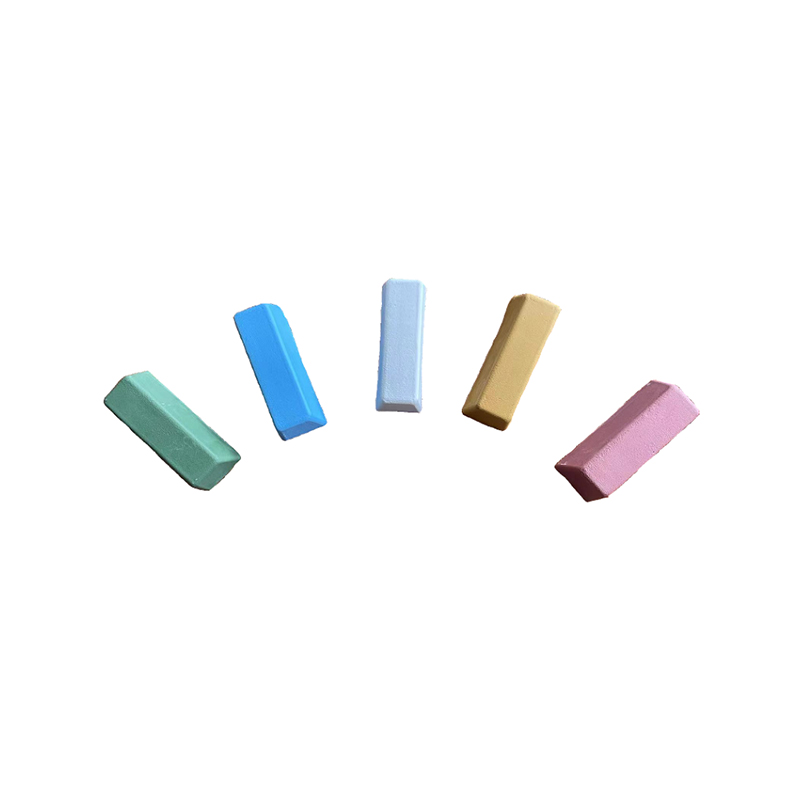
| Red polishing compound | Final mirror finish on copper | Soft cloth wheel or bench motor | Leaves high color and low scratch |
| Green polishing compound | Removing medium tarnish | Sisal wheel or medium cloth wheel | Good balance of cut and finish |
| White polishing compound | Heavy cutting and oxidation removal | Hard sisal wheel or stitched wheel | Do not overuse on thin copper |
| Liquid polishing compound | Manual polishing or small parts | Cotton cloth or soft pad | Easy to apply, good for light tarnish |
| Abrasive pads or sandpaper | Very heavy tarnish | By hand or machine | Use 400-600 grit, then polish |
The keyword here is compound. Copper requires a compound that does not contain harsh abrasives that will scratch the soft metal. Red polishing compound and white polishing compound are the two most common choices. If you are working with raw copper that has deep black spots, start with a fine abrasive pad or 400-grit sandpaper, then move to a buffing wheel and red compound. Trying to polish over deep tarnish without a cutting stage just rubs the oxide into the surface and can make the metal look worse.
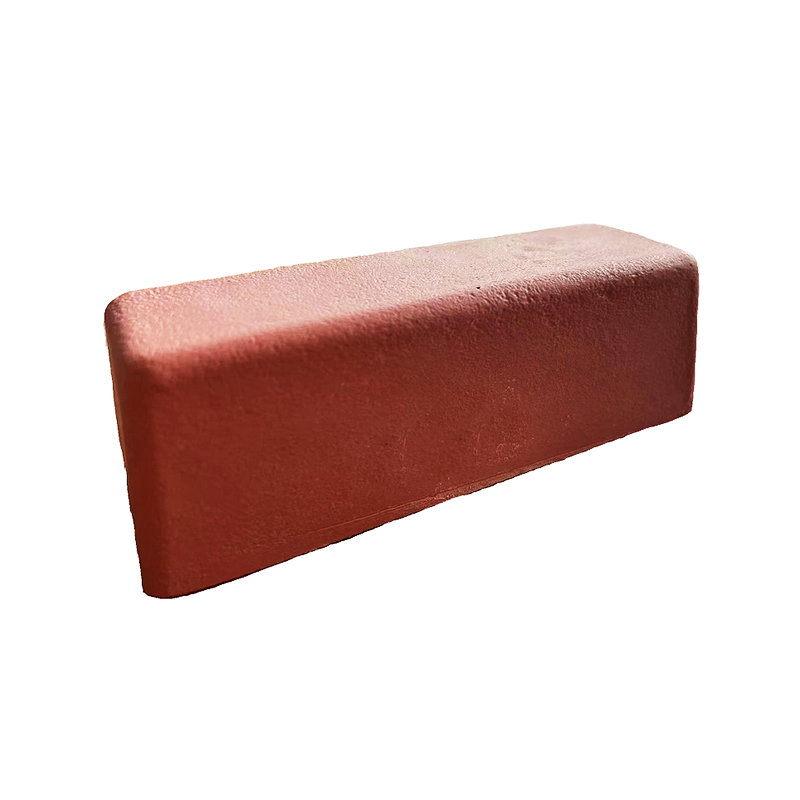 Red Polishing Compound for Soft MetalsRed polishing compound, with iron oxide, removes minor scratches and enhances gloss on copper and other soft metals. It is a reliable choice for achieving a uniform shine during intermediate polishing stages.View Product →
How to Choose the Right Buffing Wheel for Copper
The wheel is just as important as the compound. Copper is a soft metal, so a wheel that is too hard or too aggressive will cut grooves instead of producing a shine. The wheel must hold the compound against the surface and generate enough friction to polish without overheating the metal.
For copper, the following wheel types work best:
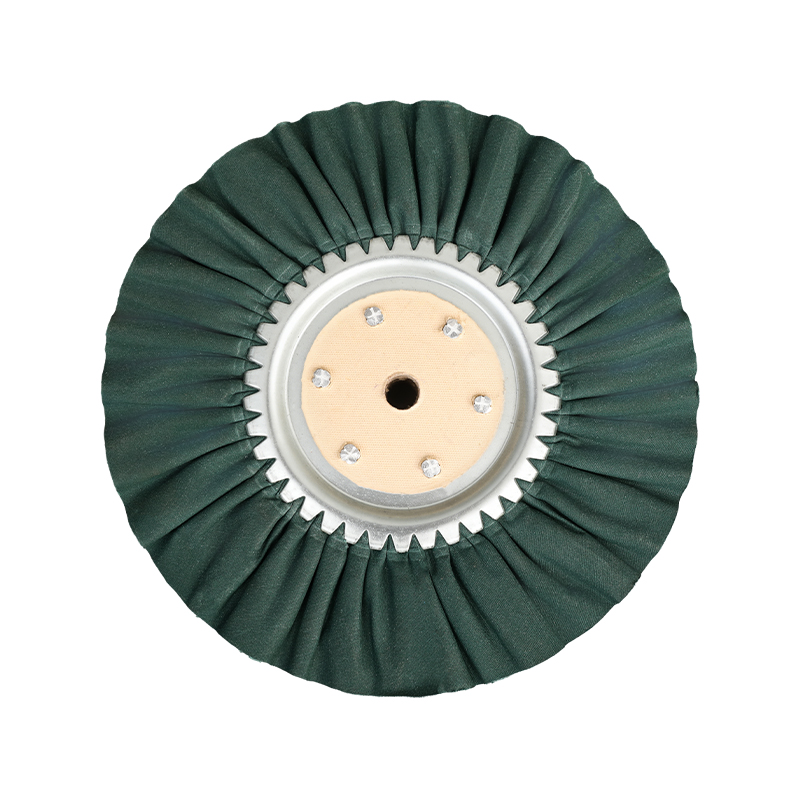
- Hardened cloth wheels: Good for removing minor scratches and applying cutting compounds. They offer a firm contact point and are ideal on bench grinders.
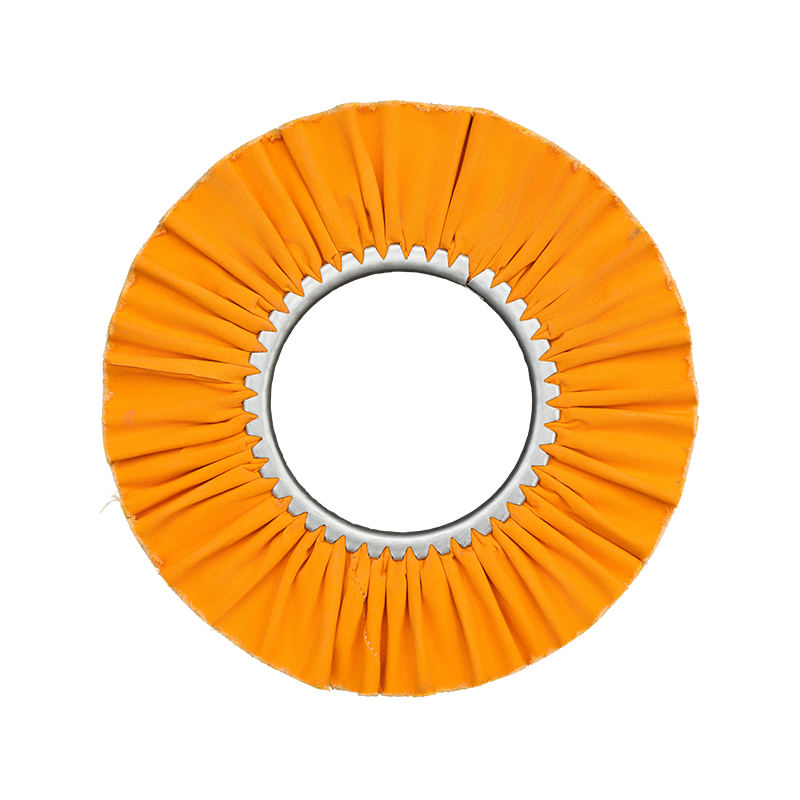
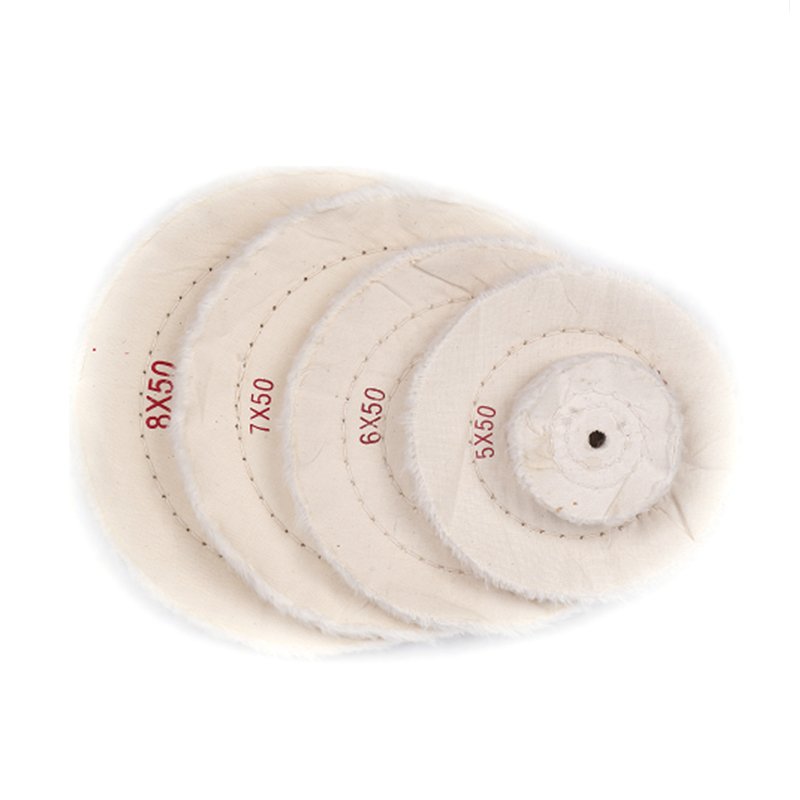
- Folding cloth wheels: Softer than hardened wheels, they conform to curved surfaces and work well with coloring compounds.
- Sisal wheels: Best for heavy tarnish and initial cutting, but use them with care on soft copper because they are aggressive.
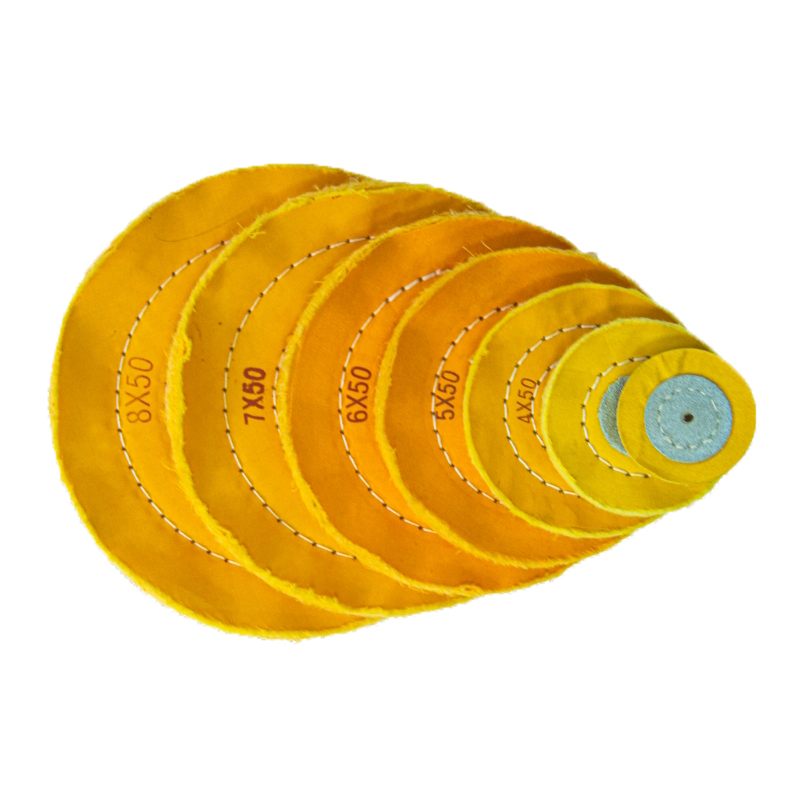
- Cotton wheels: For final coloring and jewelry-grade finishes. White and yellow jewelry cotton wheels are suitable for detail work.
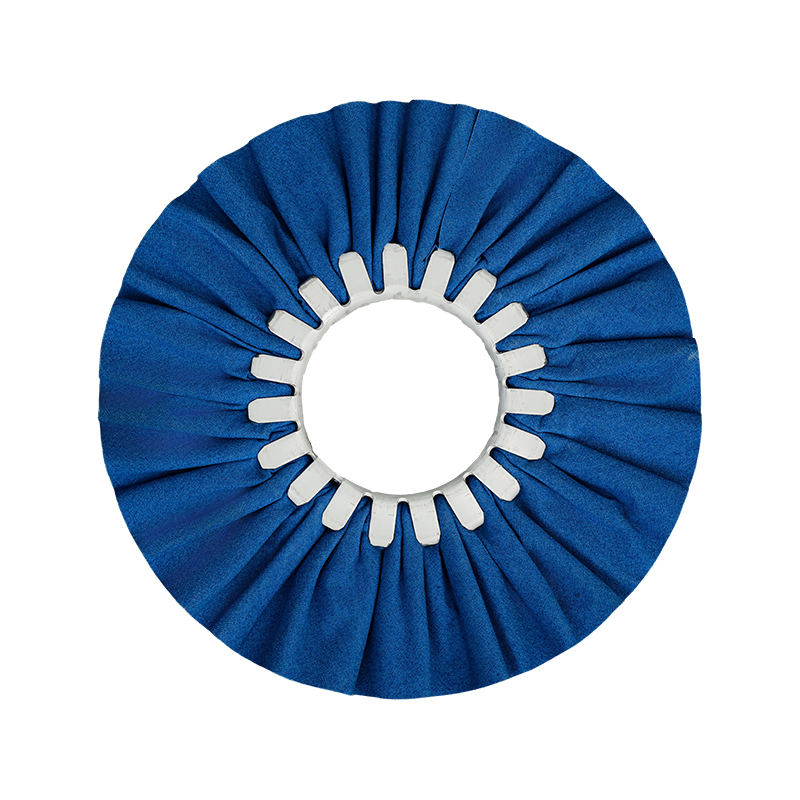
A hardened cloth wheel that is specifically designed for copper, such as the red hardened wind wheel for copper shown below, gives a stable platform for red polishing compound. It combines the stiffness needed to apply pressure with the ability to leave a bright finish.
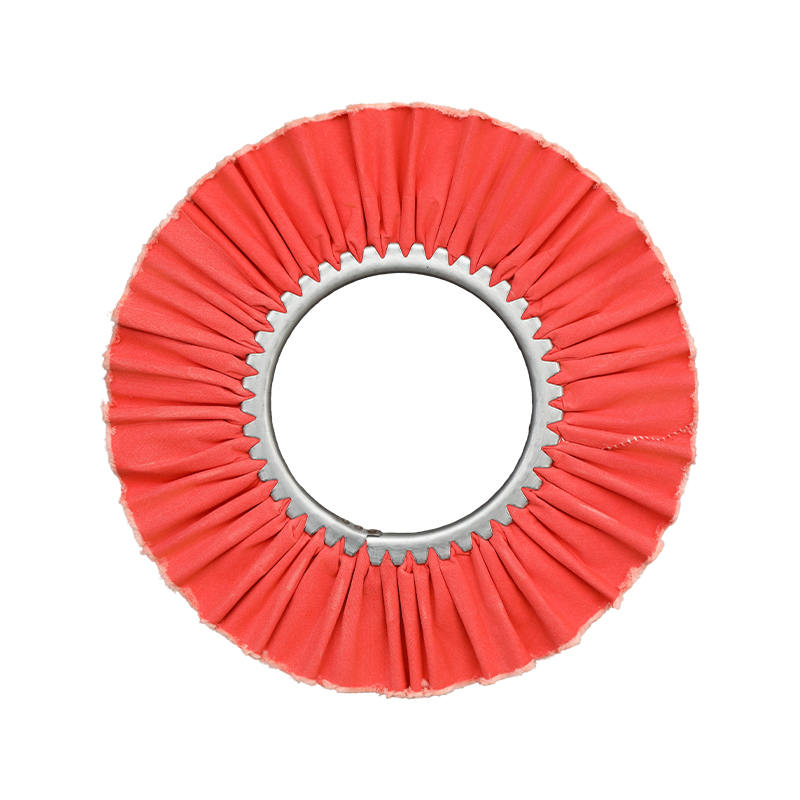 Red Hardened Wind Wheel for Copper BuffingThis hardened cloth wheel is specifically designed for copper. Its dense fabric quickly removes oxidation and burrs while providing stable pressure for an even and bright finish.View Product →
One practical guideline is to keep the wheel speed around 2,000 to 3,000 RPM for copper. Below that, the wheel drags and burns the compound. Above that, the copper heats up, softens, and can blue or distort.
Step-by-Step Process for Machine Polishing Copper
Machine polishing is the most reliable route to a mirror finish on copper. Here is the exact sequence we recommend to production teams.
- Clean the copper. Remove dirt, grease, and loose oxide with warm soapy water and a non-scratch cloth. This prevents contaminants from scratching the surface during buffing.
- Remove heavy tarnish. If the copper is black or brown over most of the surface, use a 400-grit wet sandpaper or a fine abrasive pad. Sand in one direction until the tarnish is gone, then wipe the surface clean.
- Attach the correct wheel. Mount a hardened cloth wheel or folding cloth wheel on a bench grinder or buffer. For copper, use the red hardened wind wheel designed for copper as a primary wheel.
- Apply the polishing compound. Hold the polishing compound bar against the spinning wheel for a few seconds. The friction transfers the compound onto the wheel. Do not apply too much; a thin coat is enough.
- Buff the copper. Press the copper gently against the wheel, moving it back and forth so the wheel does not cut one spot too deep. Keep the copper moving to avoid heat buildup. Use a red polishing compound for this stage.
- Change to a finishing wheel. Replace the cutting wheel with a soft cotton or flannel wheel and apply a small amount of red or blue compound. This is the coloring stage that produces the final mirror reflection.
- Clean and inspect. Wipe the copper with a soft dry cloth and check the reflection under bright light. If you see swirl marks, repeat step 6 with a slightly more flexible wheel.
Hand Polishing Copper: How It Works and When to Use It
Not every piece of copper needs a machine. For small items, decorative objects, and quick touch-ups, hand polishing is perfectly adequate. The principles are the same: use a fine compound and a soft cloth.
The most common DIY method involves a slurry of lemon juice, salt, and flour. The acid dissolves the tarnish, the salt acts as a mild abrasive, and the flour thickens the mixture so it clings to the metal. Apply the slurry, let it sit for a few minutes, then rub with a soft cloth and rinse. This works well for light tarnish, but it cannot remove deep scratches or give a true mirror finish.
For that, you need a commercial polishing compound and a cotton polishing cloth. Apply a small amount of liquid or paste compound to the cloth, rub the copper in a circular motion, and finish with a clean dry cloth. Products like our metal polishing compound offer a safe alternative to DIY slurries, especially when precision is important.
 Metal Polishing Compound for Hand BuffingMetal polishing compound works well for hand polishing copper and other metals. It effectively removes rust, tarnish, and minor scratches, restoring a clean and shiny surface.View Product →
A reliable rule is: if you can feel the tarnish with your fingernail, use a machine. If you cannot, hand polishing with a fine compound will restore the shine without risk of over-buffing.
Common Mistakes That Ruin a Copper Polish
Copper is forgiving, but it can be damaged in ways that are hard to repair. These are the mistakes we see most often in workshops.
- Using an abrasive compound on a soft wheel. This produces swirl marks that show up in the final finish. Match the compound to the wheel hardness.
- Polishing too long in one spot. Heat builds up, the copper expands, and the surface looks blue or purple. Keep moving the workpiece.
- Skipping the preparation stage. Trying to polish over heavy tarnish just embeds the oxide into the copper. Sanding first saves time and gives a cleaner finish.
- Using a compound formulated for steel. Steel compounds are too coarse for copper and will leave deep scratches. Always select a compound made for non-ferrous metals.
- Not cleaning the residue after polishing. Leftover compound can stain the copper and attract tarnish very quickly. Wipe the surface thoroughly.
How to Make Polished Copper Last Longer
A mirror finish on copper is temporary unless you protect it. Bare copper starts to tarnish again within days in humid or sulfur-rich air. To keep the shine for months, consider these approaches:
- Apply a clear lacquer or sealant. Spray lacquers designed for metal create a barrier that blocks oxygen and moisture.
- Wipe with a corrosion inhibitor. Specialized sprays prevent tarnish without changing the color of the metal.
- Store in dry, sealed environments. For decorative pieces, keep them away from rubber, wool, and other materials that emit sulfur gases.
- Clean regularly with a dry soft cloth. Frequent dusting reduces the chances of tarnish settling in and requires less aggressive polishing later.
With the right materials and a few good habits, copper can stay bright for a long time. If you are manufacturing copper parts at scale and want to know the best buffing wheel and compound for your operation, we are glad to help. Talk to our team at Henghua Metal for a recommendation based on your specific copper alloy and surface finish target.