Español
 Deutsch
 عربى
عربىContent
- 1 What Is Sisal Material? The Direct Answer
- 2 Why Sisal Fiber Works So Well for Buffing and Polishing
- 3 How a Sisal Wheel Is Built
- 4 Sisal Wheel vs. Other Buffing Wheel Materials
- 5 How a Sisal Wheel Fits Into the Metal Finishing Process
- 6 Core Advantages of a Well-Made Sisal Wheel
- 7 Industries That Rely on Sisal Wheels
- 8 Choosing the Right Sisal Wheel
- 9 Maintenance and Safe Use Tips
- 10 Manufacturing Quality Behind a Reliable Sisal Wheel
What Is Sisal Material? The Direct Answer
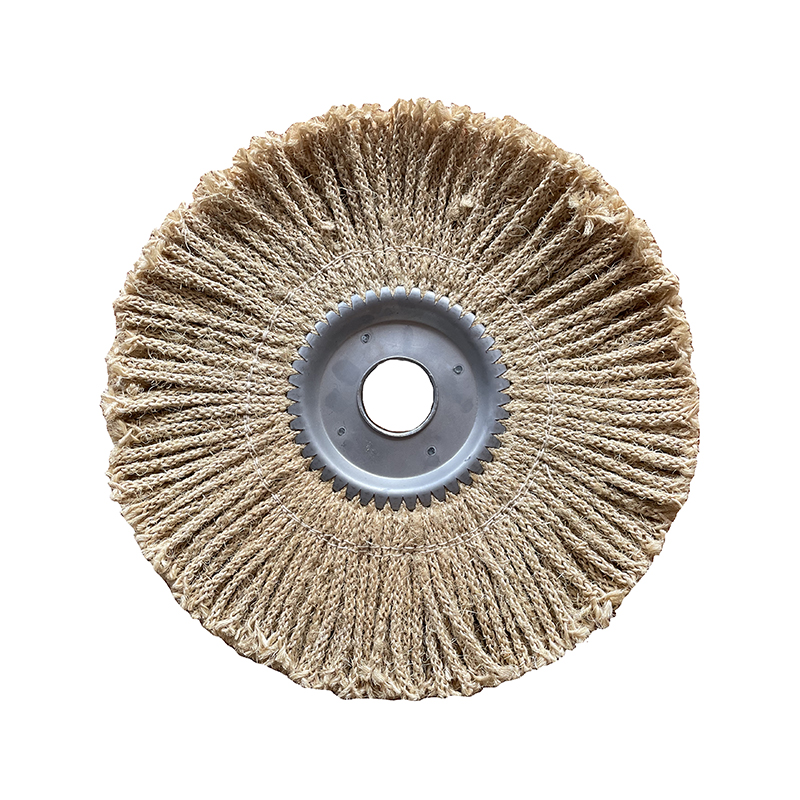
Sisal material is a natural plant fiber extracted from the leaves of the Agave sisalana plant, valued in industrial settings for being stiff, coarse, and far more durable than soft natural fibers such as cotton. That stiffness and natural abrasiveness are exactly why sisal fiber is spun and layered into buffing wheels rather than used the way softer fibers are: instead of gently wiping a surface, a densely wound sisal wheel provides real cutting bite, capable of removing scratches, solder joints, and oxide scale from a metal surface before it ever reaches a finer finishing stage.
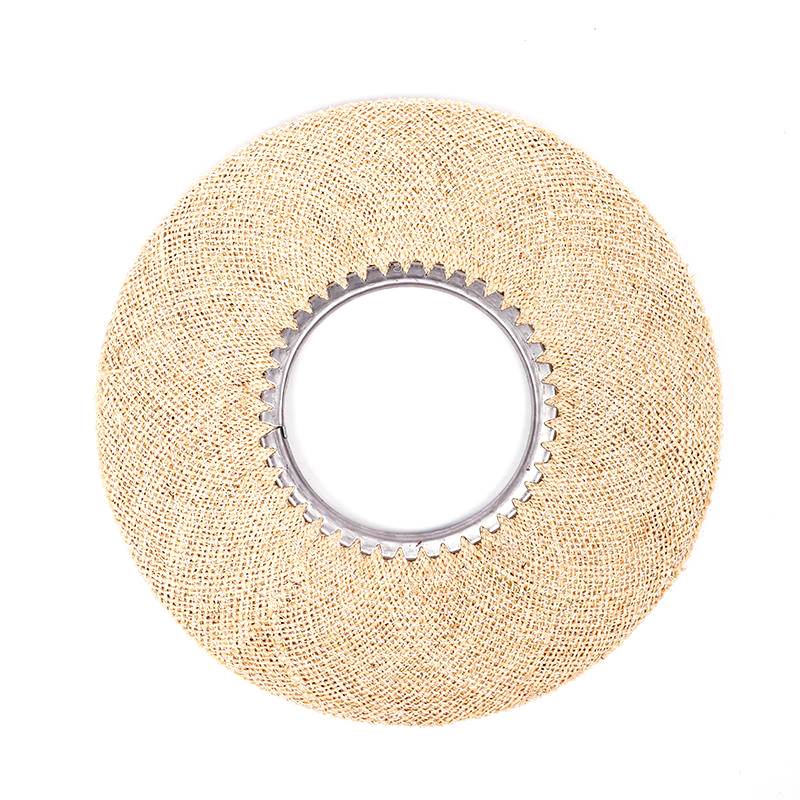
A sisal wheel takes this raw fiber and combines it with multiple layers of pure cotton fabric, stitched into a wheel shape built specifically for working rough surfaces. The result is a tool with excellent hardness and cutting power, purpose-built for the earliest and most demanding stage of a metal polishing sequence.
Why Sisal Fiber Works So Well for Buffing and Polishing
Sisal fiber's natural characteristics translate directly into performance on a metal finishing line. Several properties matter most:
- High tensile strength, which lets the fiber withstand the friction and heat generated at typical buffing speeds without breaking down quickly.
- Natural coarseness, giving the wheel aggressive cutting action for removing weld marks, oxide scale, and casting flash.
- Better heat tolerance than many softer materials, reducing the risk of glazing or scorching the workpiece during heavier cutting passes.
- A renewable, biodegradable origin, since sisal is grown and harvested as a plant fiber rather than manufactured from petroleum-based synthetics.
On their own, however, loose sisal fibers would fray and lose shape quickly under machine rotation. That is where the cotton-layered construction used in a finished sisal wheel becomes just as important as the fiber itself.
How a Sisal Wheel Is Built
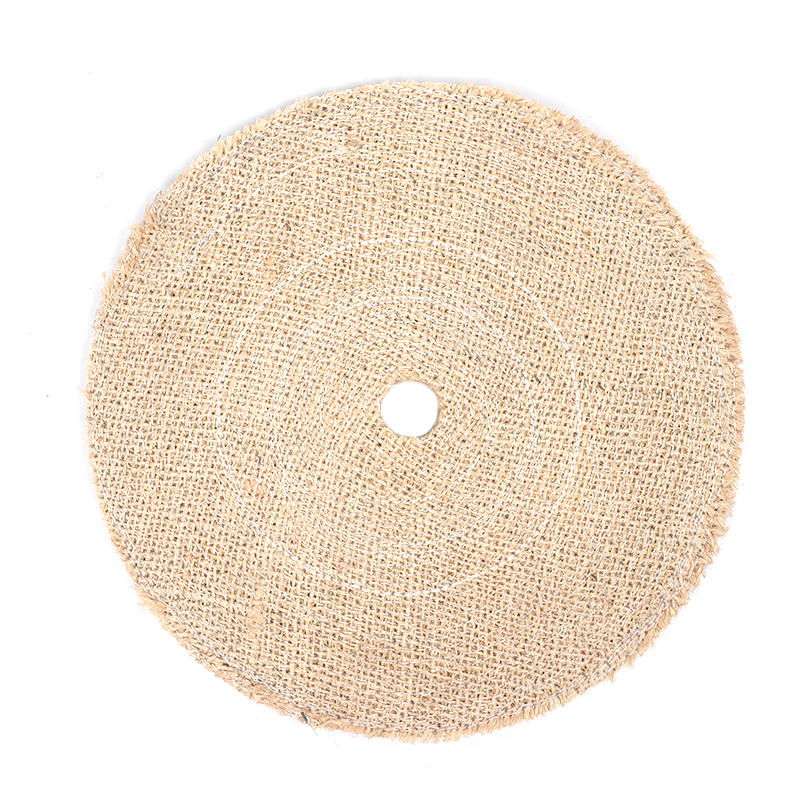
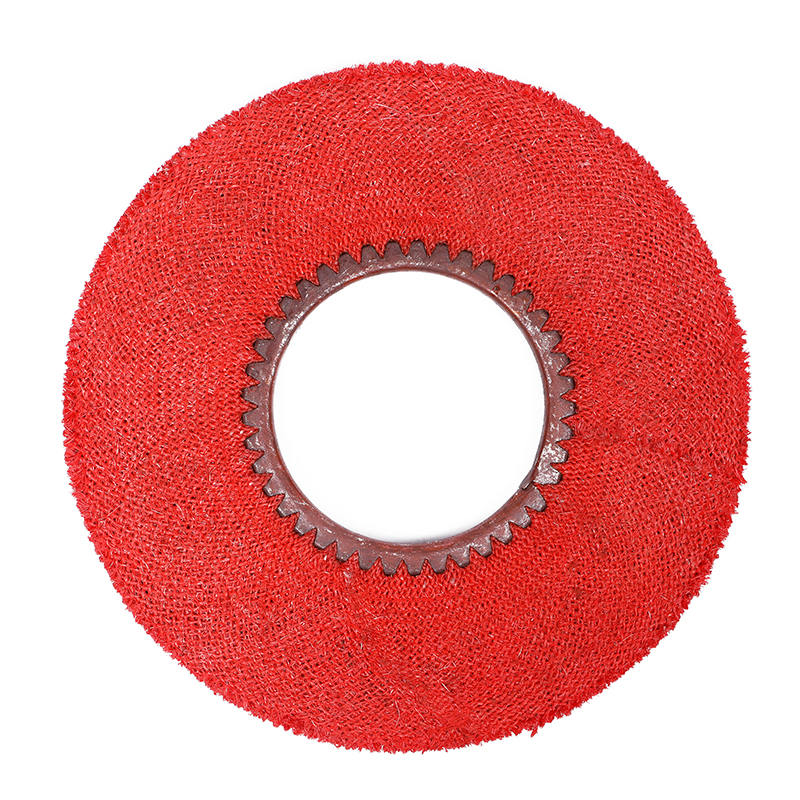
A typical sisal wheel is constructed from natural sisal fiber combined with multiple layers of pure cotton fabric, then compressed and stitched into a flat wheel form with a center bore for mounting on a polishing spindle. This layered construction serves two purposes at once: the cotton layers hold the fiber firmly in place so the wheel keeps its shape and balance at high rotational speed, while the sisal fiber itself provides the actual cutting surface that does the work of leveling a rough metal surface.
Common Wheel Colors and What They Usually Indicate
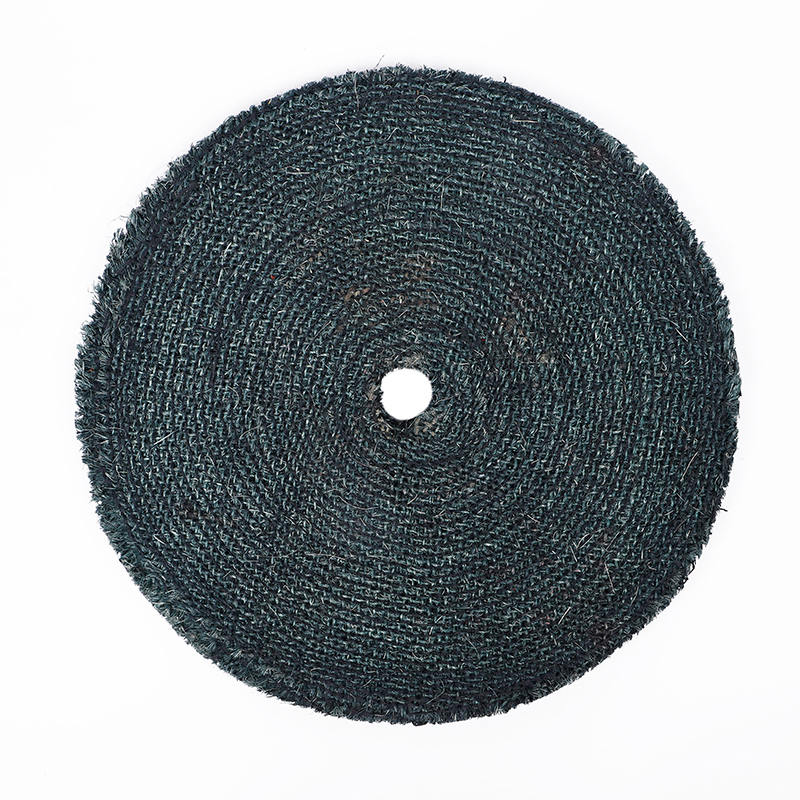
Sisal wheels are often produced in different colors — red, white, and black are among the most common — which manufacturers typically use to signal differences in fiber treatment, density, or intended application stage, rather than any difference in the underlying sisal material itself. Buyers should always confirm the specific grade and recommended use with the manufacturer's product datasheet rather than assuming color alone determines performance, since labeling conventions can vary between suppliers.
Sisal Wheel vs. Other Buffing Wheel Materials
Metal finishing shops typically move through a sequence of wheel types, starting aggressive and finishing soft. The table below shows how a sisal wheel compares to the alternatives commonly used at each stage of that sequence.
| Wheel Material | Cutting Action | Typical Stage of Use |
|---|---|---|
| Sisal wheel | Aggressive, coarse cut | Initial cutting, deburring, scale removal |
| Cotton sewn wheel | Moderate cut | Intermediate cutting and smoothing |
| Loose cotton or flannel wheel | Very light cut | Final coloring and mirror finishing |
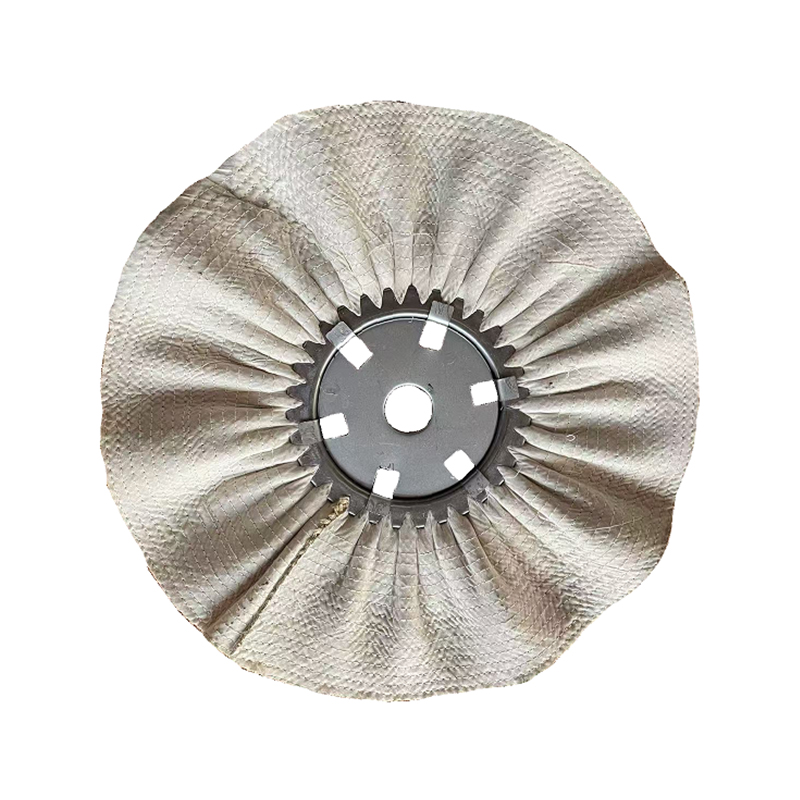
| Flap wheel | Controlled abrasive cut | Edge blending, contoured surfaces |
How a Sisal Wheel Fits Into the Metal Finishing Process
A sisal wheel usually appears at the earliest, most demanding stage of a multi-step polishing sequence, and the workflow generally looks like this:
- The workpiece surface is inspected for weld seams, solder joints, casting marks, or heavy oxide scale that needs to be cut down before any finer finishing begins.
- A sisal wheel, mounted on a polishing machine spindle, is charged with a coarse or medium polishing compound suited to the base metal.
- The operator brings the workpiece into contact with the rotating wheel, letting the stiff sisal fiber cut down surface imperfections and level the metal.
- Once major imperfections are removed, the workpiece moves to a cotton sewn wheel with a finer compound for intermediate smoothing.
- A final pass on a soft loose-cotton or flannel wheel with fine polishing paste produces the finished, mirror-bright surface.
Skipping the sisal-wheel stage on heavily scaled or rough metal usually means softer wheels take far longer to achieve the same result, and can glaze over the surface instead of actually removing deep imperfections.
Core Advantages of a Well-Made Sisal Wheel
Scratch-Free, Smooth Results
Despite its aggressive cutting power, a properly constructed sisal wheel is designed to leave a smooth, scratch-free surface rather than gouging the metal, since the layered cotton backing helps distribute pressure evenly across the wheel face during contact.
Wear Resistance and Efficiency
Because sisal fiber holds up well under sustained friction, a quality wheel can run through extended production cycles without needing frequent replacement, which keeps per-part polishing costs lower on high-volume finishing lines.
Compatibility with Polishing Compounds
Sisal wheels are designed to be charged with polishing paste or compound, and this pairing is what allows the same wheel to be used for both coarse cutting and lighter fine-polishing tasks depending on the compound selected.
Industries That Rely on Sisal Wheels
Because so many manufactured goods rely on a clean, bright metal or coated finish, sisal wheels appear across a wide span of industries:
- Hardware manufacturing, where fittings and fasteners need a consistent, presentable surface finish before plating or coating.
- Jewelry production, where sisal wheels handle initial cutting before finer cotton wheels bring pieces to a mirror shine.
- Watch component finishing, where consistent surface quality across small, precise parts matters for both appearance and fit.
- Automotive parts manufacturing, particularly for trim, brackets, and other visible or safety-relevant metal components.
- Stainless steel product finishing, including kitchenware, appliance panels, and architectural fittings.
Beyond bare metal, sisal wheels are also used for polishing and waxing painted or resin-coated surfaces, extending their usefulness beyond pure metalworking into general surface-finishing applications.
Choosing the Right Sisal Wheel
Sisal wheels are not one-size-fits-all; a few construction details determine how well a specific wheel performs on a given job:
- Ply and diameter — thicker, larger-diameter wheels hold up better under sustained heavy cutting on large workpieces.
- Stitching pattern — spiral-sewn sisal wheels tend to run firmer and cooler than loosely assembled alternatives, extending wheel life under continuous use.
- Compound compatibility — matching the wheel to a compound suited for the base metal (steel, aluminum, brass) prevents excess heat buildup and uneven cutting.
- Spindle bore size and arbor fit — confirming the wheel's center bore matches the polishing machine's spindle avoids wobble that reduces both finish quality and wheel lifespan.
Maintenance and Safe Use Tips
Getting the full service life out of a sisal wheel takes a few basic habits on the shop floor:
- Dress the wheel face periodically with a wheel rake to expose fresh fiber and restore consistent cutting action as the surface wears.
- Store wheels away from moisture, since sisal is a natural fiber that can absorb humidity and lose stiffness if kept in damp conditions.
- Run the wheel within its rated maximum RPM, since exceeding the manufacturer's speed rating increases the risk of wheel failure and operator injury.
- Always use proper eye and face protection, since polishing operations throw off compound residue and fine metal particles at high speed.
Manufacturing Quality Behind a Reliable Sisal Wheel
Henghua, a manufacturer specializing in polishing and finishing wheels, produces sisal wheels built from natural sisal fiber layered with pure cotton fabric, alongside related products such as wind wheels, jewelry cotton wheels, flap wheels, and polishing compounds. Offering variants including red, white, and black flat sisal wheels, the company applies consistent construction standards across its polishing wheel lineup, which is what allows customers to move confidently from coarse cutting through to final mirror polishing using wheels engineered to work well together in sequence.
For buyers comparing suppliers, it is worth asking directly about fiber density, cotton layer count, and rated maximum RPM, since these construction details matter more to real-world cutting performance and wheel longevity than color or price alone.