Español
 Deutsch
 عربى
عربىContent
- 1 Quick Answer: The Best Polishing Compound for Aluminum
- 2 Understanding Polishing Compound Color Codes
- 3 Why Aluminum Needs a Two-Step Compound Approach
- 4 Matching Compound to Wheel Type
- 5 Step-by-Step: Polishing Aluminum to a Mirror Finish
- 6 How Wheel Speed and Compound Loading Affect the Result
- 7 Common Mistakes That Reduce Polish Quality on Aluminum
- 8 Storing and Handling Compound Bars for Consistent Results
- 9 Sourcing a Reliable Polishing Compound Supplier
Quick Answer: The Best Polishing Compound for Aluminum
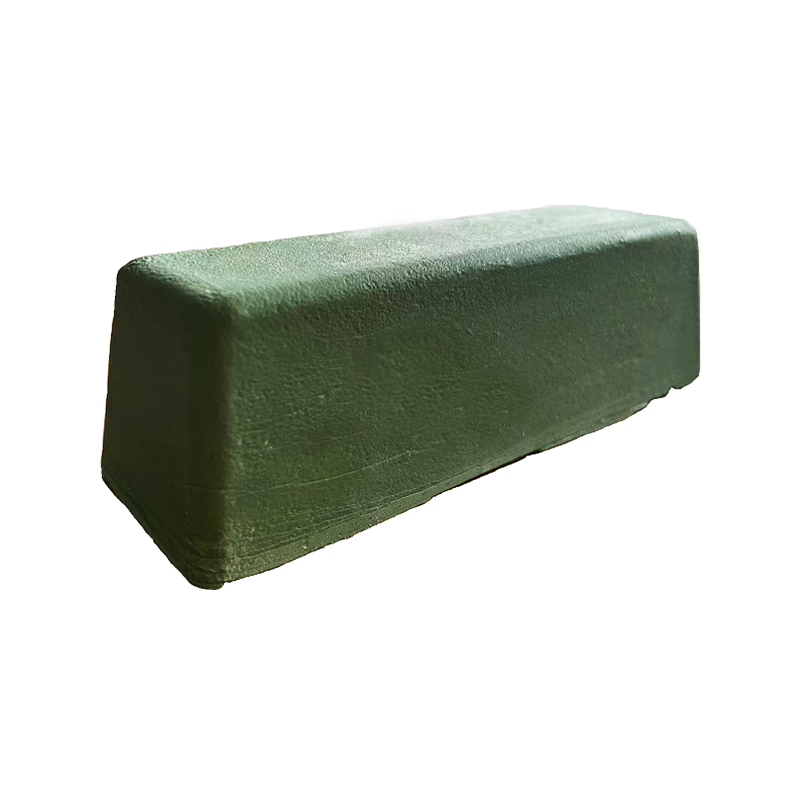
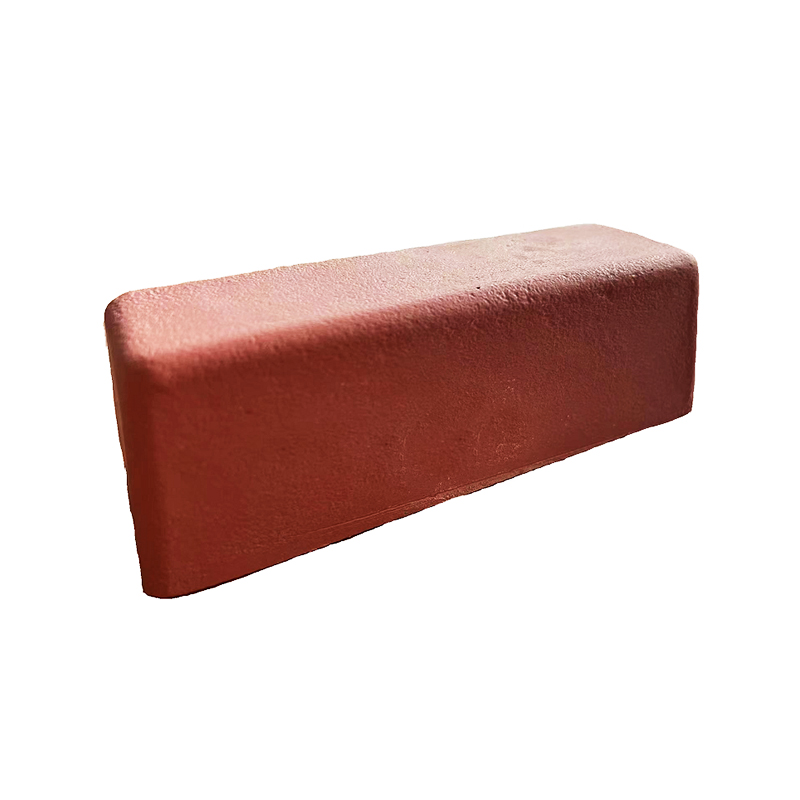
For aluminum, the best results come from using two Polishing Compound bars in sequence rather than relying on a single product: a green or brown cutting compound to remove oxidation and light scratches, followed by a white or red finishing compound to bring up a bright, mirror-like shine. Aluminum is a relatively soft metal, so an overly aggressive abrasive can leave fine scratch patterns, sometimes called "spider webbing," that a finishing compound is specifically designed to erase. Skipping straight to a fine compound on a heavily oxidized or scratched surface almost always produces a duller, less even result than working through both stages in order. The sections below explain how compound color relates to abrasive grade, why aluminum specifically needs this two-step approach, how to match the compound to the wheel and finish you are working toward, and how to keep both the compound and the equipment performing consistently over repeated use.
Understanding Polishing Compound Color Codes
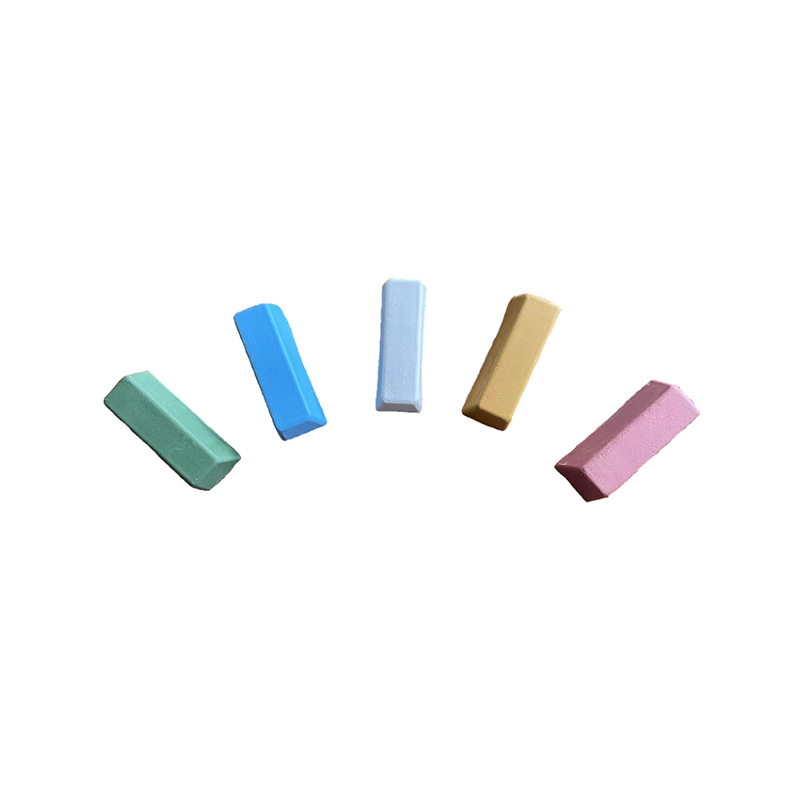
Buffing bars are color-coded by industry convention to indicate their abrasive grade and intended use, though exact formulations can vary slightly between manufacturers. Knowing the general pattern helps when selecting a bar for aluminum work, since reaching for the wrong color can waste time cutting when you meant to finish, or leave a hazy surface when you needed to remove oxidation first.
| Compound Color | Typical Abrasive Level | Common Use on Aluminum |
|---|---|---|
| Green | Medium-fine cutting | Removing oxidation and light surface scratches |
| Brown or grey | Coarse cutting | Heavier oxidation removal on rough or pitted surfaces |
| White | Fine finishing | Bringing up a bright, mirror-like final shine |
| Red | Fine finishing | Final color buffing and luster enhancement |
| Yellow | General purpose | All-around polishing between coarse cutting and final finishing |
It's worth noting that these colors are a convention rather than a strict standard, so a bar's actual cut and finish characteristics should be confirmed against the specific manufacturer's product information rather than assumed from color alone, particularly when switching between suppliers.
Why Aluminum Needs a Two-Step Compound Approach
Aluminum is softer than stainless steel and most other commonly polished metals, which means it is easier to cut but also easier to over-scratch. A single aggressive Polishing Compound can remove oxidation quickly but leave a hazy, fine-scratched surface that never quite reaches a true mirror finish on its own, no matter how long the buffing continues at that stage.
The Cutting Stage
A green or brown cutting compound, used with a firmer wheel such as a sisal wheel, removes surface oxidation and levels out scratches and pitting quickly. This stage prioritizes speed and material removal over final appearance, and it is normal for the surface to still look somewhat dull or streaked once cutting is complete.
The Finishing Stage
A white or red finishing compound, applied with a softer cotton or flap wheel, then removes the fine scratch pattern left by the cutting stage and brings up the reflective, mirror-like surface most people associate with polished aluminum. Because this stage uses a much less aggressive abrasive, it typically takes longer per section than the cutting stage, but produces a noticeably deeper and more even shine.
Matching Compound to Wheel Type
The wheel used alongside a Polishing Compound affects the result as much as the compound itself, since wheel firmness controls how aggressively the compound is applied to the surface and how much heat builds up during buffing.
- Sisal wheels are firm and aggressive, best paired with coarser cutting compounds for initial oxidation and scratch removal on aluminum that has been left exposed to weather or heavy handling.
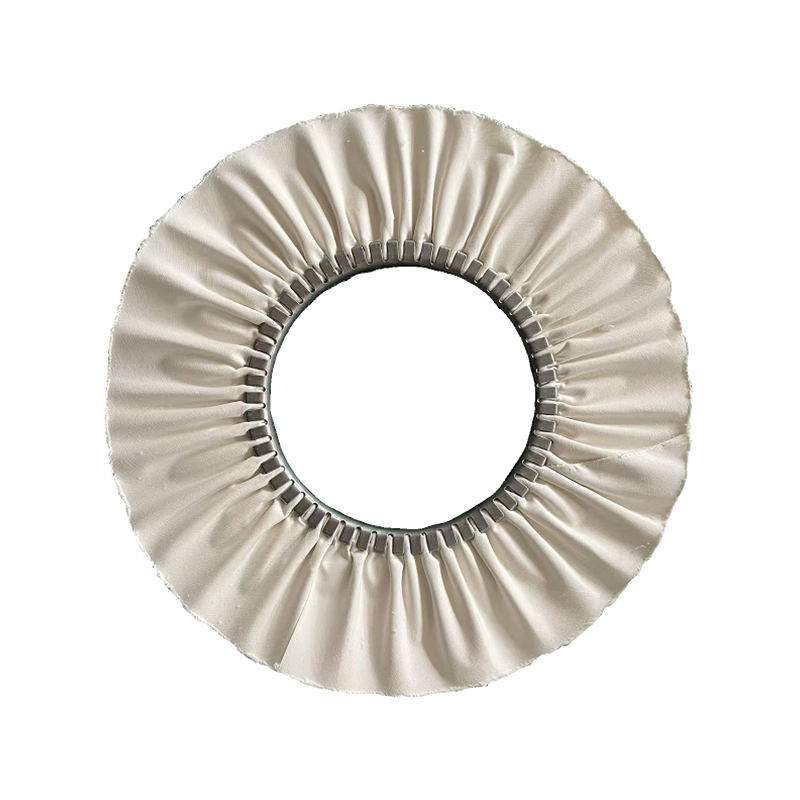
- Cotton or jewelry cotton wheels are softer and more flexible, suited to finishing compounds where a gentler touch preserves detail on curved or contoured aluminum parts such as trim pieces or fittings.
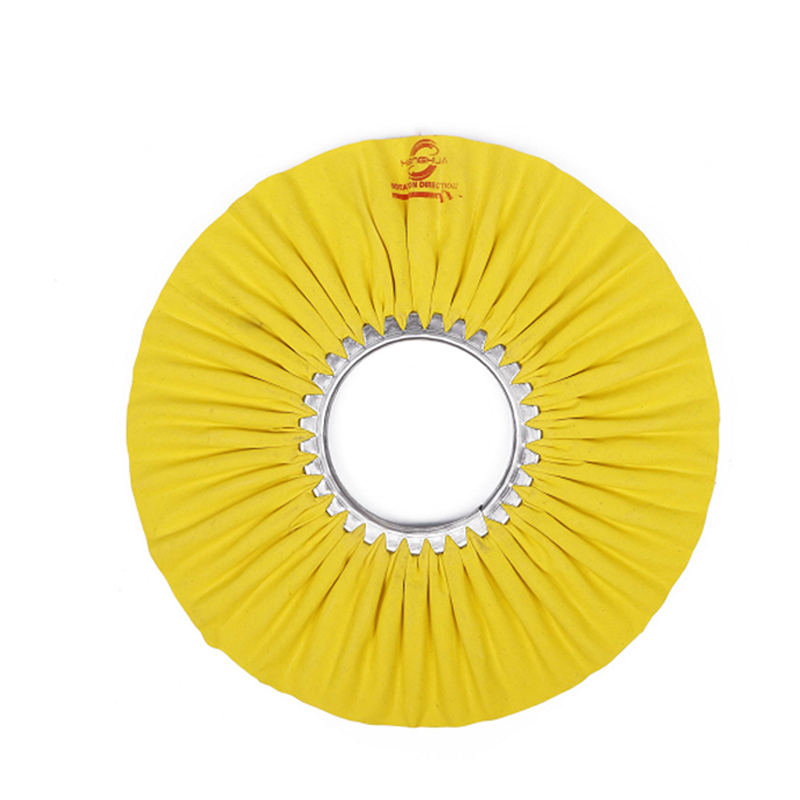
- Flap wheels combine an abrasive-impregnated flap design that works well for blending compound application across flat or slightly uneven aluminum surfaces, and can be useful as a transition step between cutting and final finishing.
- Wind wheels, being softer and more airy in construction, are often reserved for the very last light buffing pass, where the goal is simply to remove any remaining haze rather than to cut material.
Step-by-Step: Polishing Aluminum to a Mirror Finish
- Clean the aluminum surface thoroughly to remove grease, dirt, and loose oxidation before applying any compound, since contaminants trapped under the compound can create new scratches rather than removing old ones.
- Apply a green or brown cutting compound to a sisal wheel and work in overlapping passes at moderate wheel speed until oxidation and visible scratches are removed across the full surface.
- Wipe the surface clean of cutting compound residue before switching wheels, since leftover coarse compound can contaminate the finishing stage and reintroduce scratches that undo the benefit of the finer bar.
- Apply a white or red finishing compound to a cotton or flap wheel and buff in light, even passes until a bright, reflective finish appears across the entire piece.
- Finish with a clean, compound-free wheel or soft cloth pass to remove any remaining residue and reveal the final shine without adding any additional abrasive action.
- Inspect the surface under strong, angled light, which reveals fine scratches or missed spots far more clearly than overhead lighting, and repeat the finishing pass on any area that still looks hazy.
How Wheel Speed and Compound Loading Affect the Result
Two variables that get overlooked almost as often as compound color are wheel speed and how heavily the compound is loaded onto the wheel. Running a buffing motor too fast on soft aluminum generates excess heat at the contact point, which can discolor the metal or even cause slight surface melting on thin sections, rather than producing a faster or better cut. A moderate surface speed, combined with light, overlapping passes, generally produces a more even result than pressing hard and fast in one spot.
Compound loading matters just as much. A wheel that has picked up too much Polishing Compound tends to smear rather than cut, since the excess material cushions the wheel away from direct contact with the metal. Reapplying compound in small amounts as the wheel starts to feel dry, rather than loading it heavily all at once, keeps the abrasive action consistent from the first pass to the last.
Common Mistakes That Reduce Polish Quality on Aluminum
- Skipping the cutting stage and going straight to a fine finishing compound, which leaves existing scratches and oxidation only partially masked rather than removed.
- Using the same wheel for both cutting and finishing compound without cleaning it, which carries coarse grit into the finishing stage and reintroduces fine scratches.
- Applying too much compound at once, which can build up heat on the aluminum surface and cause discoloration rather than a cleaner cut.
- Running the wheel at excessive speed on soft aluminum, which increases the risk of burn marks and uneven finish rather than a faster result.
- Storing compound bars in a hot, humid environment, which can soften the bar and cause uneven wear against the wheel during use.
Storing and Handling Compound Bars for Consistent Results
A Polishing Compound bar's performance can drift over time if it isn't stored correctly, particularly in workshops where temperature and humidity swing seasonally. Bars kept in a cool, dry location retain a firmer texture, which transfers to the wheel more evenly than a bar that has partially softened from heat exposure. It also helps to keep different compound grades clearly labeled and physically separated, since compound dust from a coarse bar can easily transfer onto a finer bar if they are stored touching one another, quietly degrading the finer bar's performance without an obvious cause.
Sourcing a Reliable Polishing Compound Supplier
Henghua manufactures a full range of buffing wheels and Polishing Compound bars, including white, red, green, and yellow formulations designed for metal finishing across gold and silver jewelry, hardware, automotive parts, stainless steel, and aluminum. The company's compound range is built to improve polishing efficiency and surface smoothness, fill minor surface scratches during the buffing process, and reduce wear on the polishing wheel itself while protecting the workpiece underneath, whether the job calls for rough initial cutting or a final mirror-grade pass.
When comparing suppliers for an aluminum finishing project, matching the Polishing Compound grade and color to the specific wheel type in use — rather than choosing a single all-purpose bar — remains the most reliable way to reach a consistent, mirror-quality finish across a full production run. Requesting a small trial batch across a few workpieces before committing to a large order is also a practical way to confirm a given compound and wheel combination performs as expected on your specific aluminum alloy before scaling up production.