Español
 Deutsch
 عربى
عربىContent
- 1 What Is Polishing Cream? The Direct Answer
- 2 How Polishing Cream Works at a Chemical Level
- 3 Common Applications: What Surfaces Can Polishing Cream Be Used On?
- 4 New Polishing Cream vs. Traditional Metal Polish: What Has Changed
- 5 Types of Polishing Cream by Application Scenario
- 6 How to Use Polishing Cream Correctly: Step-by-Step
- 7 Industrial vs. Household Polishing Cream: Key Differences
- 8 What to Look for When Choosing a Polishing Cream
- 9 Polishing Cream for Metal Hardware: The Industrial Perspective
What Is Polishing Cream? The Direct Answer
A polishing cream is a semi-solid surface treatment compound formulated to clean, restore, and protect metal and other hard surfaces. It works by combining mild abrasive particles — such as aluminum oxide or fine mineral powders — with lubricating and chemical agents in a thick, spreadable base. When applied by hand or machine, the abrasive micro-particles gently remove oxidation, tarnish, surface scratches, rust stains, and dullness, while the carrier compounds fill minor imperfections and leave behind a protective coating that resists future corrosion and fingerprints.
In short: a polishing cream cleans, restores shine, and protects in one step — making it one of the most practical and cost-effective surface care products for both household and industrial metal applications.
How Polishing Cream Works at a Chemical Level
The effectiveness of a polishing cream comes from the interaction of three functional layers within its formula:
Abrasive Micro-Particles
These are the cutting agents. Fine mineral abrasives — such as aluminum oxide, chromic oxide, calcium carbonate, or feldspar powder — physically abrade the surface at a microscopic level, removing the top layer of oxidation, tarnish film, and minor scratches. The particle size determines how aggressive the polish is: finer particles produce a higher-gloss, mirror-like finish, while coarser particles handle heavier corrosion and staining.
Chemical Tarnish Removers
Many polishing cream formulas include organic acids or chelating agents (such as oleic acid or citric compounds) that chemically dissolve metal oxides and sulfide tarnish layers that abrasion alone cannot remove. This dual-action approach — mechanical abrasion plus chemical reaction — is what allows a quality polishing cream to restore surfaces that have been neglected for months or years.
Protective Film Formers
After cleaning, polishing creams deposit a thin protective layer — often derived from waxes, silicones, or polymer sealants — that slows re-oxidation. This layer acts as a barrier against moisture, oxygen, and airborne contaminants, extending the time between polishing sessions. On silverware, for example, a well-applied polishing cream can help maintain the shine for several months before retreatment is needed.
Common Applications: What Surfaces Can Polishing Cream Be Used On?
A well-formulated new polishing cream is versatile enough to work across a wide range of surfaces. Here is a practical breakdown of the most common applications:
| Surface Type | Common Problems Treated | Expected Result |
|---|---|---|
| Stainless Steel | Water spots, fingerprints, light rust | Bright, streak-free finish |
| Copper & Brass | Green patina, deep tarnish, oxidation | Restored warm metallic luster |
| Chrome | Pitting, dullness, surface corrosion | Mirror-like reflective surface |
| Aluminum | Oxidation, chalking, road grime | Uniform, polished appearance |
| Silver & Gold | Black tarnish, dull finish | Jewelry-grade brilliance |
| Ceramic & Glass | Surface stains, minor scuffs | Clean, smooth surface |
In industrial settings — such as metal hardware manufacturing — polishing cream is used on finished components to achieve the surface finish specification required by customers before shipment. In domestic settings, the same chemistry handles everything from kitchen appliances to automotive chrome trim.
New Polishing Cream vs. Traditional Metal Polish: What Has Changed
Older polishing pastes often relied on highly aggressive abrasives and acid-based tarnish removers that, while effective, carried real risks: they could scratch polished surfaces, leave chemical residues, or require significant effort and multiple products. A new polishing cream formulation addresses these shortcomings through several advances:
- Finer abrasive particle size: Modern micro-abrasive technology allows the cream to cut through oxidation without leaving visible scratch marks on polished metal surfaces, enabling a mirror finish from a single product.
- Non-toxic, skin-safe formulas: Many new polishing cream products are formulated without harsh acids, ammonia, or heavy solvents, making them safer to handle without protective gloves for routine use.
- Combined action in one step: Where older methods required separate cleaning, polishing, and protecting products, a new polishing cream integrates all three functions — reducing application time and material cost.
- Universal substrate compatibility: Advanced formulas work across a broader range of surfaces — metals, ceramics, glass, and some plastics — from a single product.
- Longer-lasting protective layer: Improved polymer sealant technology extends the time a treated surface resists re-tarnishing, reducing the frequency of retreatment.
Types of Polishing Cream by Application Scenario
Not all polishing creams are the same. The right choice depends on the metal type, the severity of surface damage, and whether the application is by hand or by machine.
Light-Cut Polishing Cream
Designed for regular maintenance polishing on surfaces that are already in good condition. Uses very fine abrasives to remove light fingerprints, minor tarnish, and surface hazing. Produces the highest gloss level and is safe for frequent use on delicate surfaces such as jewelry, silver tableware, and decorative chrome fittings.
Heavy-Cut Polishing Cream
Formulated with coarser abrasive grades for heavily oxidized, stained, or corroded surfaces. Removes deep tarnish, rust staining, heat discoloration, and road grime that light polishes cannot touch. Often used as a first step, followed by a fine polishing cream to restore final gloss. Widely used in automotive detailing and industrial metal restoration.
Multi-Purpose (Universal) Polishing Cream
Balances cutting power with finishing ability. Works on a wide range of metals and substrate types in a single pass, making it the most practical choice for general household use, workshops, and maintenance teams that service many different surface types. Many professional-grade metal polishing creams — including those produced for the hardware and metal processing industry — fall into this category, combining an initial heavy-cut phase (using a more abrasive formulation) with a follow-up fine-gloss phase for optimal combined results.
How to Use Polishing Cream Correctly: Step-by-Step
Correct application technique is as important as the quality of the polishing cream itself. Applying too much product, using the wrong cloth, or skipping surface preparation can produce substandard results even with an excellent cream.
- Clean the surface first. Remove loose dirt, grease, and dust with a mild cleaner and a dry cloth before applying any polishing cream. Abrasive particles embedded in dirt will cause deeper scratching.
- Apply a small amount. Squeeze or scoop a small amount of polishing cream onto a soft microfiber cloth or foam applicator pad. A pea-sized amount covers an area of approximately 15–20 cm². Using too much wastes product and makes buffing harder.
- Work in circular motions. Rub the cream into the surface using firm, overlapping circular strokes. This distributes the abrasive action evenly and avoids leaving directional scratch patterns. Continue until the surface appears clean and a light haze forms.
- Allow a brief drying period. Let the cream haze dry for 1–3 minutes (follow the product's specific instructions). This allows the protective film formers to begin bonding with the surface.
- Buff to a shine. Using a clean, dry microfiber cloth, buff the surface with light, circular pressure until the haze disappears and the desired shine appears. For a mirror finish on metal, a second pass with a clean section of cloth improves results significantly.
- For heavily tarnished surfaces: Apply a heavy-cut polish first, then follow with a fine or universal polishing cream for the final gloss stage.
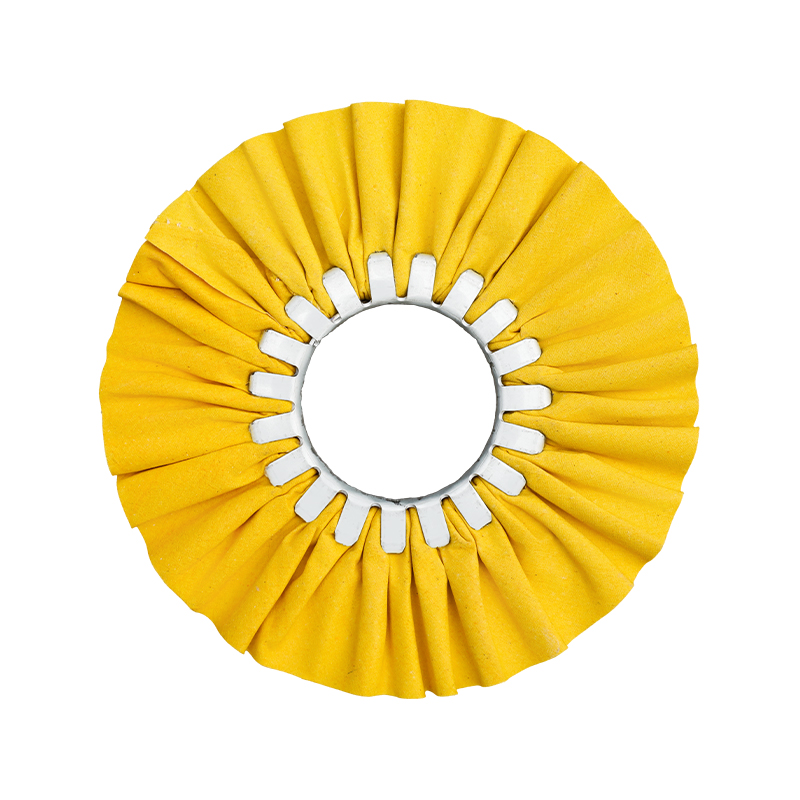
For machine application using a rotary or orbital polisher, use a foam or wool pad appropriate to the product type, and work at a low to medium speed to prevent overheating the surface or flinging excess cream.
Industrial vs. Household Polishing Cream: Key Differences
The same fundamental chemistry applies to both industrial and household polishing creams, but the scale, concentration, and specification requirements differ considerably.
Household Polishing Cream
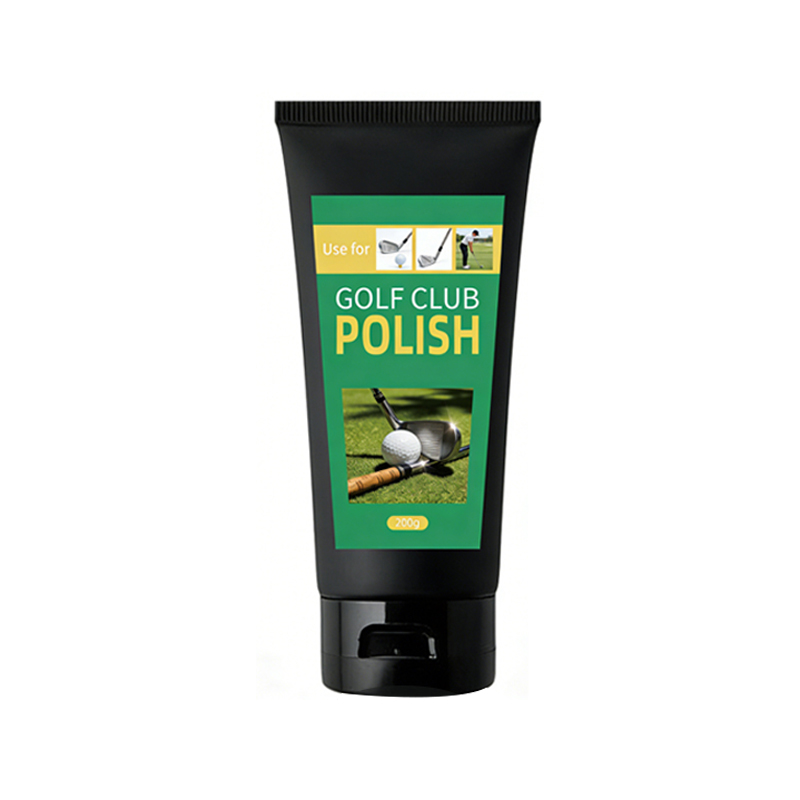
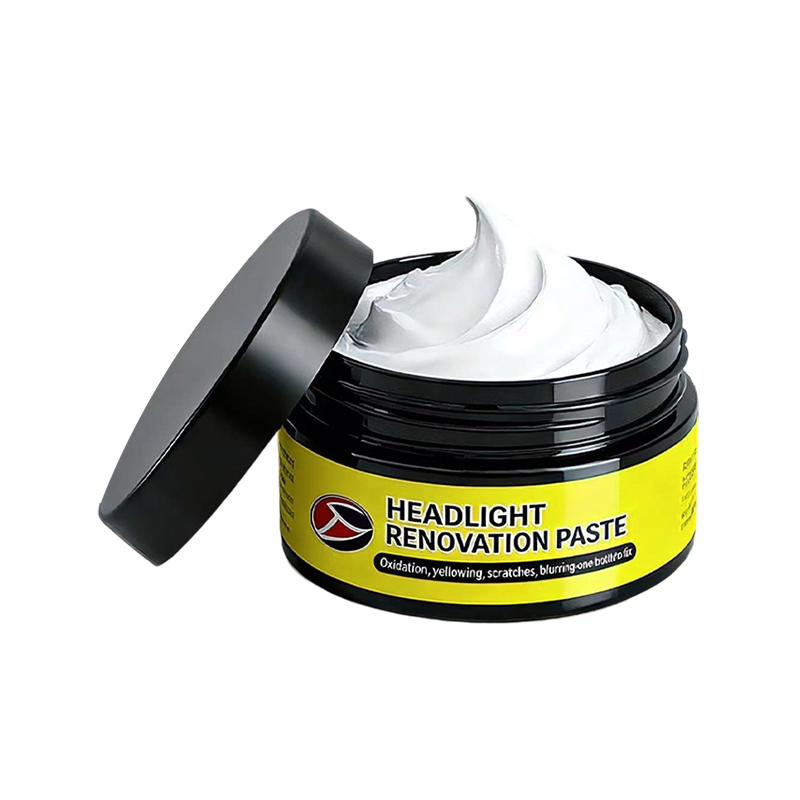
Packaged in small tubes or jars (typically 100g–300g), household polishing creams prioritize ease of use, pleasant scent, and safety for incidental skin contact. They are designed for hand application and moderate tarnish levels — silverware, kitchen utensils, bathroom fittings, decorative brass, and jewelry.
Industrial / Commercial Polishing Cream
Used in manufacturing, metal fabrication, and surface treatment facilities, industrial polishing creams are supplied in larger packaging (1 kg, 5 kg, or drum quantities) and are formulated to meet specific surface roughness (Ra) targets. Metal hardware manufacturers — such as those specializing in brass fittings, stainless steel components, and decorative metal parts — use polishing cream as a critical final-stage treatment before quality inspection and shipment. The goal is a consistent, reproducible surface finish across every production batch.
Companies specializing in metal surface treatment, such as cnhenghuametal.com, develop and supply new polishing cream products specifically engineered for industrial production lines — where throughput, finish consistency, and compatibility with downstream coating processes are the primary performance criteria.
What to Look for When Choosing a Polishing Cream
With many polishing cream products available, selecting the right one for your specific application requires evaluating a few key factors:
- Substrate compatibility: Confirm the product is suitable for your specific metal or surface. Some polishing creams are optimized for soft metals like copper and brass; others are designed for harder surfaces like stainless steel or chrome.
- Abrasive grade: For light maintenance and delicate surfaces, choose a fine-cut product. For heavy corrosion, oxidation, or heat staining, start with a heavy-cut formula and finish with a fine cream.
- Chemical safety profile: Check whether the formula is acid-free, ammonia-free, and non-toxic. This matters for food-contact surfaces (silverware, kitchen equipment) and for user safety in enclosed spaces.
- Application method: Some polishing creams are optimized for hand application; others perform better with a machine polisher. Product instructions will specify which approach delivers best results.
- Shelf life: Quality polishing creams typically carry a shelf life of 3–4 years when stored in a cool, dry place away from direct sunlight. Check the packaging for a production date and expiry period before purchasing in bulk.
- Protective properties: For applications where long-term corrosion resistance matters — marine hardware, outdoor metal fixtures, automotive chrome — choose a polishing cream that explicitly provides a protective sealant layer after buffing.
Polishing Cream for Metal Hardware: The Industrial Perspective
In the metal hardware manufacturing sector, polishing cream plays a role that goes beyond aesthetics. Surface finish quality directly affects product value, corrosion resistance, and the adhesion quality of any subsequent coating — whether electroplating, lacquering, or powder coating. A new polishing cream used before finishing processes must meet strict requirements:
- No residue contamination: Any chemical residue left on the metal surface can disrupt electroplating adhesion or cause coating defects. Industrial polishing creams are formulated to rinse cleanly without leaving film residues.
- Consistent abrasion level: Batch-to-batch consistency of the abrasive particle size is essential for reproducible surface roughness (Ra) values across production runs.
- Compatibility with automated equipment: In high-volume production, polishing cream is applied and buffed using automated polishing wheels or robotic polishing systems, requiring a product viscosity and open time (working time before the cream dries) optimized for machine use.
For metal surface treatment specialists, selecting the right polishing cream formulation is as technically significant as any other step in the manufacturing process — directly influencing the final product's market appearance and functional durability.