Español
 Deutsch
 عربى
عربىContent
- 1 What Is a Sisal Buffing Wheel Used For?
- 2 Why Sisal Wheel Is Suitable for Metal Pre-Polishing
- 3 Available Sisal Buffing Wheel Specifications
- 4 How to Choose the Right Sisal Buffing Wheel
- 5 Sisal Buffing Wheel vs. Cotton Polishing Wheel
- 6 Practical Tips for Better Polishing Results
- 7 Why Choose a Sisal Wheel from Henghua Metal
- 8 Conclusion: A Practical Wheel for Faster Surface Preparation
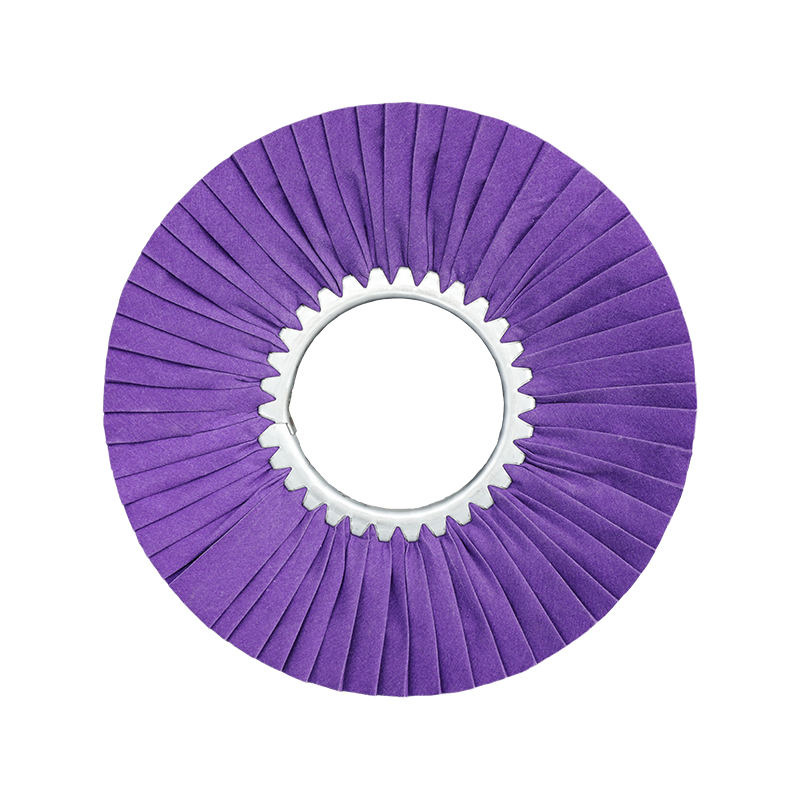
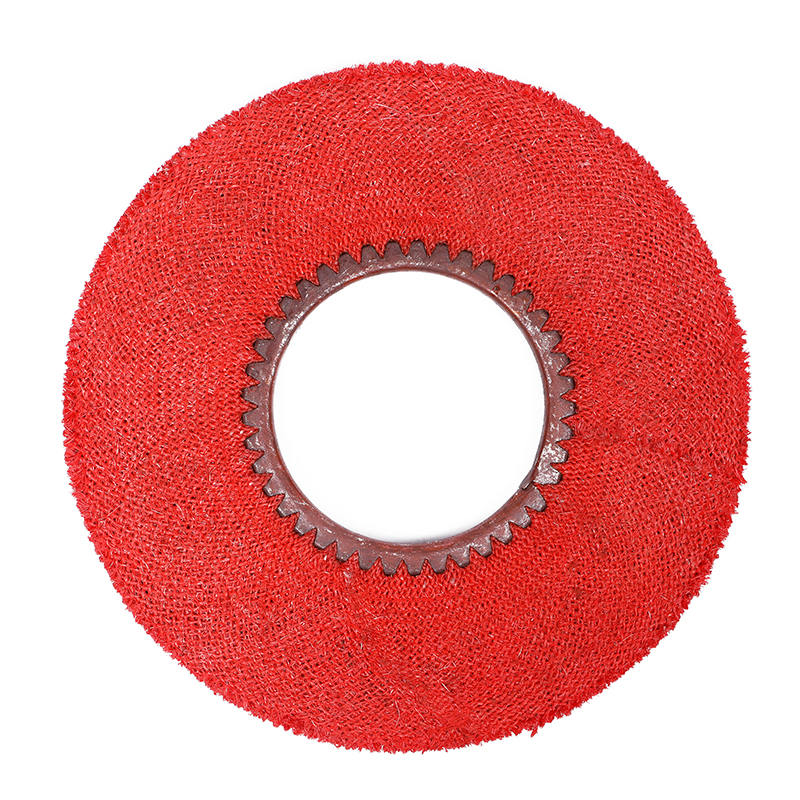
A sisal buffing wheel is mainly used for rough polishing, scratch removal, pre-polishing, and surface preparation on metal parts. Compared with soft cotton polishing wheels, a Sisal Wheel has stronger cutting force and is more suitable for removing sanding marks, oxidation, burrs, and uneven surface traces before mirror finishing.
For manufacturers, metalworking workshops, and surface finishing users, choosing the right sisal buffing wheel can improve polishing efficiency, reduce repeated processing, and help prepare a smoother base surface for the next fine polishing step.
What Is a Sisal Buffing Wheel Used For?
A sisal buffing wheel is made with sisal fiber fabric and is commonly used with polishing compounds for medium to heavy-duty metal polishing. Its firm fiber structure allows it to cut faster than softer cloth wheels, making it suitable for the early stages of metal surface finishing.
Main Applications
- Removing sanding marks after grinding or abrasive belt processing
- Pre-polishing stainless steel, iron, aluminum, brass, and other metal surfaces
- Reducing oxidation, light rust, and surface discoloration
- Preparing workpieces for final cotton wheel polishing or mirror finishing
- Improving surface consistency before electroplating, coating, or decorative finishing
Why Sisal Wheel Is Suitable for Metal Pre-Polishing
The value of a Sisal Wheel lies in its balance between cutting strength and surface control. It is firm enough to remove visible surface defects, but it can still follow the contour of many shaped metal parts when used with the correct polishing compound and machine speed.
Key Advantages
- Strong cutting ability: suitable for the first polishing stage after grinding or sanding.
- Good durability: sisal fiber has a firm texture and can withstand repeated friction during metal polishing.
- Wide compatibility: it can be used for stainless steel, carbon steel, aluminum alloy, copper alloy, and many hardware parts.
- Better preparation for final polishing: it helps reduce rough marks before using softer cotton or flannel polishing wheels.
Available Sisal Buffing Wheel Specifications
For practical production, wheel size directly affects polishing contact area, cutting force, service life, and machine compatibility. According to the Sisal Wheel product page, the available product range covers different diameters, thicknesses, and hole sizes, and customization is also available for specific processing requirements.
| Item | Available Range | Selection Suggestion |
|---|---|---|
| Diameter | 75–550mm | Use smaller wheels for detailed parts and larger wheels for broad surfaces. |
| Thickness | 10–50mm | Thicker wheels are suitable for stronger contact and longer continuous work. |
| Hole Size | 10mm, 15mm, 20mm, or customized | Choose the hole size according to the polishing machine spindle. |
| Customization | Available | Useful for special machines, workpiece shapes, or batch polishing needs. |
How to Choose the Right Sisal Buffing Wheel
The best sisal buffing wheel should match the workpiece material, surface condition, machine type, and expected polishing result. A wheel that is too soft may not remove scratches efficiently, while a wheel that is too aggressive may leave unnecessary marks on softer metals.
Selection Guide
- For stainless steel hardware, choose a firm sisal wheel for fast pre-polishing before fine buffing.
- For aluminum or softer metals, use suitable polishing compound and avoid excessive pressure.
- For flat or large parts, larger diameter wheels can improve contact efficiency.
- For small components, edges, or shaped parts, smaller wheels provide better control.
- For automated or batch polishing, confirm diameter, thickness, hole size, and wheel balance before production.
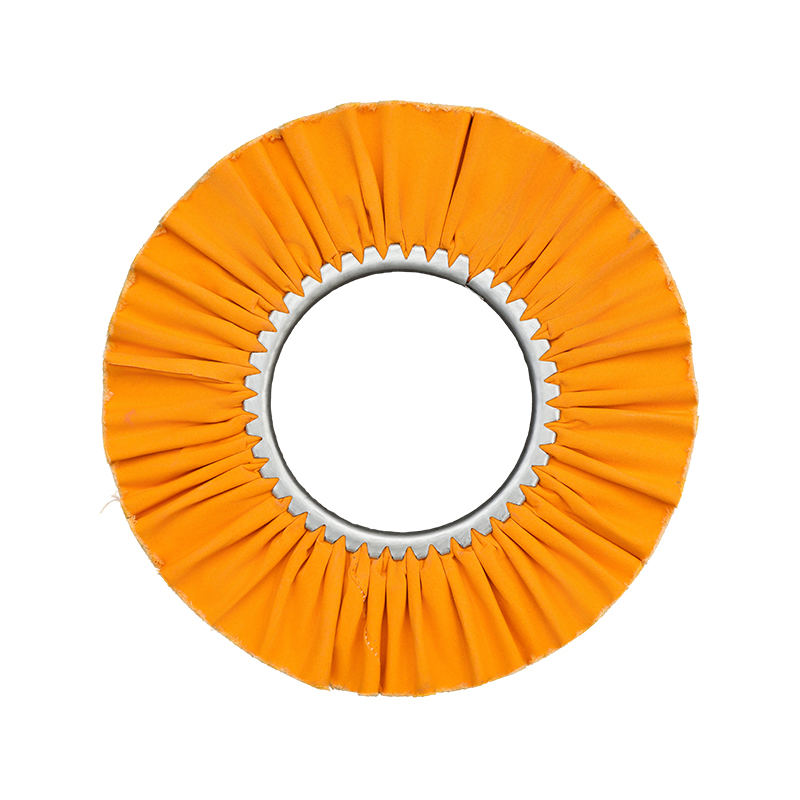
Sisal Buffing Wheel vs. Cotton Polishing Wheel
A sisal buffing wheel and a cotton polishing wheel are often used in different polishing stages. The sisal wheel focuses more on cutting and surface preparation, while the cotton wheel is usually used for fine polishing and brightness improvement.
| Wheel Type | Main Function | Suitable Stage | Typical Result |
|---|---|---|---|
| Sisal Buffing Wheel | Scratch removal and rough polishing | Pre-polishing stage | Cleaner and more uniform base surface |
| Cotton Polishing Wheel | Fine polishing and brightness improvement | Final polishing stage | Smoother and brighter surface finish |
Practical Tips for Better Polishing Results
To achieve a stable polishing effect, the wheel itself is only one part of the process. Compound selection, pressure, workpiece feeding direction, and surface preparation all influence the final result.
- Clean the workpiece before polishing to avoid dragging hard particles across the surface.
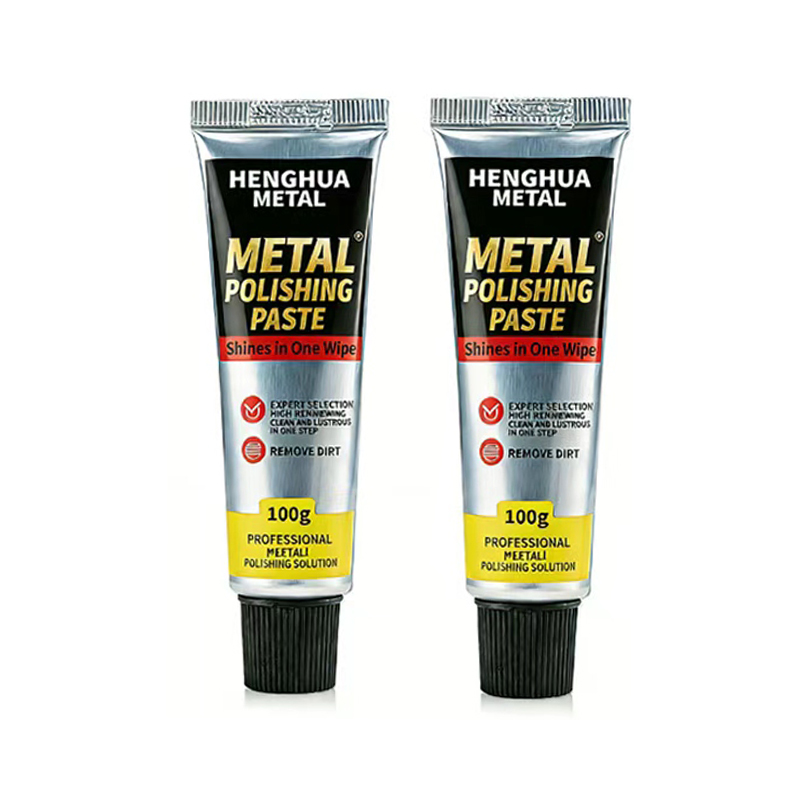
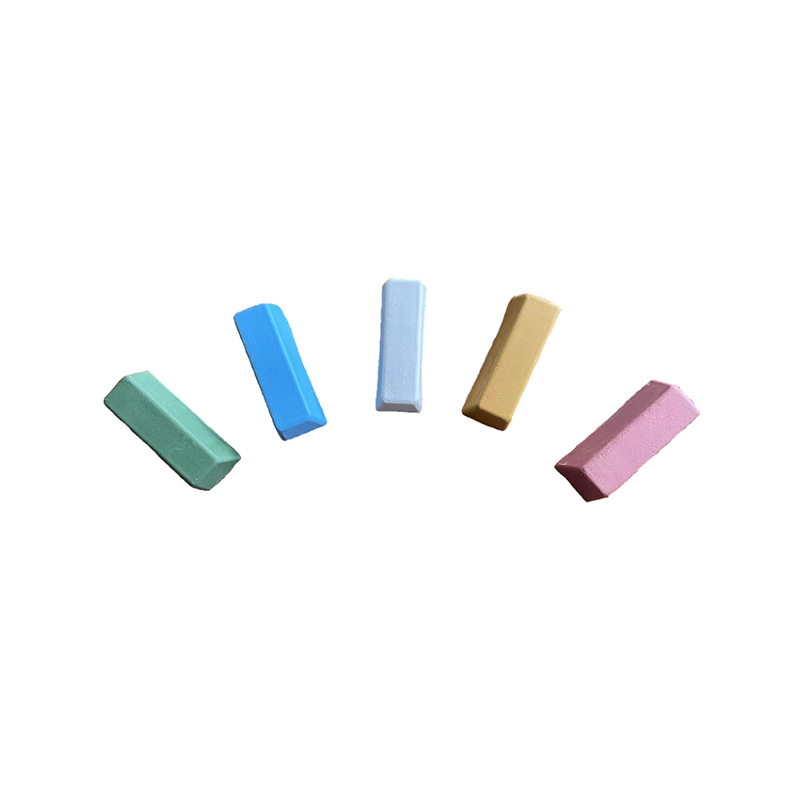
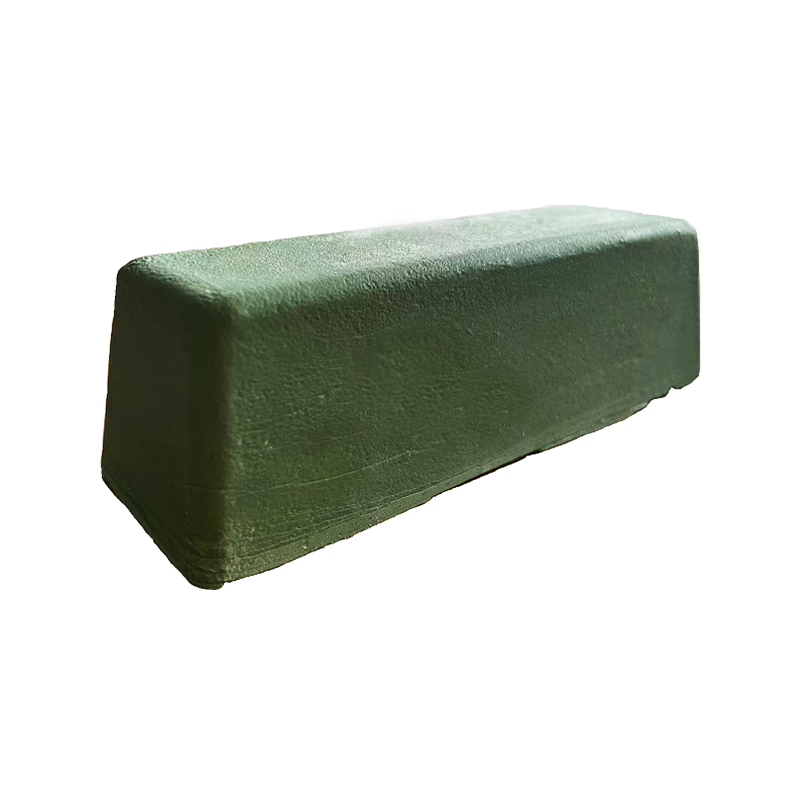
- Use suitable polishing compound according to the metal material and required cutting strength.
- Avoid excessive pressure, especially on softer metals, because heavy pressure can create heat and uneven marks.
- Keep the wheel surface dressed and clean during continuous production.
- Use sisal buffing wheel for pre-polishing first, then switch to a softer wheel when higher brightness is required.
Why Choose a Sisal Wheel from Henghua Metal
Henghua Metal focuses on metal surface finishing products and provides sisal wheels for different polishing needs. According to the company information, Henghua Metal was established in 2016 and has a production area of about 3,500 square meters, supporting product supply for metal polishing and related finishing applications.
For customers who need stable polishing performance, customized wheel size, or batch purchasing support, the available Sisal Wheel range can help match different machines, workpiece materials, and production requirements.
- Multiple sizes available for different polishing machines
- Custom hole size and specification options for practical production use
- Suitable for stainless steel, aluminum, copper alloy, and general metal parts polishing
- Useful for pre-polishing before mirror finishing or decorative surface treatment
Conclusion: A Practical Wheel for Faster Surface Preparation
If your goal is to remove scratches, improve surface consistency, and prepare metal parts for final polishing, a sisal buffing wheel is a practical and efficient choice. It offers stronger cutting performance than soft polishing wheels and is especially valuable in the pre-polishing stage of metal finishing.
By selecting the correct diameter, thickness, hole size, and polishing compound, users can achieve more stable results across different workpieces and production conditions. For customized requirements, Sisal Wheel options with different specifications can better support both small-batch processing and continuous industrial polishing.