Español
 Deutsch
 عربى
عربىContent
- 1 What Does a Polishing Compound Do? The Direct Answer
- 2 How a Polishing Compound Works: The Science of Abrasion and Finish
- 3 The Three Stages of Polishing: Cutting, Intermediate, and Finishing
- 4 Polishing Compound Types by Color: What Each One Is Used For
- 5 What Materials Can a Polishing Compound Be Used On?
- 6 Polishing Compound Application Methods: Hand vs. Machine
- 7 Polishing Compound Forms: Bar, Paste, and Liquid
- 8 Henghua Metal: Professional Polishing Compounds for Industrial and Commercial Use
- 9 Common Mistakes When Using a Polishing Compound
- 10 Choosing the Right Polishing Compound: A Practical Decision Guide
What Does a Polishing Compound Do? The Direct Answer
A polishing compound is an abrasive-based product designed to remove surface defects — including scratches, oxidation, tarnish, and dull emery marks — from metal, wood, plastic, or other materials, while simultaneously restoring or enhancing the surface's shine. It works by using fine abrasive particles suspended in a binder of waxes and fats to micro-abrade the workpiece surface, leveling out imperfections and leaving behind a smoother, more reflective finish.
In practical terms: if a metal part looks dull, scratched, or oxidized, a polishing compound removes the damaged top layer and reveals the clean, bright surface beneath. Depending on which type you choose — from heavy-cut compounds for scratch removal to fine finishing rouges for mirror polish — a polishing compound can take a surface from rough to reflective in a controlled, staged process.
How a Polishing Compound Works: The Science of Abrasion and Finish
At its core, a polishing compound functions through controlled micro-abrasion. Each compound contains three essential components working together:
- Abrasive particles — such as aluminum oxide, chromium oxide, silica, or diamond powder — that physically abrade and level the surface. The coarser the particle, the more material is removed per pass.
- Binders and lubricants — typically waxes, fats, or stearic acid — that hold the abrasive particles in suspension, reduce heat from friction, and allow the compound to spread evenly across the surface.
- Carrier medium — often solid (bar or cake form) or semi-solid (paste form) — which determines how the compound is applied to a buffing wheel or pad.
When applied to a rotating buffing wheel and brought into contact with a workpiece, the abrasive particles in the compound scratch away the damaged surface layer at a microscopic level. Progressively finer compounds remove the scratches left by the previous stage, ultimately producing a smooth, flat surface that reflects light uniformly — what we recognize as a high-gloss or mirror finish.
The Three Stages of Polishing: Cutting, Intermediate, and Finishing
Professional metal finishing uses polishing compounds in a deliberate sequence of stages, each progressively finer than the last. Skipping stages — or using the wrong compound for a given stage — produces uneven results and wastes time.
Stage 1 — Cutting (Tripoli Compounds)
Cutting compounds, also called Tripolis, are the most abrasive type. They remove deep scratches, emery marks, oxidation, and surface irregularities left by sanding or grinding. The result after a cutting stage is a smooth surface with a dull, satin finish — the imperfections are gone, but the surface is not yet shiny. Brown tripoli is the classic cutting compound for soft metals like brass, copper, and aluminum. Black compound is used as the first-cut option on stainless steel and harder metals, effectively removing 320–400 grit sandpaper marks.
Stage 2 — Intermediate Polishing
Intermediate compounds bridge the gap between the cutting stage and the final finish. They remove the fine scratches left by the cutting compound and begin to build gloss. White polishing compounds — made from aluminum oxides, alumina, and rouges — are a common choice for this stage on stainless steel, aluminum, and nickel, delivering both cutting and coloring action in a single product.
Stage 3 — Finishing Rouge
Finishing rouges are the finest polishing compounds, used to deliver the highest level of luster and shine. Green rouge, which contains chromium oxide, is the industry standard for achieving a mirror-like finish on stainless steel, chrome, and platinum. It leaves a deep, rich color and high reflectivity. For soft metals like gold, silver, and copper, red rouge is the preferred finishing compound. Purple rouge is used for the finest show-shine finish on steel.
Polishing Compound Types by Color: What Each One Is Used For
In the metalworking and surface finishing industry, polishing compounds are commonly color-coded to help users quickly identify their abrasiveness level and best application. The table below summarizes the most widely used types:
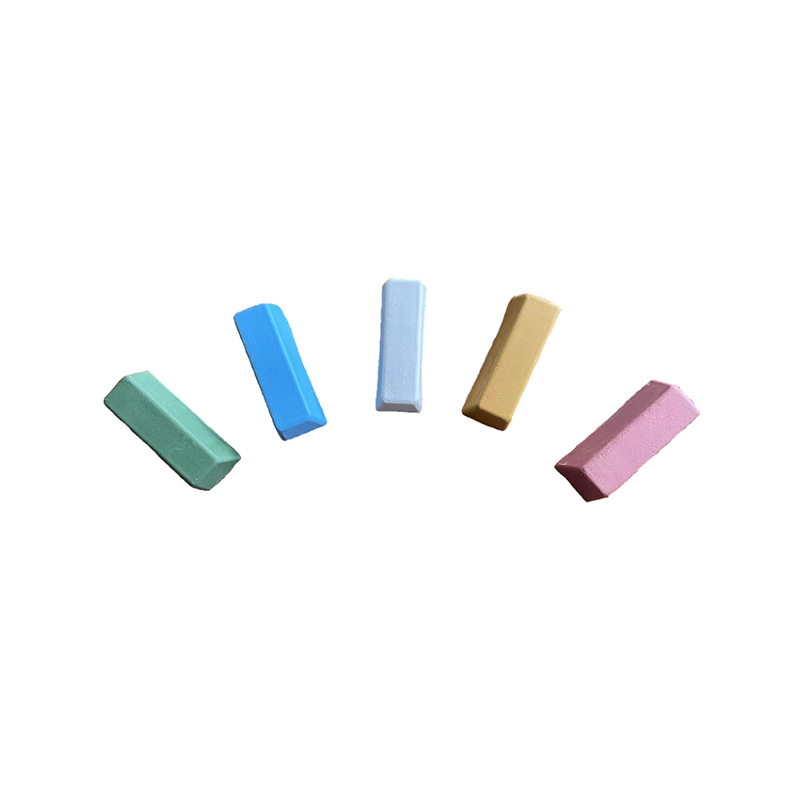
| Color | Stage | Best For | Key Abrasive |
|---|---|---|---|
| Black | Cutting (coarsest) | First-cut on stainless steel and hard metals | Emery / Silicon Carbide |
| Brown (Tripoli) | Cutting | Aluminum, brass, copper, wood | Tripoli / Silica |
| White | Intermediate | Stainless steel, aluminum, nickel | Aluminum Oxide / Alumina |
| Yellow | Intermediate / Finishing | Gold, platinum, hard metals; removes grease lines and belt marks | Fine Alumina |
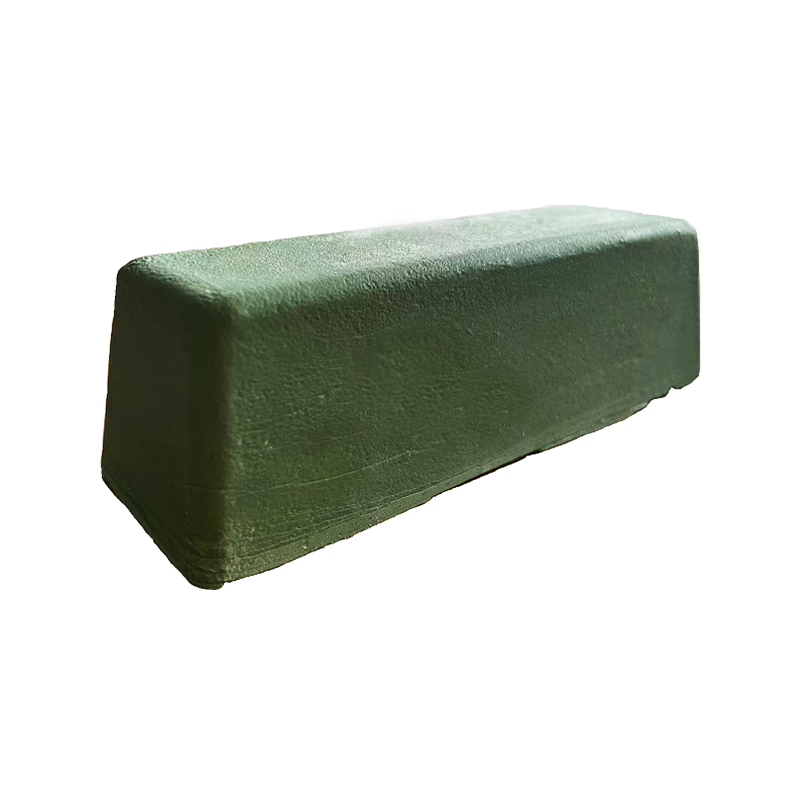
| Green | Finishing | Stainless steel, chrome, platinum — mirror finish | Chromium Oxide |
| Red (Rouge) | Finishing | Gold, silver, copper, jewelry | Iron Oxide |
| Blue | Fine Finishing | Acrylic, plastic, aluminum; edge finishing | Fine Silica |
A critical rule when working through multiple compound stages: never cross-contaminate a buffing wheel between compound colors. Using a wheel loaded with black cutting compound on a finishing stage will re-introduce coarse scratches to a surface that has already been refined, undoing previous work entirely. Use a dedicated wheel for each compound type.
What Materials Can a Polishing Compound Be Used On?
While metal finishing is the most common application, polishing compounds are formulated for a wide range of substrates. The right compound depends on the material's hardness and the desired finish level:
Metals
This is the primary domain of polishing compounds. Stainless steel, aluminum, brass, copper, bronze, nickel, chrome, gold, silver, and platinum all respond well to polishing compound treatment. Harder metals (stainless steel, chrome) require more aggressive cutting compounds first, while softer metals (gold, copper, brass) can often move directly to intermediate or finishing stages.
Wood
Brown tripoli compounds can be used on wood surfaces to produce a lustrous finish, particularly on dense hardwoods. This is common in knife handle finishing and instrument-making.
Plastic and Acrylic
Blue polishing compounds and no-scratch pink compounds are specifically designed for plastics and acrylics. They restore clarity to scratched acrylic sheeting and bring a clean finish to plastic surfaces without aggressive material removal that could cause hazing.
Glass
Specialized polishing compounds containing cerium oxide are used for glass polishing — removing light scratches from windows, eyeglasses, and screens. These are distinct from metal polishing compounds and should not be interchanged.
Polishing Compound Application Methods: Hand vs. Machine
How a polishing compound is applied significantly affects the speed and quality of the final result. Both hand and machine application are legitimate techniques, each suited to different tasks:
Machine Buffing (Most Common for Metal Finishing)
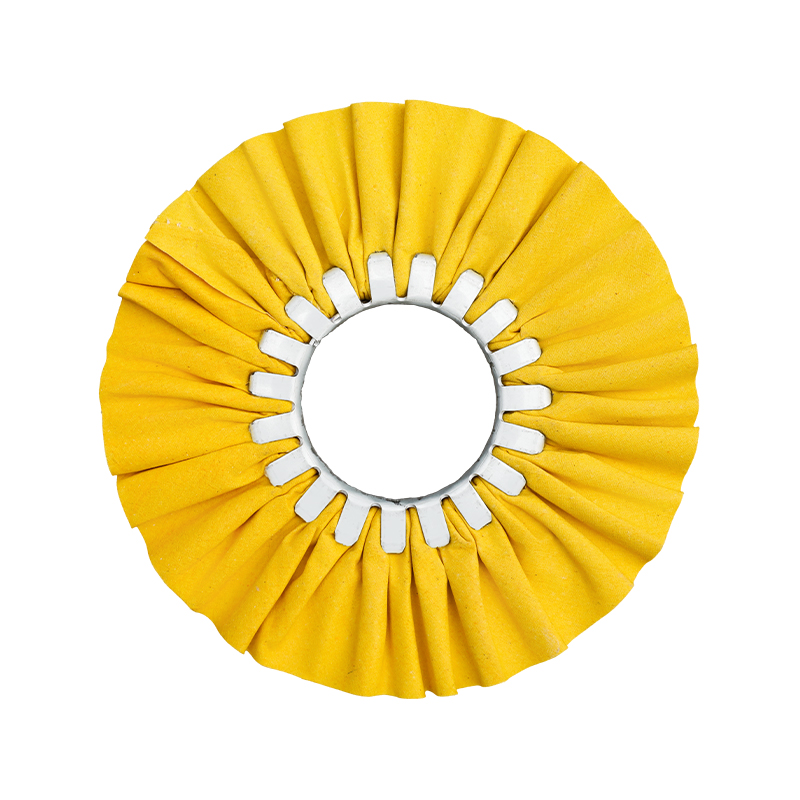
In commercial and industrial metal surface treatment, polishing compounds are applied to rotating buffing wheels — cotton, sisal, flannel, or denim — mounted on bench grinders or polishing lathes. The compound bar is pressed against the spinning wheel to load it, then the workpiece is brought into contact with the loaded wheel. This is significantly faster than hand polishing and achieves more consistent, professional-grade results. Different wheel materials pair with specific compound types: sisal wheels for heavy cutting, cotton airway wheels for intermediate stages, and loose flannel wheels for final mirror finishing.
Hand Polishing
For delicate pieces, complex geometries, or small-scale repairs, hand polishing with a cloth and paste-form polishing compound delivers precise, controlled results. The compound is applied in circular or back-and-forth motions with moderate pressure. While slower than machine buffing, hand polishing allows the operator to focus compound pressure exactly where it is needed.
Vibratory and Tumbler Finishing
For batch processing of small metal components — fasteners, jewelry parts, hardware — polishing compounds are used in vibratory finishing machines and barrel tumblers. Parts are loaded into the machine along with abrasive media and compound, and the machine's vibration or rotation gradually polishes all surfaces simultaneously without manual handling of each piece.
Polishing Compound Forms: Bar, Paste, and Liquid
Polishing compounds are available in three primary physical forms, each suited to different application methods and environments:
- Solid bar or cake — The most common form for machine buffing. Bars are pressed against a spinning buffing wheel to transfer compound to the wheel's surface. Easy to handle, store, and apply in production environments.
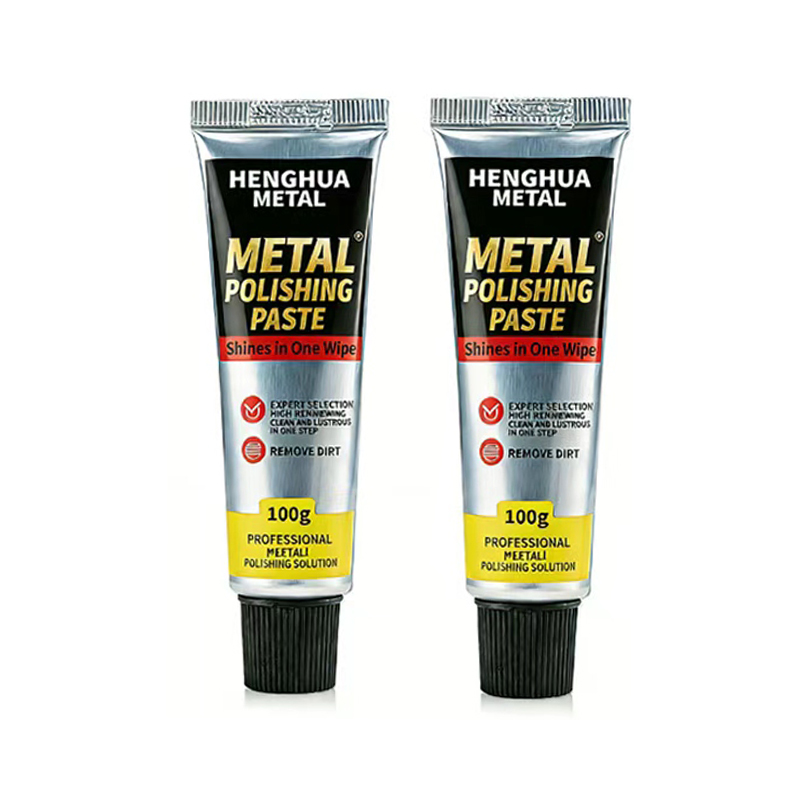
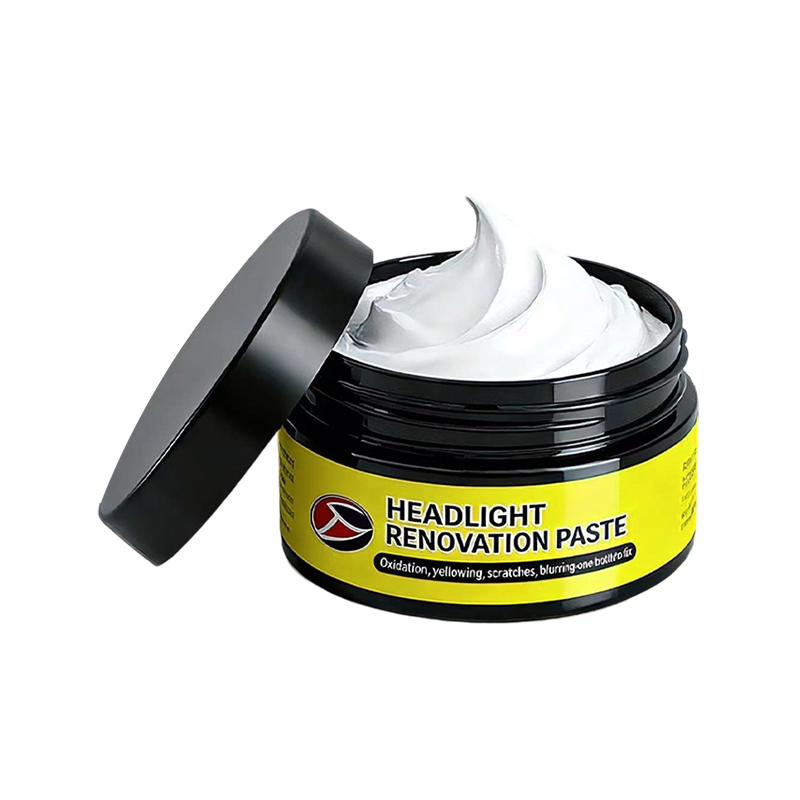
- Paste or wax compound — Better suited to hand application and intricate surfaces where a bar cannot easily be loaded. Paste compounds can also be used in tub or container form for automated dispensing systems.
- Liquid compound — The finest form, typically used in the last finishing stage or for automotive and glass polishing. Applied with a foam pad or cloth, liquid compounds spread evenly and are easy to control on large flat surfaces.
Henghua Metal: Professional Polishing Compounds for Industrial and Commercial Use
Ningbo Henghua Metal Surface Treatment Technology Co., Ltd. (cnhenghuametal.com) is a China-based manufacturer specializing in metal surface treatment materials, with polishing compounds as one of their core product lines alongside buffing wheels, flap wheels, abrasives, and sandpaper.
Henghua's polishing compound range covers the full spectrum of finishing stages, including:
- Solid buffing wax and grind compounds in blue, yellow, and green — covering cutting, intermediate, and finishing stages for stainless steel, aluminum, copper, and other metals.
- White polishing compound for mirror finish and oxidation removal on stainless steel, with both bar and paste formulations available.
- Super mirror polish green compound bars formulated specifically for achieving high-gloss mirror finishes on stainless steel, aluminum, and copper — widely used in kitchenware, hardware fittings, and precision components.
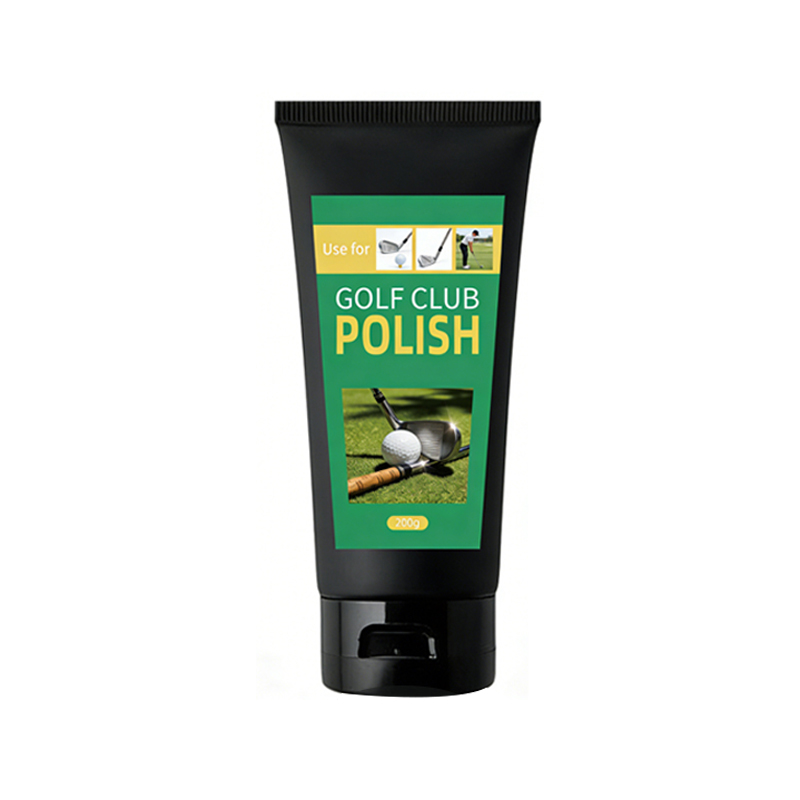
- Specialty compounds including golf club polishes and rust-removing paste compounds for targeted industrial applications.
As a research, production, and marketing-integrated supplier, Henghua serves customers requiring consistent compound formulation across high-volume orders, and offers OEM customization for buyers with specific abrasive grading, binder composition, or packaging requirements. Their polishing compounds are designed to pair directly with their range of buffing wheels — cotton, sisal, flannel, denim, and sewn buff wheels — providing a complete surface treatment solution from a single supplier.
Common Mistakes When Using a Polishing Compound
Even with the right compound in hand, poor technique produces disappointing results. Avoid these frequently made errors:
- Starting with a finishing compound on a scratched surface. Finishing rouges are not designed to remove deep scratches — they are too fine. Always begin with the appropriate cutting compound for the level of surface damage present.
- Cross-contaminating buffing wheels. Loading a finishing wheel with cutting compound — even accidentally — reintroduces coarse abrasion at the finishing stage. Keep each wheel dedicated to a single compound type.
- Applying too much compound at once. A thin, even loading of compound on the buffing wheel produces better results than an over-loaded wheel, which can smear compound, generate excessive heat, and create uneven coverage.
- Using excessive pressure. Applying too much pressure against the buffing wheel slows wheel rotation, generates excess heat, and can burn or warp softer metals and plastics. Let the compound and wheel speed do the work.
- Skipping the cleaning step between stages. Residue from one compound stage must be wiped clean before applying the next compound. Carrying cutting compound particles into a finishing stage reintroduces coarser scratches and defeats the purpose of staging.
- Choosing the wrong compound for the substrate. Using a compound formulated for hard metals on soft metals (or vice versa) produces poor results and can damage the workpiece. Always match the compound specification to the material being finished.
Choosing the Right Polishing Compound: A Practical Decision Guide
Use these questions to select the correct polishing compound for any given task:
- What is the substrate? Hard metal (stainless steel, chrome) → start with black or white compound. Soft metal (aluminum, brass, copper) → start with brown tripoli. Plastic or acrylic → use blue or no-scratch pink. Wood → use brown tripoli.
- How severe is the surface damage? Deep scratches or heavy oxidation → begin with a cutting compound. Light tarnish or dull finish only → begin at the intermediate or finishing stage.
- What finish level is required? Satin/brushed finish → cutting or intermediate compound only. High gloss → progress through all stages to a finishing rouge. Mirror finish → complete the full sequence and finish with green or purple rouge on stainless steel.
- What is the application method? Machine buffing → solid bar compound. Hand polishing or complex geometry → paste compound. Large flat surfaces (automotive, glass) → liquid compound.
A quality polishing compound, applied correctly in the right sequence, transforms a dull, scratched, or oxidized surface into one that is smooth, bright, and professionally finished — whether for a precision industrial component, a piece of architectural metalwork, a jewelry item, or an automotive surface. The compound does not merely clean; it actively reshapes the surface at a microscopic level, removing damage and revealing the material's inherent quality beneath.