Español
 Deutsch
 عربى
عربىContent
- 1 Primary Uses of a Flap Wheel
- 2 Flap Wheel Grit Guide: Choosing the Right Abrasiveness
- 3 Materials a Flap Wheel Can Work On
- 4 Flap Wheel vs. Other Abrasive Tools
- 5 Industries That Rely on Flap Wheels
- 6 How to Use a Flap Wheel Correctly
- 7 Key Factors When Selecting a Flap Wheel
- 8 Common Mistakes to Avoid When Using Flap Wheels
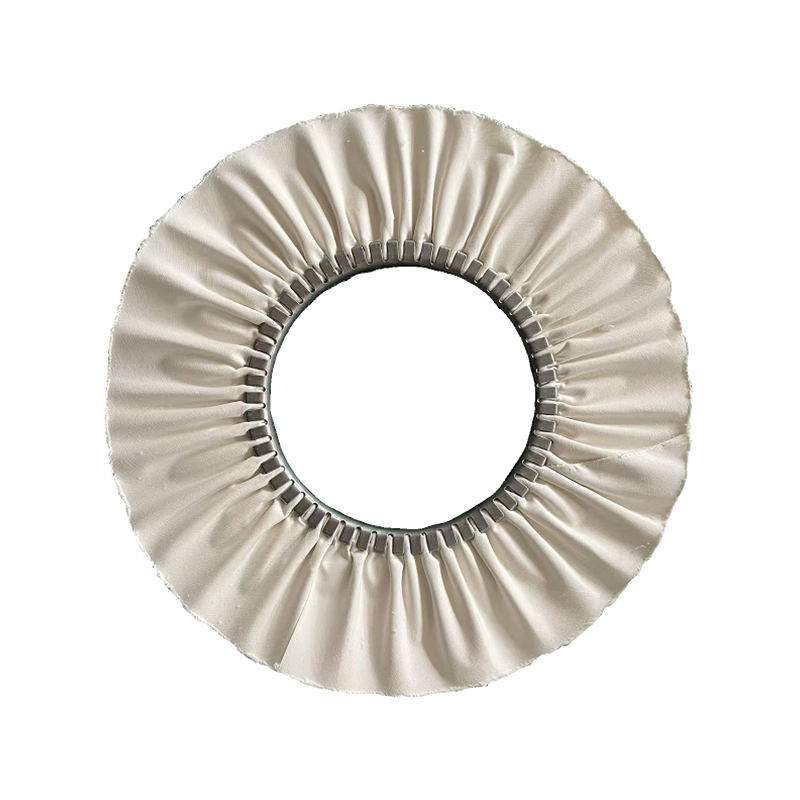
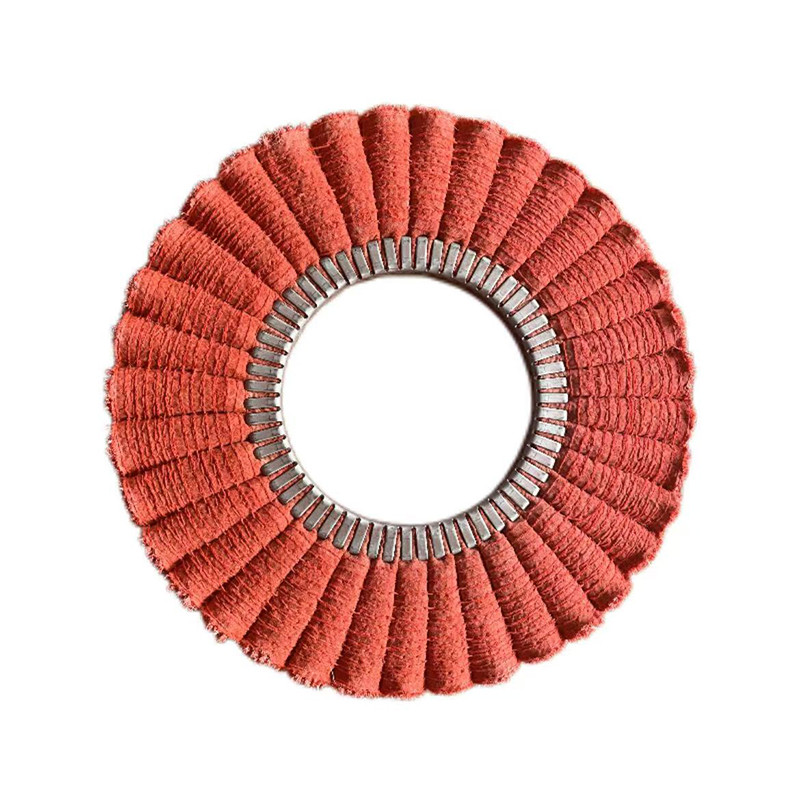
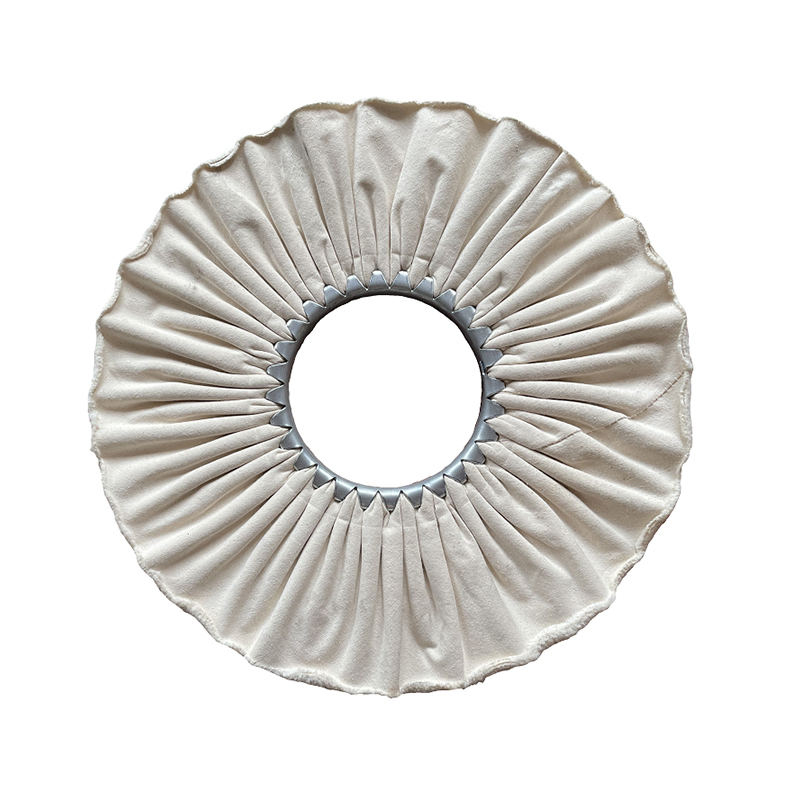
A flap wheel is a rotary abrasive tool used primarily for grinding, deburring, blending, and polishing metal and other surfaces. It consists of multiple overlapping abrasive flaps arranged radially around a central hub. The flaps wear away progressively during use, continuously exposing fresh abrasive material — which means the wheel maintains consistent cutting performance throughout its lifespan. In short, a flap wheel is the go-to solution when you need controlled, uniform surface finishing across contoured or flat workpieces.
Unlike fixed abrasive discs, flap wheels conform to curved and irregular surfaces, making them particularly effective for finishing pipes, tubes, shafts, and profiles that would be difficult or time-consuming to address with flat grinding tools. This flexibility, combined with a relatively long service life, makes flap wheels a cost-effective choice for both small workshops and large-scale production lines.
The tool is compatible with standard angle grinders, bench grinders, drill presses, and automated polishing machines — making it one of the most adaptable abrasive products available in metal surface treatment today.
Primary Uses of a Flap Wheel
Flap wheels serve several distinct functions in metalworking and surface treatment. Understanding each application helps you select the right grit, abrasive type, and wheel size for your task. Here are the most common uses:
Deburring and Edge Finishing
After cutting, stamping, or machining, metal parts often have sharp burrs and rough edges that can cause injury during handling and impair component fit. Flap wheels remove these burrs efficiently without gouging the base material or altering dimensional tolerances. The flexible flaps reach slightly recessed areas and edge contours that rigid grinding discs cannot access. This is critical in industries like automotive, aerospace, and precision engineering, where edge quality directly affects part fit, assembly accuracy, and end-user safety.
Surface Blending and Weld Seam Smoothing
Weld seams create uneven ridges and heat-affected zones that must be smoothed before painting, coating, or inspection. A flap wheel blends these transitions cleanly into the surrounding surface without creating abrupt step-downs. Because the flaps flex under pressure, they avoid the flat "dig-in" marks that rigid discs can leave, resulting in a smoother, more consistent finish with fewer secondary correction passes needed. For structural steelwork and decorative metal products alike, weld blending with a flap wheel saves significant time compared to hand filing or repeated sanding.
Polishing and Surface Preparation
Fine-grit flap wheels (120-grit and above) are widely used to prepare metal surfaces before plating, anodizing, painting, or applying protective coatings. They produce a uniform surface texture that promotes better adhesion and a more professional final appearance. In the stainless steel finishing industry, sequential use of progressively finer flap wheels — from 80-grit through to 240-grit — is a standard workflow for achieving the brushed or satin finishes seen on kitchen equipment, architectural panels, and handrails.
Grinding and Material Removal
Coarse-grit flap wheels (40–80 grit) are used for aggressive stock removal — shaping metal, removing rust and mill scale, or cleaning corroded surfaces before repair or recoating. They offer a faster cutting rate than fine-grit wheels while still maintaining better control than fixed grinding discs. On heavily rusted iron or structural steel, a 40-grit zirconia alumina flap wheel can strip surface corrosion down to bare metal efficiently while conforming to any surface irregularities present.
Finishing Contoured and Tubular Surfaces
Flap wheels excel on non-flat geometries. Their flexible flaps wrap around curved parts — such as pipes, handrails, fittings, and shafts — and maintain consistent abrasive contact throughout the pass. Flat discs lose contact at the edges on round surfaces, leaving uneven scratch patterns or requiring multiple repositioning steps. This adaptability makes the flap wheel the preferred tool in industries dealing with round or profile-shaped components, including plumbing, HVAC fabrication, furniture manufacturing, and architectural metalwork.
Rust Removal and Surface Restoration
Corroded metal surfaces need abrasive treatment before any protective coating can be applied effectively. Flap wheels remove surface rust, oxidation, and old coatings while leaving a clean, profiled surface that promotes coating adhesion. Compared to wire brush wheels, flap wheels leave a more uniform surface texture and cause less metal fatigue on thinner sections — an important consideration when restoring older or thinner-gauge metal components.
Flap Wheel Grit Guide: Choosing the Right Abrasiveness
Selecting the correct grit is the most important factor in getting the results you want. Grit number refers to the size of the abrasive particles: lower numbers mean coarser, more aggressive cutting; higher numbers mean finer, smoother finishing. The table below summarizes common grit ranges and their recommended uses:
| Grit Range | Classification | Typical Application |
|---|---|---|
| 40–60 | Coarse | Heavy stock removal, rust/scale stripping, shaping |
| 80–100 | Medium | Deburring, weld blending, general grinding |
| 120–180 | Fine | Surface blending, pre-coating preparation, brushed finish |
| 240+ | Very Fine | Final polishing, mirror-finish preparation, decorative work |
As a practical rule: start with a coarser grit to remove material or defects, then step up to finer grits to refine the surface. Skipping grits leads to visible scratch patterns from the previous stage that are difficult to remove later without additional passes. For a brushed stainless steel finish, for example, a typical sequence might run 80 → 120 → 180 grit, with each stage removing the scratches left by the previous one.
Materials a Flap Wheel Can Work On
Flap wheels are versatile and work across a wide range of materials. The abrasive type embedded in the flaps must be matched to the workpiece material for best results — using the wrong abrasive can cause contamination, clogging, or poor finish quality:
- Stainless steel: Requires contamination-free abrasives such as aluminum oxide or zirconia alumina to avoid iron particle transfer, which can cause surface staining and initiate corrosion under the finish.
- Carbon steel and iron: Aluminum oxide and zirconia alumina flap wheels handle these effectively for both grinding and blending applications. Zirconia alumina is preferred for hard steel due to its self-sharpening grain structure.
- Aluminum and soft metals: Silicon carbide or fine aluminum oxide wheels prevent clogging (loading) and produce clean finishes without gouging the softer base material.
- Wood: Flap wheels work well for sanding curved wood profiles, removing old finish layers, and preparing surfaces for staining or varnishing. Medium to fine grits (80–180) are most practical for woodworking.
- Plastics and composites: Fine-grit wheels at controlled, lower speeds can shape and finish plastic parts without melting or smearing. Keeping the wheel moving is especially important to avoid localized heat buildup.
Flap Wheel vs. Other Abrasive Tools
Understanding where a flap wheel fits compared to other abrasive tools helps you make better tooling decisions and avoid misapplication. Each tool type has strengths that make it appropriate for specific tasks:
| Tool | Best For | Limitation vs. Flap Wheel |
|---|---|---|
| Grinding Disc | Fast, aggressive material removal on flat surfaces | Leaves deep scratches; cannot conform to curves; no finishing capability |
| Sanding Belt | Large flat surface finishing on a bench sander | Cannot reach contoured or interior profiles; requires stationary equipment |
| Wire Brush Wheel | Rust removal and surface cleaning | Cannot blend or polish; leaves uneven surface texture; wire bristle hazard |
| Flap Disc | Flat surface grinding and blending at an angle | Less effective on round or tubular profiles compared to a flap wheel |
| Flap Wheel | Curved surfaces, blending, polishing, deburring, multi-grit progression | Slower stock removal than grinding discs on flat areas |
The key advantage of a flap wheel is its combination of flexibility, consistent finish quality, and long service life — making it more economical per task than tools that wear quickly or require frequent changeovers. In many production workflows, a single flap wheel can replace both a deburring step and a polishing step, reducing total tooling cost and cycle time.
Industries That Rely on Flap Wheels
Flap wheels are used across many production and fabrication environments where surface quality, efficiency, and tool adaptability are priorities:
- Metal fabrication and welding shops: For cleaning and blending welds on structural components, frames, gates, and enclosures before painting or powder coating.
- Automotive manufacturing and repair: Finishing body panels, exhaust components, chassis parts, and roll cage tubing that require smooth, paint-ready or weld-prepped surfaces.
- Stainless steel product manufacturing: Processing kitchen equipment, food processing machinery, countertops, and architectural fittings where a uniform brushed or satin finish is specified.
- Plumbing and HVAC: Finishing pipe ends, fittings, valve bodies, and duct joints before assembly or protective coating application.
- Woodworking and furniture manufacturing: Shaping contoured moldings, smoothing chair spindles, and preparing curved surfaces for staining or lacquering.
- Jewelry and precision metalwork: Fine-grit flap wheels are used in small-diameter form to access tight areas on castings and hand-fabricated pieces before final polishing.
How to Use a Flap Wheel Correctly
Getting the most from a flap wheel requires the right technique, setup, and awareness of safety practices. Poor technique reduces wheel life, produces uneven results, and can create hazards:
- Match the arbor and RPM rating: Always use a flap wheel whose maximum RPM rating is equal to or greater than the tool's no-load speed. Exceeding the rated speed can cause the wheel to disintegrate during use — a serious safety hazard.
- Apply light, consistent pressure: Let the abrasive do the work. Excessive downward force collapses the flaps prematurely, accelerates wear, and reduces finish quality. The wheel should contact the workpiece with moderate engagement, not be forced into it.
- Keep the wheel moving: Dwelling in one spot causes uneven material removal and heat buildup that can discolor stainless steel or warp thinner metals. Use smooth, overlapping passes in one consistent direction.
- Progress through grits: For polishing applications, begin with a coarser grit to remove scale, welds, or deep scratches, then switch to finer grits to refine the finish. Each grit stage should remove the scratches left by the previous one before moving on.
- Wear appropriate PPE: Eye protection (safety glasses or a face shield), gloves, and a dust mask or respirator are essential when using any rotating abrasive wheel. Flying debris and fine metal dust are real hazards.
- Inspect the wheel before use: Check for damaged, missing, or delaminating flaps before mounting. A damaged wheel should be discarded rather than used.
Key Factors When Selecting a Flap Wheel
Not all flap wheels are equal. Performance varies significantly based on construction quality, abrasive type, and dimensional specifications. When sourcing a flap wheel, evaluate these factors carefully:
- Abrasive material: Aluminum oxide suits general-purpose work on most metals; zirconia alumina is self-sharpening and better suited to harder steels and heavy-duty grinding; silicon carbide is preferred for non-ferrous metals, stone, and hard materials.
- Backing material: Cloth backing offers higher durability, flexibility, and resistance to tearing under load; paper backing is more economical but less durable under sustained or heavy-pressure use.
- Diameter and width: Larger diameters cover more surface area per rotation and are suited to open flat surfaces; smaller diameters fit drill chucks and are used for detail work. Width affects how much contact area is maintained on curved surfaces — wider wheels work better on larger-diameter pipes and shafts.
- Density of flaps: More flaps per wheel generally produce a smoother finish and longer service life; a lower flap count allows more aggressive cutting and better heat dissipation — useful for heavy stock removal tasks.
- Arbor hole size: Must match the spindle of your grinder, drill press, or polishing machine exactly to ensure safe, balanced rotation. Common sizes include 6mm, 8mm, and 1/4-inch shanks for handheld tools.
- Bonding quality: The adhesive or resin holding flaps to the hub determines how well the wheel holds up under heat and pressure. Wheels with poor bonding shed flaps prematurely, reducing both performance and safety.
For production environments, a high-density cloth-backed zirconia alumina flap wheel typically offers the best balance of cutting rate, finish quality, and wheel life. For lighter work or final polishing stages, a fine-grit aluminum oxide wheel on a cloth backing is the practical choice.
Common Mistakes to Avoid When Using Flap Wheels
Even experienced operators make errors that reduce performance and shorten wheel life. Being aware of these pitfalls helps you get consistent results:
- Using too coarse a grit for the final stage: Finishing with a 60-grit wheel when a 120-grit is required leaves visible scratch lines that require additional corrective passes — wasting time and consumables.
- Applying excessive pressure: This collapses the flap structure, turns the wheel into a solid contact point rather than a flexible one, and dramatically shortens wheel life without improving cutting speed.
- Cross-contaminating abrasives: Using a flap wheel previously used on carbon steel on a stainless steel workpiece transfers iron particles into the surface, leading to rust spots under the finish. Dedicate separate wheels to ferrous and non-ferrous materials.
- Ignoring RPM compatibility: Mounting a wheel rated for a lower RPM on a higher-speed grinder risks wheel failure during operation. Always check the wheel's maximum speed rating before use.
- Storing wheels improperly: Exposure to moisture, heat, or chemical fumes can degrade the abrasive bond. Store flap wheels in a dry, cool location away from solvents and oils.
Avoiding these errors not only extends wheel life but also ensures your finished surfaces meet the required quality standard first time — reducing rework and material waste.