Español
 Deutsch
 عربى
عربىContent
- 1 What Is Sisal Fiber and Why Is It Used in Buffing Wheels?
- 2 How Is a Sisal Buffing Wheel Constructed?
- 3 What Is a Sisal Wheel Used For? Core Industrial Applications
- 4 Sisal Wheel vs. Other Buffing Wheel Types: A Practical Comparison
- 5 Choosing the Right Buffing Compound for a Sisal Wheel
- 6 How to Select the Right Sisal Wheel Size and Specification
- 7 Operating Safety and Best Practices for Sisal Wheel Use
- 8 Typical Industries and Products Where Sisal Wheels Are Commonly Used
- 9 How to Get the Best Results from Your Sisal Wheel: A Step-by-Step Workflow
- 10 Frequently Asked Questions About Sisal Wheels
- 11 Conclusion: Why the Sisal Wheel Remains Indispensable in Metal Finishing
A sisal wheel — also called a sisal buffing wheel or sisal buff — is a heavy-duty polishing and cutting tool used primarily to grind down surface imperfections and prepare metal workpieces for subsequent finishing stages. Unlike softer cloth wheels that are designed for final color buffing, a sisal wheel delivers an aggressive cutting action that removes scratches, tool marks, die lines, and surface irregularities that other wheels simply cannot tackle. If you work with stainless steel, iron, steel alloys, or even certain soft metals such as aluminum and brass, understanding what a sisal wheel is used for — and how to use it correctly — can dramatically improve the efficiency and quality of your metal finishing process.
This article covers everything you need to know: the material origins of sisal fiber, the construction of sisal buffing wheels, their core industrial applications, how to select the right wheel for your project, which buffing compounds pair best with them, and how to maintain them for long service life. Whether you are a professional metalworker, a fabrication shop operator, or a procurement specialist sourcing polishing consumables, this guide gives you a complete, practical foundation.
What Is Sisal Fiber and Why Is It Used in Buffing Wheels?
Sisal fiber originates from the Agave sisalana plant, a hardy succulent native to Central America and widely cultivated today across East Africa, Brazil, and parts of Asia. The plant's long, sword-shaped leaves are harvested and mechanically decorticated to extract slender, hard, cellular strands of fiber. These fibers are among the strongest natural plant fibers commercially available, which is why they have been used for centuries to manufacture rope, twine, baler cord, and heavy textile products.
When applied to buffing wheel manufacturing, sisal fiber brings three key properties to the table: structural stiffness, natural abrasiveness, and inherent grease-absorbing capacity. The stiffness of sisal strands allows the wheel to maintain firm contact pressure against a metal surface, generating the mechanical action needed to flatten raised surface defects. The natural micro-texture of the fiber itself contributes a mild abrasive character, while the fiber's porosity allows it to absorb and hold polishing compound effectively — ensuring that the cutting agent is distributed evenly across the workpiece during the buffing cycle.
These properties distinguish sisal wheels clearly from cotton or muslin buffing wheels, which are softer, more flexible, and better suited to later-stage color polishing rather than initial material removal. Understanding this distinction is essential when selecting the right tool for each stage of a multi-step metal finishing workflow.
How Is a Sisal Buffing Wheel Constructed?
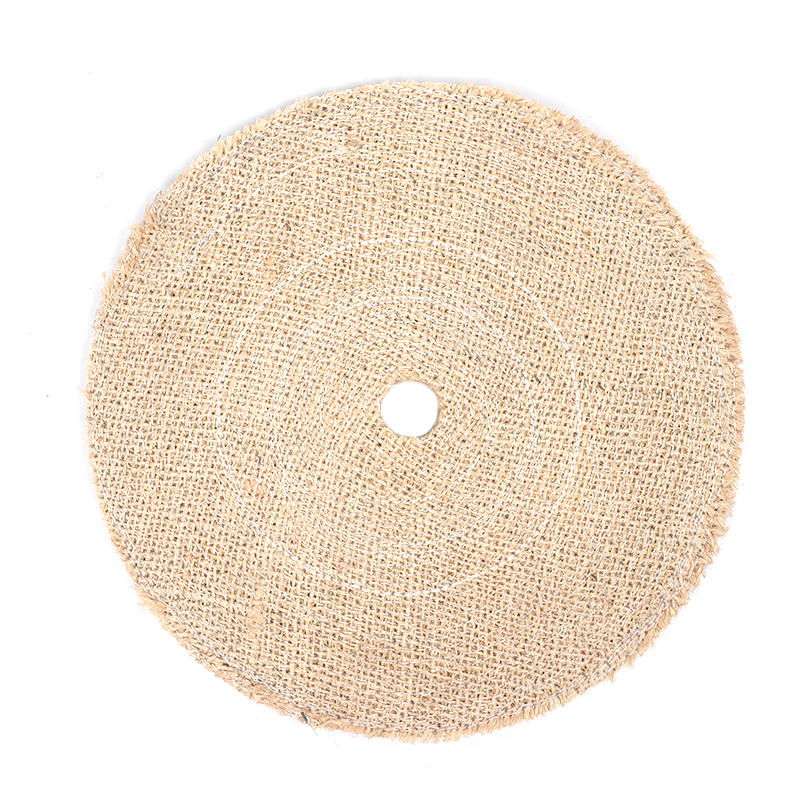
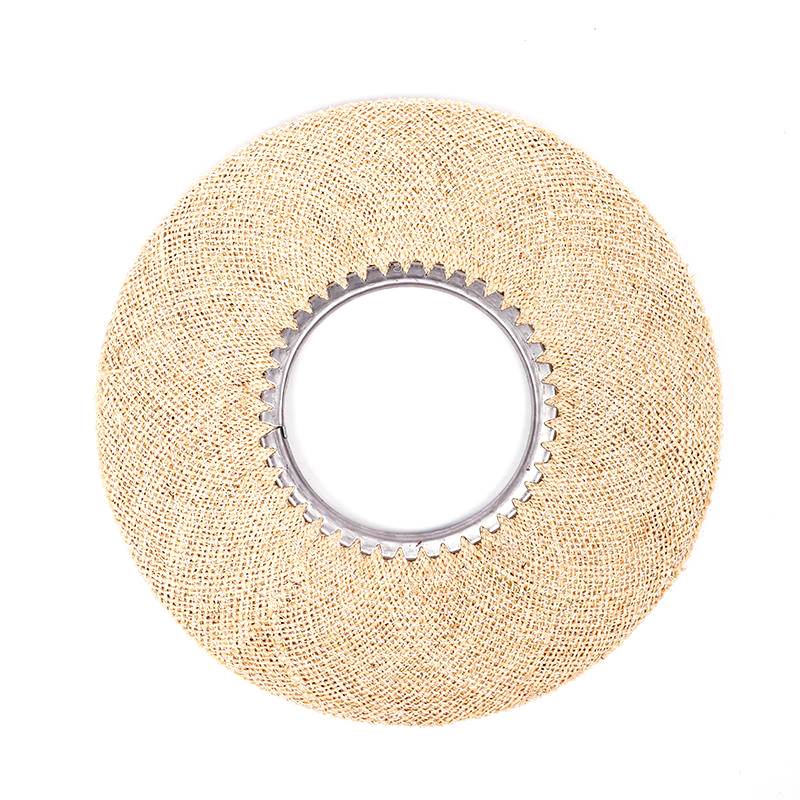
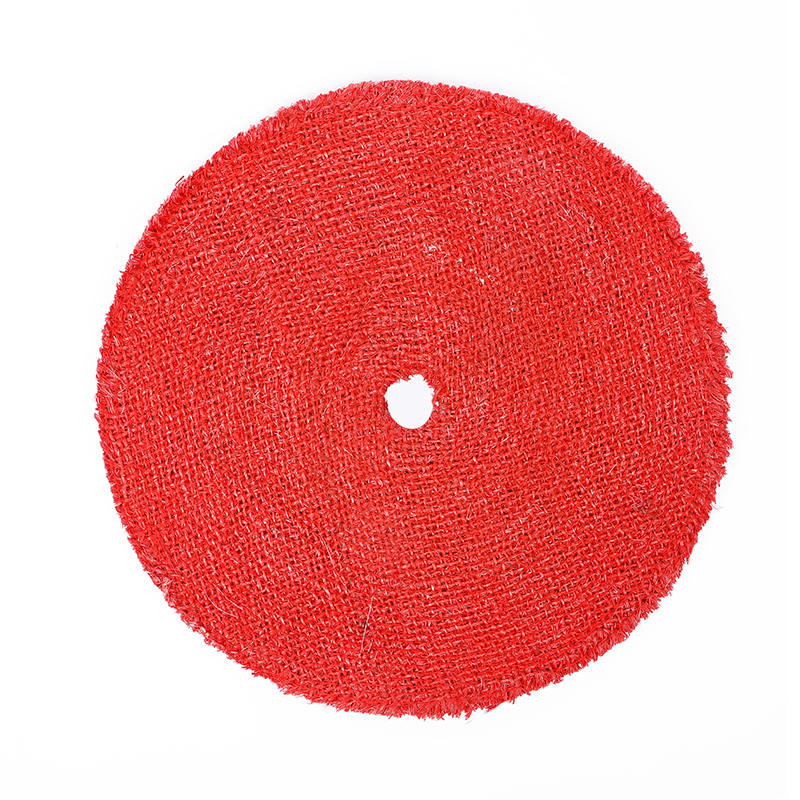
The construction of a sisal wheel directly determines its cutting aggressiveness, flexibility, and overall durability. Most commercially available sisal buffing wheels are built from multiple layers — commonly 11 plies — of woven or bias-cut sisal fabric stacked together and held in place by a spiral stitching pattern. This stitching is critical: the closer together the rows of stitching, the stiffer the wheel becomes, resulting in a more aggressive and precise cutting action. Standard commercial wheels typically feature a quarter-inch (approximately 6 mm) stitch separation, which provides a reliable balance between rigidity and compound retention.
Several stitching patterns are available depending on the intended application:
- Concentric stitching — circular rows running parallel to the wheel's outer edge, providing uniform stiffness across the face.
- Straight spoke stitching — radial lines from center to edge, offering a slightly more flexible profile.
- Radial arc stitching — a curved spoke design that distributes stress more evenly and reduces fraying during high-speed operation.
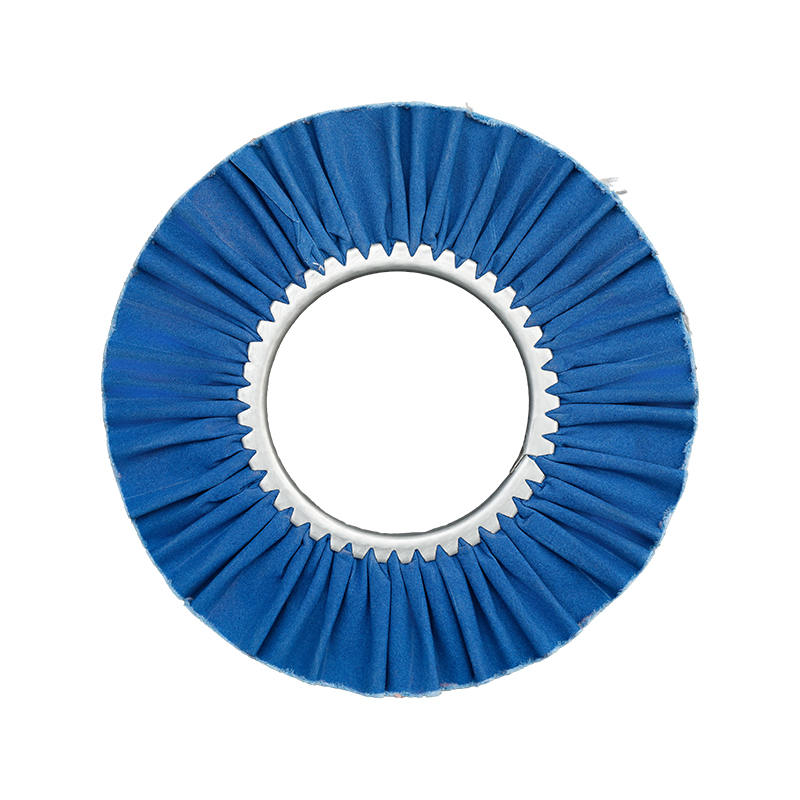
Many sisal wheels also incorporate a thin outer layer of cotton or muslin cloth. This cover serves a practical purpose: it prevents the rough sisal edges from inadvertently scratching surfaces adjacent to the buffing zone, allowing operators to work closer to flanges, edges, and complex geometries without leaving unintended marks.
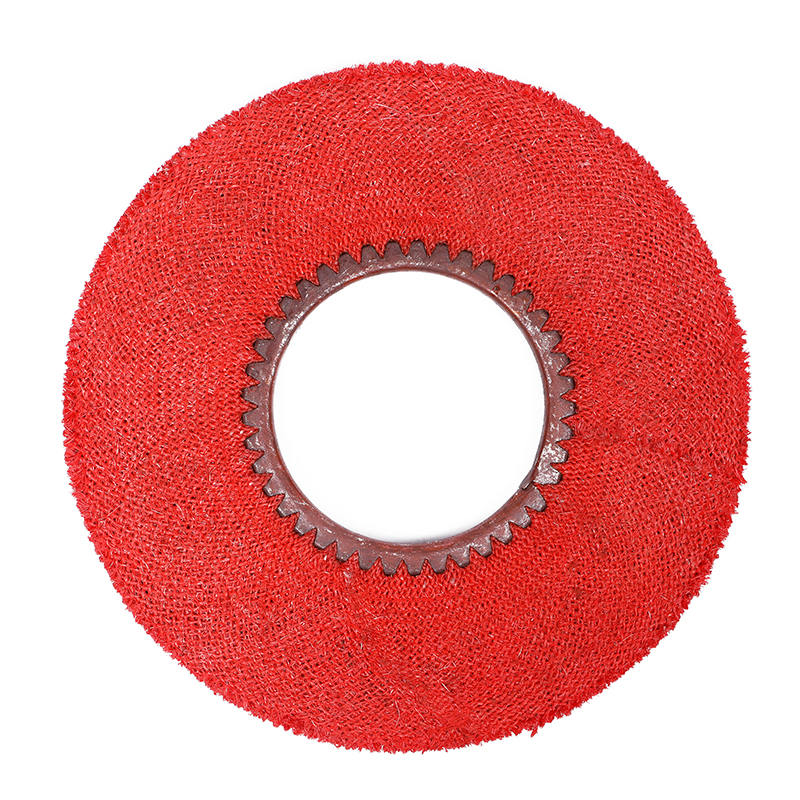
Beyond construction, sisal wheels are frequently available in two treatment states: untreated (dry) and chemically treated (dip-treated). Treated wheels are impregnated with a hardening agent — often color-coded to indicate treatment intensity (blue, orange, pink, green, or red depending on the manufacturer's grading system). Treatment increases surface hardness, enhances compound adhesion, extends the wheel's working life, and accelerates cutting speed. For demanding industrial applications involving harder metals and high production volumes, treated sisal wheels are strongly recommended over their untreated counterparts.
What Is a Sisal Wheel Used For? Core Industrial Applications
The primary function of a sisal wheel is cut-down buffing — the first stage of a multi-step metal polishing sequence in which the goal is surface material removal rather than final shine. This makes sisal wheels an essential tool in fabrication shops, stamping plants, foundries, and any manufacturing environment that processes metal parts before plating, coating, or mirror finishing.
Specific surface defects that sisal wheels are designed to address include:
- Scratches up to 400 grit — deep abrasion lines left by grinding wheels, belt sanders, or coarse abrasive pads.
- Stretcher strains — elongated surface stress marks produced during deep drawing or stamping operations.
- Orange peel texture — a rough, bumpy surface pattern resulting from sheet metal forming or uneven material flow.
- Light die marks — tool impressions left on the workpiece surface during forging, stamping, or extrusion.
- Machine tool marks and grinding wheel grit lines — especially prevalent on forged or machined parts.
- Abrasive belt lines — parallel scratch patterns left by belt-grinding equipment during earlier processing stages.
In many production environments, sisal buffing wheels offer a significant workflow advantage. Because they provide both polishing and cutting action simultaneously, they can reduce or entirely eliminate the need for fine-grit set-up polishing wheel operations. For roll-formed, drawn, and stamped metals in particular, sisal wheels can complete cutting and initial finishing in a single pass — reducing cycle time and the number of wheel changes required on the production line.
Hard Metal Applications
Sisal wheels perform best on hard metals where their stiffness and aggressive cutting character are most beneficial. Key application metals include:
- Stainless steel (all common grades)
- Carbon steel and mild steel
- Cast iron and wrought iron
- Nickel alloys and chrome alloys
- Hardened or heat-treated steel components
Soft Metal Applications
With appropriate compound selection and reduced operating pressure, sisal wheels can also be used for the initial polishing stage on softer metals, including aluminum, brass, copper, silver, and gold. However, operators should exercise care: because sisal wheels are significantly stiffer than cloth alternatives, they are not suitable for the final color-buffing stage on soft metals, where a finer, more flexible wheel is required to achieve high-luster results.
Sisal Wheel vs. Other Buffing Wheel Types: A Practical Comparison
Choosing the right buffing wheel for each stage of metal finishing requires a clear understanding of how sisal compares to the alternatives. The table below summarizes the key differences:
| Wheel Type | Material | Stiffness | Primary Stage | Best For |
|---|---|---|---|---|
| Sisal Wheel | Sisal fiber (natural agave) | High | Cut-down / initial buffing | Stainless steel, iron, hard alloys |
| Spiral Sewn Cotton | Cotton muslin | Medium | Intermediate cutting & smoothing | Steel, aluminum, brass |
| Loose Fold Cotton | Soft cotton | Low | Final color buffing | All metals, final mirror finish |
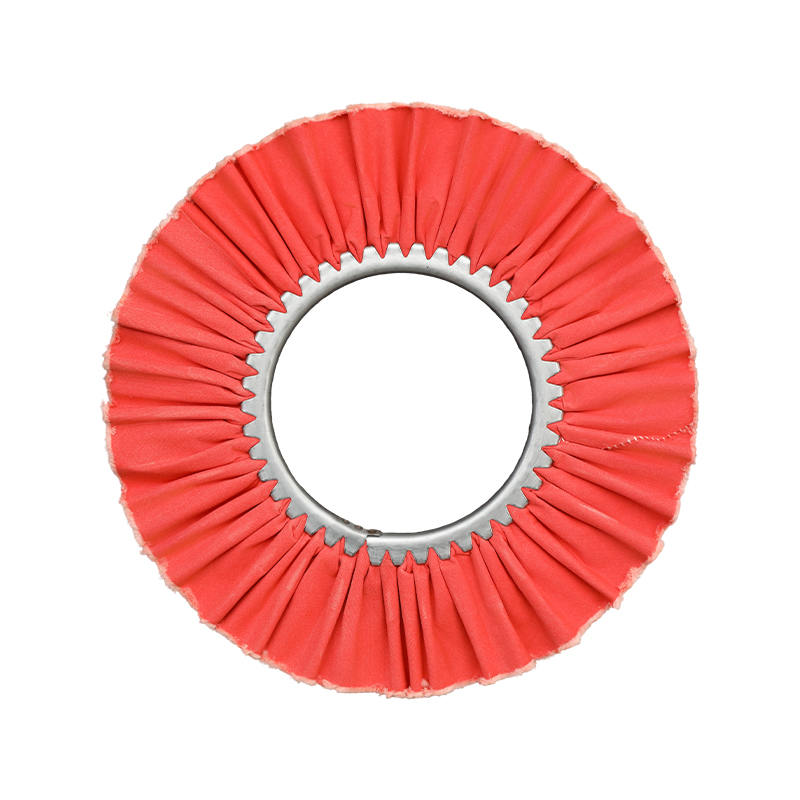
| Airway / Ventilated | Cotton with air channels | Medium-High | Edge buffing on large panels | Extended runs on large flat surfaces |
| Sisal-Cotton Blend | Sisal core + cotton cover | Medium-High | Combined cut and preliminary finish | Stampings prior to plating |
In a typical multi-stage stainless steel polishing sequence — for example, preparing kitchen equipment, architectural hardware, or industrial pipe fittings for a mirror finish — the workflow commonly begins with a sisal wheel loaded with black emery compound to remove scratches and grinding lines, progresses to a spiral-sewn cotton wheel with white compound for intermediate smoothing, and concludes with a loose-fold cotton wheel loaded with green rouge or white compound for final color and luster. Skipping the sisal cut-down stage often means residual surface defects reappear through subsequent finishing layers, making the entire process less efficient.
Choosing the Right Buffing Compound for a Sisal Wheel
A sisal wheel without the correct buffing compound delivers only a fraction of its potential. The compound acts as the active cutting agent, while the sisal wheel provides the mechanical force and distribution medium. Pairing them correctly is essential for consistent, repeatable results.
Black Emery Compound
Black emery (also called black magic) compound is the standard pairing for sisal wheels on hard metals. It contains fine emery abrasive particles suspended in a grease binder, providing fast cutting action that removes scratches, oxidation, and deep surface marks from stainless steel and iron efficiently. When using black emery with a sisal wheel, compound should be re-applied to the rotating wheel approximately every 30 to 60 seconds of continuous operation to maintain consistent cutting performance.
Grey Compound
Grey compound is another solid choice for hard metal cut-down work on sisal wheels, particularly when the operator needs slightly less aggressive action than black emery — for instance, when working on lighter surface scratches or thinner-gauge steel where material removal must be controlled more carefully.
Brown Tripoli Compound
For sisal wheel applications on soft metals such as aluminum, brass, and copper, brown tripoli compound is the recommended choice. Tripoli's finer abrasive grade is more appropriate for these materials, reducing the risk of excessive material removal or surface gouging while still providing sufficient cutting action to level light imperfections.
One important practice: dedicate each sisal wheel to a single type of compound. Cross-contaminating wheels with different compounds can introduce inconsistent abrasion and leave unexpected marks on your workpiece. Marking each wheel with its designated compound using a permanent marker is a simple but highly effective shop discipline.
How to Select the Right Sisal Wheel Size and Specification
Selecting the correct sisal wheel for your application involves evaluating several interdependent factors. Getting this right from the outset prevents poor surface results, excessive wheel wear, and potential safety issues during operation.
- Wheel Diameter: Common commercially available sizes range from 2 inches to 20 inches in diameter. Smaller wheels (6–8 inch) are suited to bench grinders and bench polishers for precision or small-part work. Larger wheels (10–20 inch) are mounted on industrial buffing machines and are used for high-throughput processing of larger workpieces such as bars, tubes, fittings, and sheet metal panels.
- Arbor Hole Size: Always verify that the wheel's arbor hole matches the spindle diameter of your machine. Standard sizes include 1/2 inch, 5/8 inch, and 3/4 inch. A mismatched arbor fit can cause dangerous wheel wobble during operation.
- Ply Count and Thickness: Standard sisal wheels are 11-ply with an approximate face thickness of 1/2 inch (12.5 mm) per section. For applications requiring a wider face, individual sections can be ganged together on the arbor shaft to achieve the desired overall width.
- Maximum RPM Rating: Always operate within the wheel's rated maximum speed. For example, a 6-inch sisal buff is typically rated up to 2,700 RPM, while an 8-inch version may be rated up to 3,200 RPM. Exceeding these limits can cause the wheel to delaminate or disintegrate at speed — a serious safety hazard.
- Treatment Level: For aggressive cut-down on hard metals in production environments, choose a hard dip-treated sisal wheel. For lighter initial polishing on softer metals or smaller batch work, an untreated (dry) sisal wheel may be sufficient.
- Full Disc vs. Bias Section: Full disc sisal wheels (made from complete circular layers) provide a harder, more aggressive face suited to heavy cut-down. Bias-cut section wheels — constructed from strips of sisal wound on a center hub — offer greater flexibility and a softer cut, making them preferable for contoured or complex-profile workpieces.
Operating Safety and Best Practices for Sisal Wheel Use
Sisal buffing wheels operate at high speeds and generate significant friction heat. Following proper safety and operational procedures protects both the operator and the quality of the finished workpiece.
- Wear appropriate PPE: Safety glasses or a face shield, heavy work gloves, and a dust mask or respirator should be worn at all times during buffing operations. Polishing compound particles and sisal fiber dust become airborne during use.
- Dress the wheel before first use: New sisal wheels — especially treated variants — should be raked or dressed with a wheel rake before initial use. This opens up the fibers, removes loose material, and ensures the wheel loads compound evenly from the first contact.
- Rake regularly between uses: After extended use, compound builds up, hardens, and glazes the wheel face. Regular raking removes hardened compound residue and restores the wheel's cutting efficiency. Neglecting this step is one of the most common reasons operators experience inconsistent buffing results.
- Apply compound at intervals: As noted above, reapply compound to the wheel every 30 to 60 seconds during continuous operation. Allow the wheel to spin before pressing it against the workpiece to confirm even compound distribution.
- Never exceed the wheel's rated RPM: Always verify the machine speed against the wheel's maximum operating speed before mounting. Use a self-centering safety flange set for airway-style sisal wheels to prevent delamination.
- Store wheels properly: Keep unused sisal wheels in a cool, dry environment away from direct sunlight and moisture. Prolonged exposure to humidity can weaken the sisal fibers and cause treated wheels to lose their impregnation hardness over time.
Typical Industries and Products Where Sisal Wheels Are Commonly Used
Sisal buffing wheels are found across a wide range of industries wherever metal surfaces require pre-polishing before plating, coating, anodizing, or final inspection. The following overview highlights the most common industrial contexts:
Stainless Steel Fabrication
Kitchen equipment, food processing machinery, catering hardware, handrails, and architectural fittings all require high-quality surface finishes. Sisal wheels are routinely used as the first polishing step after grinding or welding, removing weld seam marks, scale, and abrasive lines before the workpiece moves through intermediate and final finishing stages.
Automotive Parts and Accessories
Chrome and nickel-plated automotive components — including trim pieces, wheel covers, exhaust tips, and engine brackets — require thorough surface preparation before electroplating. Sisal wheels remove die marks, tool lines, and stamping imperfections from ferrous and non-ferrous blanks, ensuring the base metal surface is clean and uniform enough for plating adhesion.
Hardware and Fasteners
Bolts, nuts, handles, hinges, locks, and other precision hardware components are frequently buffed with sisal wheels during finishing. The wheel's ability to handle small, irregular geometries — particularly when used in ganged configurations on automated polishing lines — makes it well suited to high-volume hardware production.
Industrial Pipe and Tube Finishing
Stainless steel pipes and tubes used in pharmaceutical, dairy, and chemical processing industries must meet stringent surface finish standards. Sisal wheels are used to remove longitudinal grinding lines and roll marks before the tube surface is taken to the specified Ra (surface roughness) value required by industry standards.
Jewelry and Decorative Metalwork
In precious metal and costume jewelry production, smaller-diameter sisal wheels are used to remove tool marks and surface scratches from cast, stamped, or fabricated pieces before the application of final rouge polishing. For silver and gold, untreated sisal wheels paired with tripoli compound provide a controlled cut that does not overly stress the softer base metal.
How to Get the Best Results from Your Sisal Wheel: A Step-by-Step Workflow
For operators new to sisal buffing or looking to optimize an existing process, the following step-by-step workflow provides a reliable framework for consistent results on hard metal workpieces:
- Surface preparation: If the workpiece has deep scratches or grinding marks, sand progressively from 120 grit through 220 grit and up to 320–400 grit before introducing the sisal wheel. The sisal cut-down stage works most efficiently when the incoming scratch depth is manageable.
- Mount and inspect the wheel: Verify arbor fit, confirm the wheel is securely mounted with appropriate flanges, and check the wheel face for any damage or uneven wear before switching on the machine.
- Dress or rake the wheel: Apply a wheel rake to the spinning wheel face for several seconds before loading compound, especially on new or previously used wheels.
- Load compound: With the wheel spinning, press the appropriate compound bar (black emery for hard metals) firmly against the wheel face for two to three seconds to load an even coat.
- Buff the workpiece: Apply the workpiece to the lower quadrant of the spinning wheel face with steady, consistent pressure. Move the part across the wheel face in long, overlapping strokes. Avoid dwelling in one spot, as concentrated heat can discolor or warp the metal surface.
- Reapply compound regularly: Every 30 to 60 seconds, remove the workpiece briefly and reload compound to maintain cutting efficiency.
- Inspect and proceed to the next stage: Once all target imperfections are removed and the surface shows a uniform satin texture, clean the workpiece with a solvent wipe and advance to the next wheel stage (typically a spiral-sewn cotton wheel with white or grey compound).
Following this systematic approach ensures that each subsequent polishing stage builds correctly on the foundation established by the sisal wheel, ultimately delivering a cleaner, faster, and more cost-effective path to the final surface finish.
Frequently Asked Questions About Sisal Wheels
Can a sisal wheel be used on wood or plastic?
Sisal wheels are designed and optimized for metal surfaces and are not recommended for wood or most plastics. Their aggressive cutting action and the heat generated during high-speed operation can scorch wood or melt or deform thermoplastic surfaces. For finishing wood or plastic, softer cloth wheels or purpose-made polishing pads are more appropriate.
How long does a sisal buffing wheel last?
Service life depends heavily on operating speed, applied pressure, material being buffed, and maintenance frequency. Treated sisal wheels that are raked regularly and operated within their rated speed generally outlast untreated wheels significantly. Full disc sisal wheels also offer an economic advantage in that they can be used down to the arbor hole before replacement is needed, maximizing material utilization.
Should I use a sisal wheel or an abrasive flap wheel for cut-down?
Abrasive flap wheels are better suited for heavy stock removal on irregular surfaces, while sisal buffing wheels excel at the intermediate cut-down stage — blending out scratches and surface marks after initial grinding and before final polishing. For workpieces that require a controlled, even surface preparation across a uniform face, a sisal wheel loaded with emery compound will generally deliver more consistent results than a flap wheel at equivalent stages of the process.
Is a treated sisal wheel always better than an untreated one?
Not necessarily — it depends on the application. Hard-treated sisal wheels provide faster cutting and longer life for high-volume industrial use on hard metals. However, for lighter applications, batch work, or initial polishing on soft metals, an untreated (dry) sisal wheel may deliver a more controllable result with less risk of over-cutting. The key is to match the treatment level to the hardness of the material and the depth of the surface defects being addressed.
Conclusion: Why the Sisal Wheel Remains Indispensable in Metal Finishing
Despite the continuous advancement of automated grinding and robotic polishing systems, the sisal buffing wheel remains a foundational tool in metal surface finishing because no other consumable combines its level of cutting aggression, natural fiber durability, and compound-holding capacity in a single, cost-effective package. Its role as the first stage of a multi-step polishing process is irreplaceable — it sets the surface quality baseline that every subsequent stage builds upon.
For procurement professionals, shop supervisors, and metalworking operators, the practical takeaway is straightforward: invest in quality sisal wheels that are appropriately specified for your metals and machines, pair them with the correct buffing compounds, maintain them with regular raking, and operate them within their rated parameters. Doing so will reduce total polishing consumable costs, improve surface finish consistency, and shorten overall cycle times across your production line.
When sourcing sisal buffing wheels for industrial or high-volume applications, look for suppliers who offer a complete range of specifications — from untreated dry wheels for light-duty work to hard dip-treated variants for demanding stainless steel and iron applications — and who can provide consistent product quality across production batches. Consistent fiber density, uniform stitching quality, and reliable treatment hardness are the factors that separate a productive sisal wheel from one that creates more problems than it solves.